
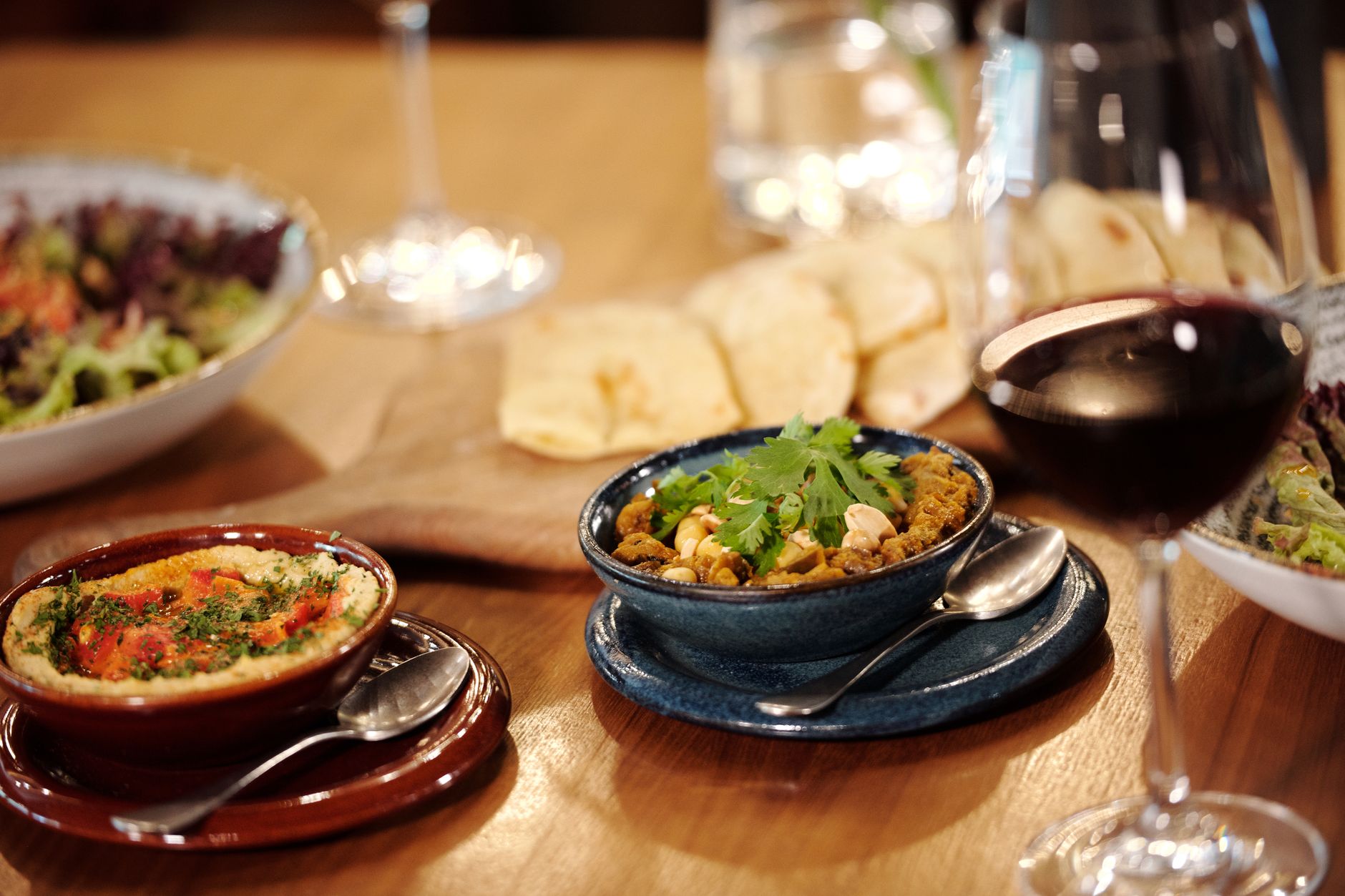
The Food and Wine Festival is a beloved event for culinary enthusiasts, offering a unique experience filled with delightful flavors and exquisite pairings. As this festival draws many food lovers, it raises a common question: when does the Food and Wine Festival end? Understanding the festival’s schedule is important for planning your visit, whether you are looking to indulge in gourmet dining, attend cooking demonstrations, or simply enjoy the vibrant atmosphere.
In this article, we’ll explore not only the end dates of various Food and Wine Festivals but also provide insights on what to expect, what activities to enjoy, and how to navigate these exciting events. This comprehensive guide will equip you with all you need to know to make your festival experience memorable.
When Does the Food and Wine Festival End?
The specific end date of a Food and Wine Festival can vary significantly depending on the location. For example, the Disneyland Food and Wine Festival typically ends in mid-April, while the Epcot International Food and Wine Festival runs from late summer to early fall, concluding in late November. It’s essential to check the website of the particular festival you are interested in visiting for the most accurate and up-to-date information.
Understanding Different Food and Wine Festivals
Food and Wine Festivals are held across the globe, each offering unique local flavors, cooking styles, and culinary traditions. Below, we’ll look at several notable festivals to give you a better idea of their schedules and highlights.
1. Epcot International Food and Wine Festival (Walt Disney World, Florida)
This festival is one of the most popular events at Walt Disney World, running for 87 days, typically from mid-August to late November. The festival features hundreds of food and wine pairings, artist showcases, and cultural activities.
2. Disneyland Food and Wine Festival (California)
This festival usually takes place for around a month, typically starting in early March and concluding in mid-April. It features entertainment, cooking demonstrations, tastings, and special events aimed at highlighting California’s vibrant culinary scene.
3. New York City Wine & Food Festival (New York)
This four-day festival in late October brings together top chefs, culinary personalities, and food lovers. It offers tastings, cooking demonstrations, and exclusive events, showcasing the diverse food culture of New York City.
4. Aspen Food and Wine Classic (Aspen, Colorado)
This prestigious festival occurs every June, showcasing the best in food and wine through tastings, educational seminars, and cooking demonstrations led by renowned chefs and winemakers. The event spans several days, creating an engaging community experience.
5. Taste of Chicago (Illinois)
Although not a traditional food and wine festival, Taste of Chicago occurs every summer, featuring culinary staples from over 70 local restaurants. This week-long event typically runs in early July and ends with a spectacular fireworks show.
What to Expect at Food and Wine Festivals
Attending a Food and Wine Festival provides a multitude of experiences that go beyond simply dining. Here’s a breakdown of what you can expect during such events.
1. Culinary Tastings
Get ready to sample a variety of delicious dishes and wine selections from local and internationally acclaimed chefs. From savory bites to sweet treats, the culinary tastings allow you to experience new flavors and techniques.
2. Cooking Demonstrations
Most festivals include cooking demonstrations led by expert chefs. These sessions often provide useful tips and techniques, championing the skills needed to create culinary masterpieces at home.
3. Mixology Experiences
In addition to food, many festivals feature cocktail workshops that delve into the art of mixology, offering insights into crafting signature cocktails. Attendees may learn how to shake, stir, and garnish like a pro.
4. Interactive Workshops
Various festivals also host interactive workshops where guests can participate in hands-on cooking lessons or food pairings, allowing for a more immersive experience.
5. Local Vendors
Food and Wine Festivals typically showcase local vendors, providing an opportunity to discover hidden gems, artisanal products, and unique culinary creations from different regions.
Planning Your Visit
To make the most of your experience at a Food and Wine Festival, planning is key. Here are some essential tips to help you navigate the event smoothly.
1. Check the Schedule
Review the festival’s website for the schedule of events, including special demonstrations, tastings, and performance timings. This allows you to prioritize the events you don’t want to miss.
2. Purchase Tickets in Advance
Many festivals offer early bird pricing for tickets purchased ahead of time. Securing your tickets early can not only save money but also ensure entry to most coveted sessions.
3. Create a Game Plan
With so many offerings, creating a game plan for your visit can help prioritize your time. List the must-try dishes and drinks, along with important events you want to attend.
4. Wear Comfortable Clothing
Festivals often require a lot of walking and standing. Wear comfortable clothing and shoes to ensure maximum enjoyment without any discomfort.
5. Stay Hydrated
While you may get caught up in tasting food and wine, remember to drink plenty of water throughout the day to stay refreshed.
Exploring Flavor Combinations
As you experience different food and wine pairings at the festival, it’s a perfect opportunity to explore flavor combinations that complement each other. Understanding these combinations can enhance your overall culinary skills. Here are some classic pairings.
1. Cheese and Wine
Different types of cheese pair beautifully with various wines. For example, a bold Cabernet Sauvignon complements aged cheddar, while a creamy Brie pairs well with a light Chardonnay.
2. Seafood and White Wine
Seafood is well complemented by white wines such as Sauvignon Blanc or Pinot Grigio. The acidity in these wines enhances the freshness of the fish, creating an exquisite balance of flavors.
3. Chocolate and Red Wine
Dark chocolate pair nicely with robust red wines such as Merlot or Cabernet Sauvignon. The rich flavors in chocolate can help bring out the complex notes in the wine.
4. Spicy Food and Off-Dry Wines
Spicy dishes are often better paired with off-dry wines, such as Riesling or Gewürztraminer. The sweetness in these wines can counterbalance the heat of spicy food.
5. Grilled Meats and Bold Wines
Grilled meats, especially those with charred flavors, work well with bold reds like Zinfandel or Syrah, which can enhance the smokiness and richness of the dish.
Common Mistakes to Avoid
While Food and Wine Festivals are designed to celebrate culinary artistry, there are some common mistakes you may want to avoid to ensure an enjoyable experience.
1. Trying Too Many Items
It’s easy to get carried away and sample too many dishes. Be strategic about what you try to avoid overwhelming your palate and missing out on those stand-out tastes.
2. Ignoring Portion Sizes
Some dishes are served in larger portions than others. Paying attention to portion sizes can help you enjoy more variety without feeling overstuffed.
3. Forgetting to Ask Questions
Don’t hesitate to ask vendors about the dishes or drinks being offered. Inquire about ingredients, preparation methods, and flavor profiles to enhance your tasting experience.
4. Skipping Water Breaks
Festival days can become lengthy, so don’t forget to take breaks and hydrate. Sipping water in between tastings will keep your palate fresh.
5. Not Planning Your Budget
Food and Wine Festivals can come with costs that stack up quickly. Clearly outline your budget before attending, with a little wiggle room for those unanticipated delicious indulgences.
Cooking Techniques to Try at Home
Inspired by the flavors and cooking methods encountered at Food and Wine Festivals, you may wish to try out some new cooking techniques at home. Here are a few to consider.
1. Sous Vide Cooking
Sous vide is a method of cooking food in a vacuum-sealed bag in a water bath at a precise temperature. This technique can help achieve perfect doneness while retaining moisture and flavor.
2. Grilling Techniques
Explore direct and indirect grilling methods to master the art of grilling meats and vegetables. Experimenting with marinades and rubs can help elevate grilled dishes to festival-like status.
3. Fermentation
Fermentation adds depth and complexity to food. Consider fermenting vegetables, making kimchi, or brewing your own yogurt for a probiotic boost in your diet.
4. Curing and Smoking
Try curing meats or smoking fish to achieve rich flavors and preserved dishes. This method can be particularly gratifying for home cooks and intriguing for gatherings.
5. Pickling
Pickling not only preserves vegetables but also introduces a delightful acidity and crunch to meals. Use various vinegars and spices to develop pickled creations to accompany your dishes.
Make the Most of Your Food and Wine Festival Experience
To wrap up our guide, attending a Food and Wine Festival can be a remarkable opportunity to indulge in culinary delights, learn from top chefs, and engage with the local culinary culture. Knowing the festival schedules, what to expect, and how to plan your visit will ensure a fulfilling experience. Just remember to take your time, savor the flavors, and enjoy every moment.
So, mark your calendars with the end dates of your chosen festival and prepare yourself for a delightful culinary adventure ahead. Explore flavors, discover new culinary techniques, and, most importantly, have fun!
If you’re interested in exploring more food-related content, feel free to look for cooking tips and guides, recipe ideas, or meal-planning strategies. Your next culinary adventure awaits!