
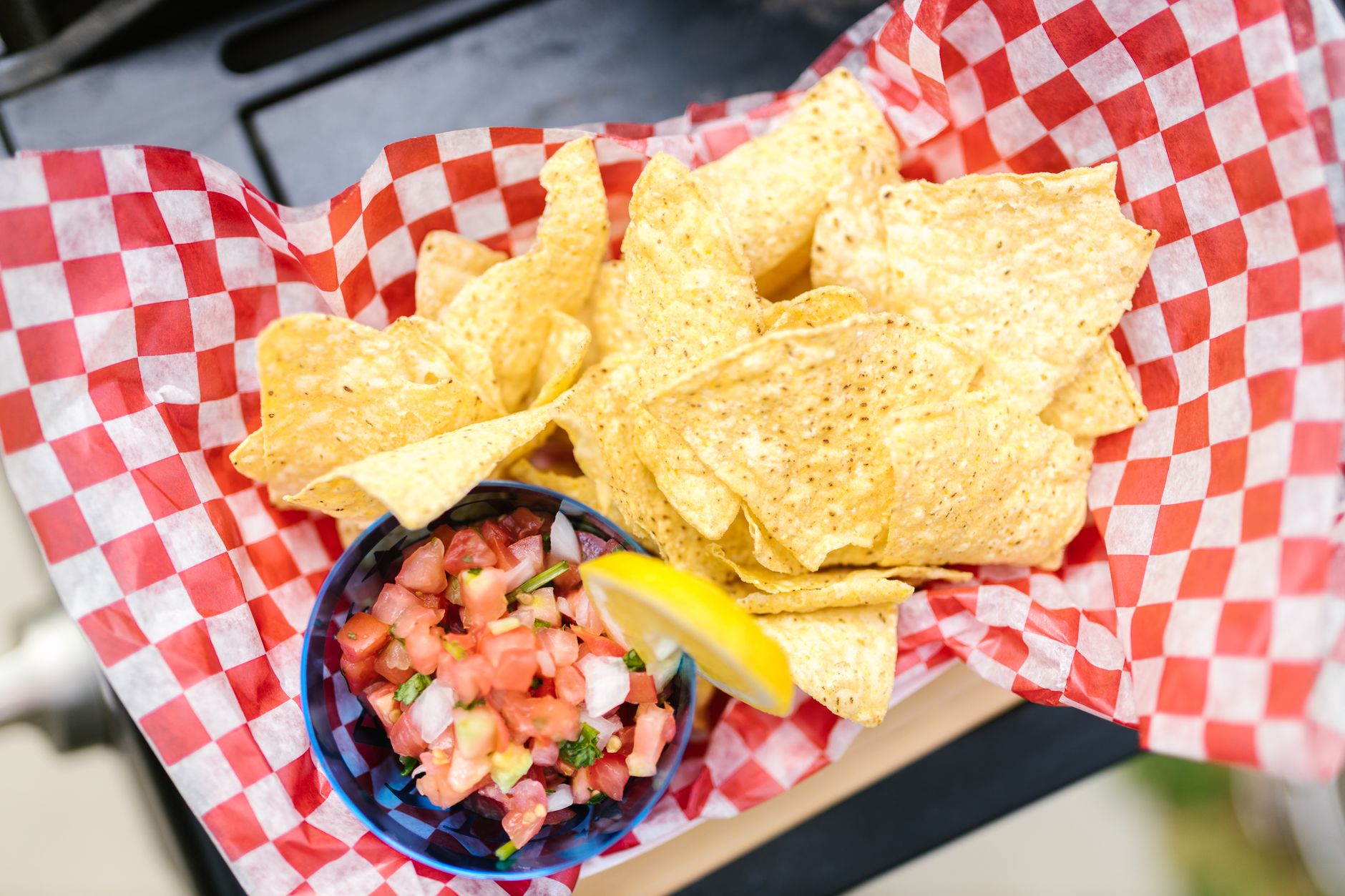
Pico de gallo is a fresh, versatile salsa that originates from Mexico, often used to complement a variety of dishes. Known for its vibrant flavors and chunky texture, pico de gallo is a staple at barbecues, fiestas, and casual meals alike. Interested in making your own? Let’s explore what goes into pico de gallo and how to create it perfectly.
Made primarily with fresh ingredients, pico de gallo captures the essence of Mexican cuisine. Its bright flavors come from a combination of juicy tomatoes, crisp onions, zesty lime, and fresh herbs. This article will detail the essential ingredients, tips for preparation, serving suggestions, and much more.
What Goes in Pico De Gallo?
The primary ingredients in pico de gallo include fresh tomatoes, onions, jalapeños, lime juice, and cilantro. Together, these components create a refreshing and flavorful condiment or side dish that’s perfect for tacos, grilled meats, or simply with tortilla chips. Let’s break down each ingredient and its role in this classic salsa.
Essential Ingredients of Pico De Gallo
- Tomatoes: The star ingredient, tomatoes provide the base and bulk of pico de gallo. Choose ripe, juicy tomatoes for the best flavor, such as Roma or vine-ripened tomatoes.
- Onions: Typically, white or red onions are used, adding a sharpness to the salsa. Properly dicing the onions enhances the overall taste.
- Jalapeños: These peppers add heat, but their spice level can vary. Adjust the amount based on your heat preference.
- Cilantro: Fresh cilantro contributes a distinct herbal aroma and brightness, balancing the flavors. If you’re not a fan, you can omit it or substitute with parsley.
- Lime Juice: Freshly squeezed lime juice adds acidity, brightening the flavors and preserving the ingredients’ freshness.
- Salt: Enhances and balances all the flavors in the pico de gallo, ensuring every bite is flavorful.
The Preparation Process
- Gather Your Ingredients: Ensure you have all the fresh components mentioned above. Quality ingredients make for a superior pico de gallo.
- Prep the Tomatoes: Rinse and dry the tomatoes. Cut them in half, remove the seeds if desired, and then finely dice. If using Roma tomatoes, the flesh is thicker, making them ideal for salsa.
- Dice the Onions: Peel the onion and chop it finely. Red onions impart a milder flavor, while white onions offer a sharper taste. Choose according to your preference.
- Chop the Jalapeños: Wear gloves to prevent your hands from getting too spicy. Remove the stem and seeds if you prefer less heat, then finely dice the jalapeños.
- Mix the Ingredients: In a mixing bowl, combine the diced tomatoes, onions, jalapeños, and chopped cilantro. Use a gentle folding motion to keep the mixture chunky.
- Add Lime Juice and Salt: Squeeze fresh lime juice over the mixture and sprinkle salt to taste, helping to combine the flavors. Adjust lime and salt based on your preferences.
- Taste Test: Before serving, taste your pico de gallo. Adjust the salt or lime juice as necessary to achieve your desired flavor.
Common Mistakes and Troubleshooting
While pico de gallo is a simple recipe, certain pitfalls can affect the final product:
- Overly Ripe or Underripe Tomatoes: Choose tomatoes that are ripe but firm. Overripe tomatoes make the salsa mushy, while underripe ones lack flavor.
- Too Much Heat: If your pico de gallo ends up too spicy, balance it with additional diced tomatoes or avocado to mellow the heat.
- Excessive Liquid: If your pico de gallo is too watery, let it rest for a few minutes in a strainer to remove excess moisture before serving.
Practical Substitutions and Variations
While the traditional pico de gallo is beloved, variations and substitutions can offer a new twist:
- Using Different Tomatoes: Substitute cherry tomatoes for a sweeter taste. Simply halve them and proceed as usual.
- Switching Peppers: For a different flavor, try using serrano or poblano peppers instead of jalapeños. Adjust quantities based on desired heat.
- Adding Fruits: Incorporate diced mango or pineapple for a sweet and vibrant twist, especially in summer!
- Omitting Onion and Cilantro: If allergies or strong preferences exist, feel free to omit these ingredients without compromising the essence of pico de gallo.
Serving Suggestions for Pico De Gallo
Pico de gallo’s versatility allows it to shine with a multitude of dishes:
- Tacos and Burritos: Serve as a fresh topping alongside grilled meats or veggies.
- Chips and Dips: Perfect for tortilla chips as a tasty appetizer or snack.
- Grilled Seafood: Top grilled shrimp or fish tacos for a refreshing flavor contrast.
- Breakfast Dishes: Pair with scrambled eggs, omelets, or breakfast burritos for a flavorful start to the day.
Make-Ahead Tips and Food Safety
Pico de gallo is best enjoyed the same day it’s made; however, it can be prepared in advance:
- Storage: Store unused pico de gallo in an airtight container in the refrigerator. It’s best consumed within 2-3 days for optimal freshness.
- Flavor Development: Allowing it to sit for an hour or two before serving helps the flavors meld, enhancing the overall taste.
- Food Safety: Always keep pico de gallo refrigerated to prevent bacteria growth, especially if it contains fresh lime juice and cut vegetables.
Enhancing Your Pico De Gallo
For a more unique take on pico de gallo, consider incorporating additional ingredients or flavors:
- Garlic: Mince a clove or two for a deeper flavor profile.
- Avocado: Add diced avocado for creaminess that pairs beautifully with the other ingredients.
- Olive Oil: A drizzle can add richness and depth to the mix.
- Spices: A pinch of cumin or smoked paprika can introduce an exciting new flavor layer.
Frequently Asked Questions About Pico De Gallo
Can I use canned tomatoes for pico de gallo?
While fresh tomatoes are preferred for their texture and flavor, canned tomatoes can be used in a pinch. Drain and rinse them thoroughly to remove excess liquid before dicing.
How do I prevent my pico de gallo from getting watery?
To avoid excess liquid, drain the diced tomatoes and onions before mixing. Dicing ingredients into uniform, small pieces helps maintain a better consistency.
How spicy is pico de gallo? Can I adjust it?
The spiciness largely depends on the amount of jalapeños used. To reduce the heat, remove the seeds and membranes inside the peppers, or simply omit them altogether.
Exploring Related Salsas
If you enjoy pico de gallo, you may also want to try other salsa varieties. Habanero salsa, made with fiery habanero peppers, offers a bold alternative. Or explore chili salsa for a smoky, rich flavor profile. Both salsas make excellent companions to your favorite dishes.
Making pico de gallo is a straightforward process that yields fresh, delightful results. By using high-quality ingredients and following these guidelines, you can create a perfect batch for any occasion. Don’t hesitate to experiment and customize it to your personal taste! Now gather your ingredients, and enjoy the vibrant flavors of this classic Mexican salsa!
For more great recipes and cooking tips, explore our guides on habanero salsa and chili salsa.