
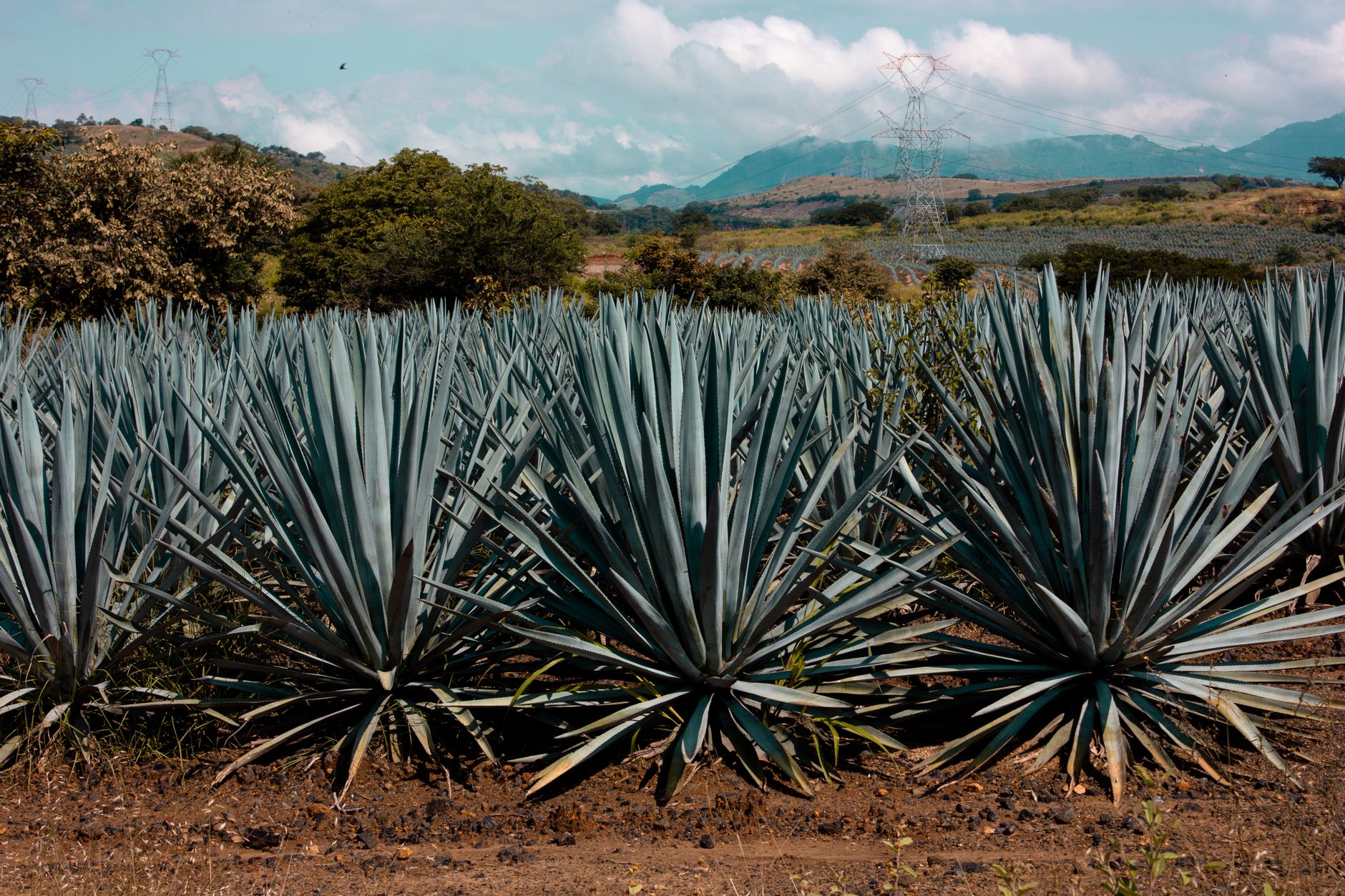
Blue agave syrup, often referred to as agave nectar, is a natural sweetener derived from the blue agave plant, primarily found in Mexico. Its unique flavor profile and versatility make it a popular choice among those seeking alternatives to traditional sugars.
This syrup varies in color, taste, and texture, depending on its processing method. Understanding what blue agave syrup is can help you incorporate it into your cooking and baking, as well as substitute it effectively for other sweeteners.
What Is Blue Agave Syrup?
Blue agave syrup is a sweetener made from the sap of the blue agave plant, also known as Agave tequilana. The plant is well-known for being the primary ingredient in tequila, but its sap also offers a sweet taste that can be used in various culinary applications. Generally, blue agave syrup is processed to produce a clear or light amber syrup that is sweeter than honey and has a lower glycemic index compared to regular sugar.
The syrup is made by extracting the juice from the heart of the blue agave plant and then heating it to convert the natural sugars into a syrup. This process results in a thick, viscous liquid that retains a slight flavor of the agave plant, which can be described as mild, with hints of caramel.
Taste Profile of Blue Agave Syrup
The flavor of blue agave syrup is often described as sweet and syrupy, with a subtle earthy note. The sweetness is comparable to that of honey but without the strong floral undertones. This makes it suitable for both sweet and savory dishes. The syrup has a light texture that flows easily, which can influence how it interacts with other ingredients in recipes.
Texture of Blue Agave Syrup
When it comes to texture, blue agave syrup is thick and sticky, similar to that of honey but usually less viscous. This quality makes it easy to pour and blend into various mixtures, such as sauces, dressings, and batters. Additionally, it does not crystallize like granulated sugars, which can be an advantage when used in certain recipes.
Kitchen Uses of Blue Agave Syrup
Blue agave syrup can be utilized in many ways in the kitchen. Here are some popular uses and ideas:
Baking
When substituting blue agave syrup for granulated sugar in baking, it’s essential to consider its liquid form. A general rule is to reduce the amount of liquid in your recipe by about one-quarter for every cup of agave syrup used. Blue agave syrup works well in cookies, cakes, and muffins, adding moisture and sweetness without overpowering the other flavors.
Cooking and Sauces
Blue agave syrup can enhance the flavor of various sauces and marinades. For a simple BBQ sauce, mix blue agave syrup with soy sauce, garlic, and spices to create a unique glaze for grilled meats. Its sweetness pairs well with savory ingredients, providing balance to dishes.
Beverages
This syrup is an excellent sweetener for beverages, as it dissolves rapidly in cold liquids. You can add blue agave syrup to smoothies, iced teas, or cocktails for a touch of sweetness. Try using it in place of simple syrup in mixed drinks to enrich the flavor.
Desserts
Blue agave syrup can be drizzled over desserts like pancakes, waffles, or yogurt. It also works as a sweetener in homemade ice creams and sorbets, offering a light flavor that does not overwhelm. Consider using it in fruit compotes for an added layer of sweetness that complements the fresh flavors of the fruit.
Sweetening Dressings and Condiments
Make your own salad dressings by mixing blue agave syrup with vinegar, olive oil, and spices. Its ability to balance acidity makes it a perfect addition to vinaigrettes and marinades, enhancing the overall taste profile of your dishes.
Substituting Blue Agave Syrup
If you find yourself without blue agave syrup, there are several alternatives you can use, though each option will have differing flavors and sweetness levels. Here are some common substitutes:
- Honey: This is one of the closest substitutes, imparting a similar level of sweetness and texture. Use it in a 1:1 ratio, but note that honey has a distinct flavor.
- Maple syrup: Though it offers a more robust flavor, maple syrup can be used in equal measurements as a substitute.
- Brown rice syrup: This option is less sweet than blue agave syrup, so you may need to use more of it in recipes.
- Coconut sugar: A natural sweetener that can be used for a more complex flavor, though it will require different measurements due to its crystalline texture.
Where to Buy Blue Agave Syrup
Blue agave syrup can be purchased at most grocery stores, health food stores, and online marketplaces. Look for organic brands, which are often less processed and free from additives. Check the ingredient list to ensure you’re getting pure blue agave syrup without fillers or artificial ingredients.
How to Store Blue Agave Syrup
Storage of blue agave syrup is straightforward. Keep it in a cool, dry place, ideally in an airtight container. While it does not require refrigeration, storing it in colder temperatures can help maintain its consistency if desired. Once opened, it can typically last up to two years without significant degradation of taste or quality.
Common Mistakes with Blue Agave Syrup
When using blue agave syrup, there are a few common pitfalls to avoid:
- Over-sweetening: Since blue agave is sweeter than sugar, it’s essential to adjust the amount you use in recipes accordingly.
- Neglecting liquid ratios: Remember to reduce other liquids in your recipes when substituting agave syrup for sugar.
- Assuming it can be used as a 1:1 sugar substitute: When baking, it may work differently than granulated sugar due to its syrupy texture.
Health Considerations
While blue agave syrup is often marketed as a healthier alternative to refined sugar, it’s essential to consume it in moderation. Although it has a lower glycemic index, it is still a form of sugar high in fructose, which may affect insulin levels. Check packaging for specific nutritional values and ensure it fits within your dietary preferences.
Conclusion
Blue agave syrup is a versatile and tasty sweetener that can enhance many dishes and beverages. Its unique flavor profile, along with its ease of use, makes it a popular choice for those looking for alternatives to traditional sugar or honey.
As you experiment with blue agave syrup, consider its distinct characteristics and adjust your recipes accordingly to make the most of its sweetness. Whether you’re baking, cooking, or sweetening a drink, understanding how to use this syrup can make it a valuable addition to your kitchen.
For further exploration of sweeteners, check out our guides on what is molasses made from or learn how to create a vanilla simple syrup to complement your dishes.