
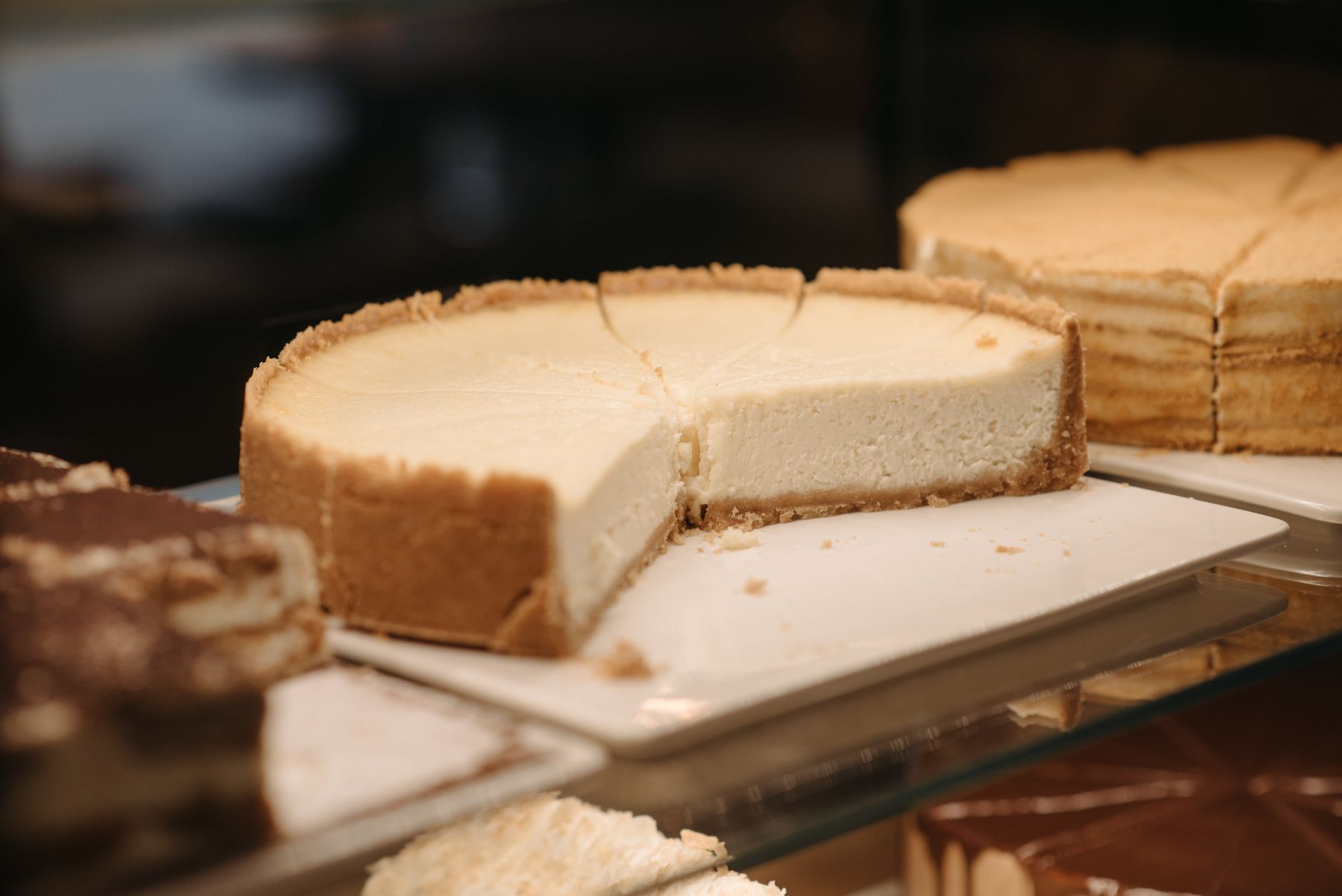
Cake is a beloved dessert that graces celebrations, makes special moments sweeter, and is often the star of family gatherings. Knowing how long cake lasts in the fridge is essential for both enjoyment and food safety. Whether it’s a slice of chocolate layer cake indulged in last night, a classic vanilla sponge saved from a birthday party, or any other delectable variety, proper storage can significantly extend its shelf life.
This article will delve into the various factors that influence the longevity of cake in the fridge, alongside practical tips for storage, and steps to help you enjoy your cake at its best. Understanding these elements can help you savor every bite without the worry of spoilage or waste.
How Long Will Cake Last in the Fridge?
The longevity of cake in the fridge generally ranges from 3 to 7 days. However, several factors can affect this timeframe, including the type of cake, its ingredients, and how it was stored. To truly understand how to make your cake last, it’s essential to consider these aspects carefully.
Factors Affecting Cake Longevity
Type of Cake
The composition of the cake plays a significant role in determining how long it will last in the fridge. For example:
- Butter Cakes: These cakes, such as pound cakes, contain butter and have a denser texture. They typically last around 5 to 7 days.
- Oil Cakes: Cakes made with oil, like carrot or chocolate cake, may remain fresh for about 4 to 6 days.
- Genoise and Sponge Cakes: These light cakes can be more delicate, lasting approximately 3 to 5 days.
- Cakes with Dairy Ingredients: Cakes that have cream cheese or fresh toppings may last only 3 to 4 days due to their moisture content and perishability.
Moisture Content
The moisture level of a cake is another critical factor. Cakes that are moist and rich may mold faster than drier cakes. Properly sealing a moist cake can help prolong its freshness.
Frosting and Fillings
The type of frosting or filling significantly affects the cake’s shelf life. Cream-based frostings or those made with dairy are perishables and should be consumed within a few days. On the other hand, buttercream or fondant can help shield the cake and provide a longer shelf life, generally extending it to 5 to 7 days.
Storage Conditions
How you store your cake is critical in determining how long it will last. Cakes should be cooled completely before storage. If you place a warm cake in the fridge, it can become soggy. Use these best practices:
- Keep the cake in its original pan covered with plastic wrap or aluminum foil if it’s uneaten.
- For larger or multi-layer cakes, a cake dome works well to prevent air exposure and moisture loss.
- For single slices, use an airtight container to minimize air exposure.
Signs Your Cake Has Gone Bad
Before indulging in leftover cake, it’s wise to check for any signs of spoilage. Here are indicators that your cake may not be safe to eat:
- Smell: Any off or sour odor that deviates from the cake’s original sweetness can signal spoilage.
- Mold: If you see any green or black spots on the surface of the cake, it has become moldy.
- Texture: A stale or dry texture may indicate that the cake has lost its freshness.
Best Practices for Storing Cake in the Fridge
For Unfrosted Cakes
- Allow the cake to cool completely before storage.
- Wrap the cake tightly in plastic wrap to prevent air exposure and keep moisture in.
- For extra protection, place the wrapped cake in an airtight container.
- Label the container with the date for tracking freshness.
For Frosted Cakes
- Ensure the frosting has set before wrapping (this helps avoid smearing).
- If the cake is layered or has intricate decorations, use a cake carrier for protection.
- If covering with plastic wrap, use toothpicks to create a barrier so the wrap doesn’t touch the icing.
- Store the cake in the fridge and ensure it isn’t near foods with strong odors to prevent flavor contamination.
For Slices of Cake
- Slice the cake to your desired portion size.
- Wrap each slice in plastic wrap or place it in an airtight container.
- Label with the date for tracking purposes.
- Store in the refrigerator and consume within a few days for best quality.
Freezing Cake for Longer Storage
If you want to store cake beyond the typical refrigerator lifespan, freezing it is a fantastic option. Freezing preserves cake quality for up to 3 months. Here are the steps for freezing cake:
Freezing Unfrosted Cakes
- Allow the cake to cool completely.
- Wrap the cake tightly in plastic wrap, ensuring that no part of the cake is exposed.
- Place the wrapped cake inside a heavy-duty freezer bag or container.
- Label with the name and date before placing it in the freezer.
Freezing Frosted Cakes
- Ensure the frosting has set completely.
- Place the entire cake in a cake box or container.
- If you lack a box, wrap it in plastic wrap securely.
- Label with the name and date for easier identification upon thawing.
Thawing Frozen Cake
- To thaw, transfer the cake from the freezer to the refrigerator and let it sit overnight.
- If you’re in a hurry, let it sit at room temperature for 1 to 2 hours, but avoid direct sunlight or heat.
- Once thawed, consume the cake within a few days for the best quality.
Common Cake Storage Mistakes
A few common mistakes can hinder the fresh quality and safety of your cake:
- Storing Warm Cake: Always cool cakes completely before refrigerating to avoid sogginess.
- Using Non-Airtight Containers: Lack of an airtight seal can expose the cake to air, leading to drying and unwanted flavors.
- Not Covering Frosted Cakes: Leaving frostings exposed can lead to crusting, which affects the texture and flavor.
Summary of Cake Lifespan in the Fridge
To recap, cakes typically last between 3 to 7 days in the refrigerator depending on factors like type, moisture content, and storage conditions. Properly wrapping and storing your cake can significantly enhance its shelf life, ensuring you can enjoy every delicious bite.
And if you’re uncertain whether your cake is still safe to eat, remember that when in doubt, it’s best to toss it rather than risk your health. Always trust your senses when determining freshness.
For additional insights regarding food storage, check out how long cooked ground beef lasts in the fridge or learn about cottage cheese shelf life after opening. These resources can help you maintain food safety in your kitchen effectively!