

Egg wash recipe mastery takes your baked goods from amateur to professional in seconds. This simple mixture of egg and liquid creates that gorgeous golden brown crust on pastries, breads, and pies that makes everyone ask for your secret.
Whether you’re glazing a homemade pie crust or sealing empanadas, a proper egg wash delivers shine, color, and crispness. Let’s break down exactly how to make and use this essential kitchen technique.
Why You’ll Love This Recipe
An egg wash might seem basic, but it transforms ordinary baked goods into bakery quality creations. Here’s why this technique deserves a permanent spot in your repertoire.
- Takes under two minutes to prepare with ingredients you already have
- Creates a professional golden sheen that impresses every time
- Works as an edible glue for seeds, sugar, and decorative toppings
- Helps seal edges on stuffed pastries to prevent leaking
- Customizable for different levels of shine and browning
My Experience Making This Recipe
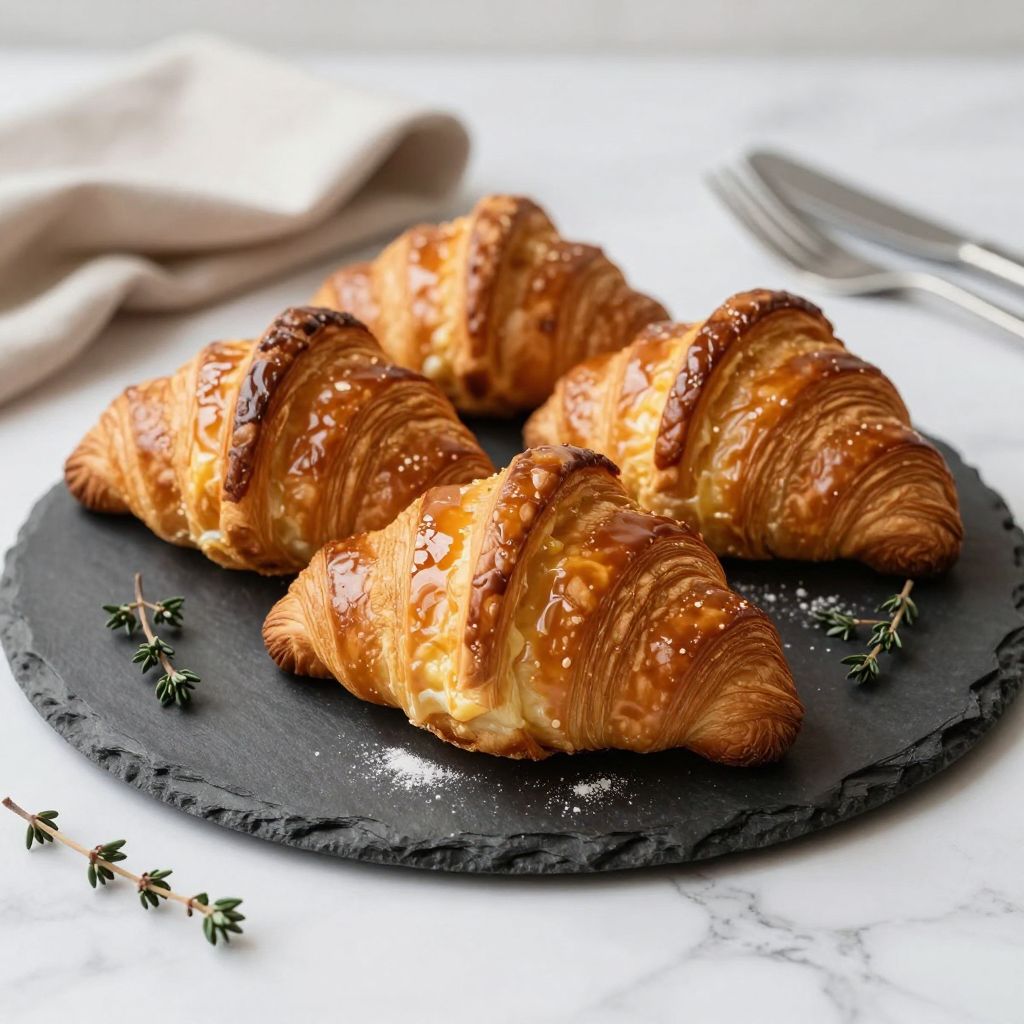
I’ve probably made hundreds of egg washes over the years, and I still appreciate how such a simple step makes such a dramatic difference. My first attempt at homemade croissants looked pale and sad until I discovered the magic of a well applied egg wash.
The smell of fresh bread with that lacquered golden top coming out of the oven never gets old. Family members always comment on how “professional” everything looks, and honestly, that little ego boost keeps me baking.
I’ve experimented with different ratios and liquids, and I’ll share exactly what works best for each situation. Trust me, once you nail your egg wash technique, you’ll wonder how you ever baked without it.
Recipe Overview
- Recipe Name: Classic Egg Wash
- Servings: Enough for 1 to 2 standard pies or 12 pastries
- Prep Time: 2 minutes
- Cook Time: 0 minutes
- Total Time: 2 minutes
- Course: Baking Component
- Cuisine: Universal
- Calories per Serving: 23 calories per tablespoon used
Equipment You Will Need
- Small mixing bowl
- Fork or small whisk
- Pastry brush (silicone or natural bristle)
- Fine mesh strainer (optional but recommended)
- Small measuring spoons
Ingredients for Egg Wash Recipe
- 1 large egg, at room temperature
- 1 tablespoon water, milk, or cream
- 1 pinch salt (optional)
For Extra Rich Egg Wash
- 1 large egg yolk only
- 1 tablespoon heavy cream
For Lighter Egg Wash
- 1 large egg white only
- 1 teaspoon water
Ingredient Notes and Substitutions
- Whole egg: Provides balanced color and shine with moderate browning. Use milk instead of water for richer color.
- Egg yolk: Creates the deepest golden color and richest shine. Skip this for a matte finish.
- Egg white: Delivers shine without much color, perfect for lighter pastries. Great for when you want crispness without browning.
- Water: Thins the egg for easier application and lighter coverage. Substitute with milk for more browning power.
- Cream: Produces the most luxurious, deep golden finish. Use whole milk as a lighter alternative.
- Salt: Breaks down egg proteins for smoother consistency. Skip if you’re watching sodium intake.
How to Make Egg Wash Recipe
Step 1: Gather Your Ingredients
Pull your egg from the refrigerator about 10 minutes before you need it. Room temperature eggs blend more smoothly and create a more even wash.
Step 2: Crack the Egg
Crack your egg into a small mixing bowl, being careful not to get any shell fragments in there. Nobody wants crunchy bits on their beautiful pastry crust.
Step 3: Add Your Liquid
Pour in your tablespoon of water, milk, or cream depending on your desired finish. Water gives you a thinner wash, while cream creates maximum richness and color.
Step 4: Add Salt If Using
Sprinkle in a tiny pinch of salt and let it sit for 30 seconds. The salt helps break down the egg proteins, making the mixture smoother and easier to brush on evenly.
Step 5: Beat Until Smooth
Whisk vigorously with a fork for about 30 seconds until completely blended. You want a uniform yellow liquid with no streaks of white visible.
Step 6: Strain for Perfection
Pour the mixture through a fine mesh strainer into another bowl. This removes the chalazae (those stringy bits) and any lumps, giving you a flawlessly smooth application.
Step 7: Apply to Your Baked Goods
Dip your pastry brush lightly into the egg wash and tap off excess. Brush in thin, even strokes across the surface, working in one direction to avoid pooling.
Step 8: Handle Edges Carefully
Avoid letting egg wash drip down the sides of puff pastry or laminated doughs. The egg acts like glue and can prevent proper rising if it seals the layers together at the edges.
Pro Tip: Apply a second thin coat of egg wash after the first dries slightly (about 3 to 5 minutes) for an even deeper golden color and mirror like shine.
Tips for the Best Egg Wash Recipe
- Always strain your egg wash to remove lumps and stringy bits that leave marks on your finished product.
- Use a light hand when brushing to avoid thick globs that can burn or create dark spots.
- Clean your pastry brush between batches to prevent buildup that causes uneven coverage.
- Match your wash to your goal: yolk for deep color, white for shine, whole egg for balance.
- Apply egg wash right before baking for the best adhesion and most even browning.
- Store leftover egg wash covered in the fridge for up to 24 hours and re-whisk before using.
Common Mistakes to Avoid
- Applying too thick a layer: Excess egg wash pools in crevices and creates uneven, blotchy browning.
- Forgetting to beat thoroughly: Unmixed wash leaves white streaks that look unprofessional after baking.
- Getting wash on cut edges of puff pastry: This seals the layers and prevents that gorgeous rise.
- Using a dirty brush: Old egg residue creates clumps and drags across delicate dough surfaces.
- Applying too early: Egg wash applied and left sitting too long can soak into dough and create soggy spots.
Serving Suggestions
Egg wash isn’t something you serve directly, but it enhances countless baked goods. Here are perfect applications for your new technique.
- Homemade pie crusts for that bakery window shine
- Croissants, danish, and puff pastry creations
- Braided challah and enriched bread loaves
- Hand pies, empanadas, and stuffed pastries
- Dinner rolls and pretzel bites before adding coarse salt
Variations to Try
- Yolk only wash: Use just the yolk with cream for the richest, most deeply golden crust on brioche and enriched breads.
- White only wash: Creates a subtle shine without browning, ideal for delicate sugar cookies or light colored pastries.
- Milk wash: Skip the egg entirely for a lighter browning effect that works well for simple biscuits and scones.
- Sweetened wash: Add half a teaspoon of sugar to your standard wash for a slightly caramelized, glossy finish.
- Herb infused wash: Steep rosemary or thyme in warm cream before mixing with egg for savory breads and focaccia.
Dietary Adaptations
- Gluten free: Egg wash itself contains no gluten, so use it freely on all your gluten free baked goods.
- Dairy free: Use water or plant based milk instead of dairy milk or cream with no noticeable difference in results.
- Vegan: Brush with plant milk, aquafaba, or a mixture of maple syrup and non dairy milk for shine without eggs.
- Low carb and keto: Standard egg wash adds minimal carbs and works perfectly for keto friendly baked goods.
Storage and Reheating
Refrigerator
Leftover egg wash keeps well for short term use with proper storage.
- Transfer to an airtight container or cover bowl tightly with plastic wrap
- Store for up to 24 hours maximum
- Whisk again before using as it will separate
Freezer
Freezing egg wash is possible but not ideal for best results.
- Pour into ice cube trays for small portions
- Thaw in refrigerator overnight before using
- Quality decreases after freezing, so fresh is always better
Reheating
Egg wash doesn’t require reheating since you apply it to raw dough before baking.
- Bring refrigerated wash to room temperature for 10 minutes
- Whisk thoroughly to recombine separated ingredients
- Discard if it smells off or has been stored longer than 24 hours
Nutrition Information
| Nutrient | Amount |
|---|---|
| Calories | 23 |
| Total Fat | 1.6g |
| Saturated Fat | 0.5g |
| Carbohydrates | 0.2g |
| Fiber | 0g |
| Sugar | 0.1g |
| Protein | 2g |
| Sodium | 23mg |
| Cholesterol | 62mg |
Nutritional values are approximate and based on one tablespoon of standard whole egg wash with water. Actual amounts absorbed by baked goods vary based on application.
Frequently Asked Questions
Can I use just egg white or just egg yolk?
Absolutely. Egg white gives you shine without much color, while yolk alone creates the deepest golden brown finish.
What can I substitute for egg wash if I have an egg allergy?
Brush with plain milk, melted butter, aquafaba, or a mixture of maple syrup and plant milk. Results vary slightly but still provide nice browning.
Can I make egg wash ahead of time?
Yes, store it covered in the refrigerator for up to 24 hours. Always re-whisk before using since it separates as it sits.
Why does my egg wash look streaky after baking?
Streaky results usually mean the egg wasn’t beaten enough or you didn’t strain out the chalazae. Beat until completely uniform and strain through a fine mesh sieve.
Should I apply egg wash before or after proofing bread?
Apply egg wash right before the bread goes into the oven, after proofing is complete. Applying earlier can create a skin that inhibits proper rising.
How do I get seeds and toppings to stick?
Brush on your egg wash first, then immediately sprinkle your toppings while the wash is still wet. The egg acts as edible glue to hold everything in place during baking.
Final Thoughts
A perfect egg wash recipe is one of those small techniques that separates good home bakers from great ones. Two minutes of effort rewards you with professional looking results every single time.
Now that you know the ratios, variations, and application techniques, go give your next batch of pastries that gorgeous golden glow. Your baked goods deserve to look as delicious as they taste, and this simple step makes all the difference.
Classic Egg Wash
Ingredients
Method
- Bring the egg to room temperature by letting it sit out for about 10 minutes before starting.
- Crack the egg into a small mixing bowl, ensuring no shell fragments remain.
- Add 1 tablespoon of water, milk, or cream to the bowl, depending on the desired richness and browning level.
- Sprinkle in a pinch of salt if using, and let the mixture stand for 30 seconds so the salt can begin breaking down the egg proteins.
- Beat the mixture vigorously with a fork or small whisk for about 30 seconds, until the liquid is uniformly yellow with no visible streaks.
- For an ultra-smooth wash, pour the mixture through a fine-mesh strainer into a clean bowl, discarding any stringy bits that remain in the strainer.
- Dip a pastry brush lightly into the egg wash, tap off excess, and brush thin, even strokes across the surface of your unbaked pastry, working in one direction to avoid pooling.
- If a deeper color or shine is desired, allow the first coat to dry for 3–5 minutes, then brush on a second thin layer just before the pastry goes into the oven.