
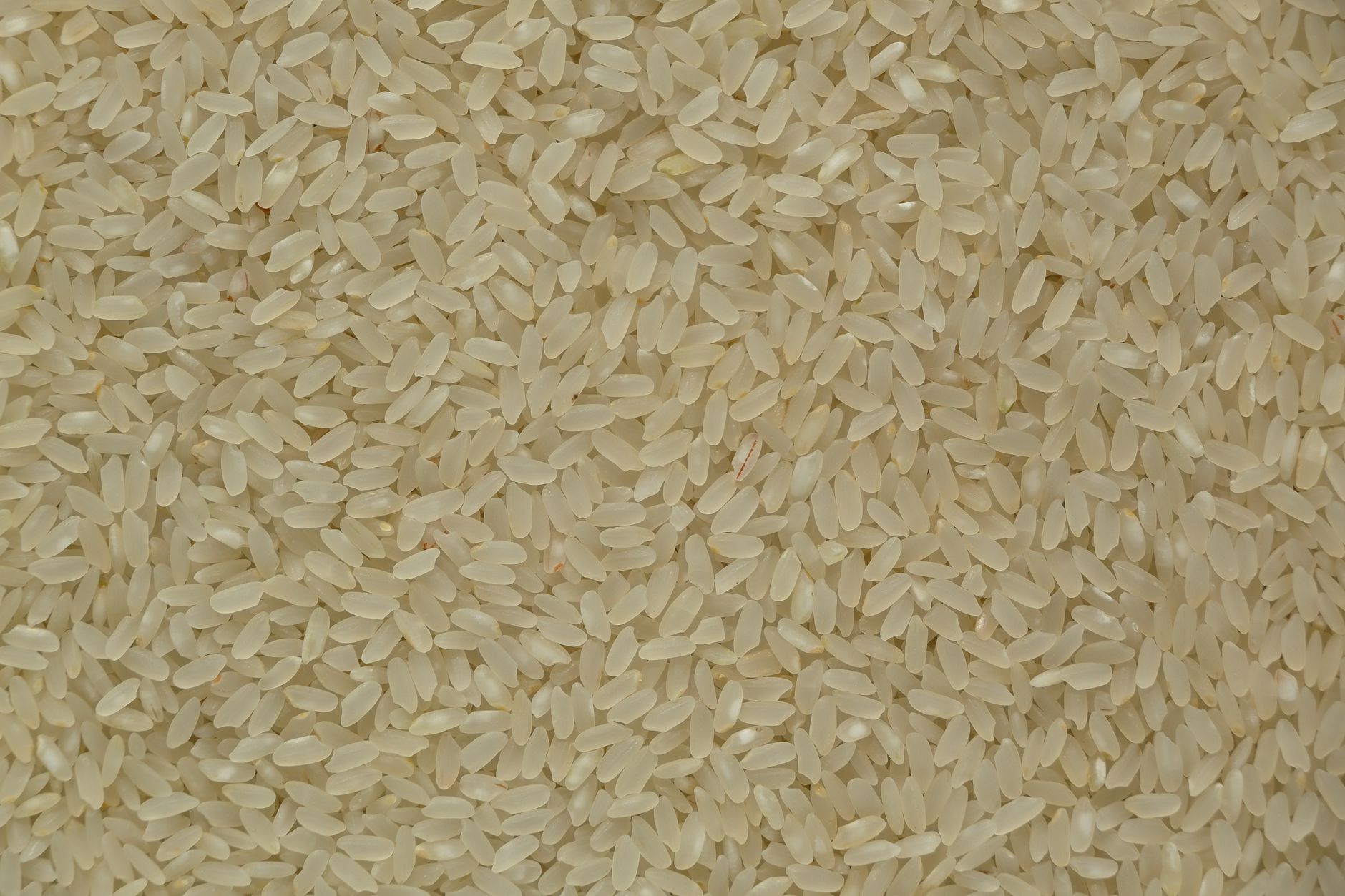
Washing rice is a common practice in various cuisines, but it raises the question: what happens if you don’t wash rice? This inquiry explores the effects on flavor, texture, and overall cooking performance. Understanding the implications can help you make an informed choice for your next dish.
In this article, we will delve into the reasons behind washing rice, what occurs if you skip this step, and tips for cooking rice effectively whether you choose to wash it or not.
What Happens If You Don’t Wash Rice?
If you don’t wash rice before cooking, you may encounter several issues, including excess starch, greater stickiness, and an unpleasant taste. Unwashed rice can also contain impurities or dust, affecting the final dish’s quality.
Reasons for Washing Rice
Washing rice serves multiple purposes that enhance the cooking process and final flavor of the dish. Here are some key reasons:
- Removes excess starch: Most rice varieties have a coating of surface starch that, when left unwashed, can result in a gummy texture. Washing helps to remove this starch, yielding more separate grains.
- Eliminates impurities: Rice can harbor dirt, dust, and other impurities from the harvesting and packaging process. Rinsing rice helps ensure that your final dish is clean and safe to eat.
- Improves flavor: Washing rice can enhance its flavor profile by removing any residual taste from processing or packaging.
- Reduces cooking time: Pre-washing can help the grains absorb water more effectively, possibly leading to a shorter cooking time for certain rice types.
Impacts of Not Washing Rice
Understanding what happens when you do not wash rice can help in selecting the best approach for your culinary needs.
Excess Starch
When rice isn’t washed, the excess starch can produce a sticky, clumpy texture. This is particularly noticeable in short-grain varieties, like sushi rice, which are already high in starch. Instead of achieving light, fluffy grains, unwashed rice can clump together.
Texture Issues
The texture of unwashed rice can be affected due to its cooking properties. With excess starch, rice can cook unevenly, leading to some grains being undercooked while others may become overcooked. This inconsistency can diminish the overall quality of your meal.
Flavor Concerns
Many people notice a difference in flavor when they do not wash rice. The residual compounds from processing can lead to a slightly musty or off taste. While the impact may vary based on the rice type, enhancing flavor through washing is generally a good practice.
Safety Considerations
Although the risk is relatively low, unwashed rice can harbor potential contaminants. Washing helps to minimize this risk by removing dirt and dust particles that might otherwise end up in your dish.
Types of Rice and Washing Recommendations
Different types of rice have different characteristics, which can inform whether washing is necessary. Here are some common varieties and whether you should consider washing them:
Long-Grain Rice
- Basmati Rice: Known for its nutty flavor and fluffy texture, washing basmati rice is highly recommended. It helps achieve separate grains and enhance flavors.
- Jasmine Rice: Similar to basmati, jasmine rice benefits from washing to reduce stickiness and enhance aroma.
Medium-Grain Rice
- Arborio Rice: Primarily used for risotto, washing arborio isn’t necessary. Its high starch content is desirable for creaminess.
- Calrose Rice: Typically used in sushi, washing this variety is beneficial to remove excess starch for better texture.
Short-Grain Rice
- Sushi Rice: Washing sushi rice is essential to avoid a gummy texture. This enhances the desired sticky yet separate quality required for sushi.
- Sticky Rice: This rice is designed to be sticky when cooked, so washing is not required and may reduce its intended texture.
How to Wash Rice Properly
If you decide to wash rice, here is a straightforward method to do it effectively:
- Measure: Begin by measuring the desired amount of rice using a standard measuring cup.
- Rinse: Place the rice in a fine-mesh strainer or a bowl. Rinse under cool water, using your hands to stir the rice gently to release the starch.
- Drain: Continue rinsing until the water runs clear, indicating that the excess starch has been washed away. This typically takes 2-3 rinses.
- Soak (optional): Depending on the rice variety, consider soaking for about 30 minutes to improve texture and reduce cooking time.
- Cook: Proceed to cook the rice as desired, using your preferred method.
Cooking Rice Without Washing: Tips and Techniques
Whether you’re in a hurry or simply forgetful, there are methods you can employ to mitigate the effects of not washing rice:
Adjustment of Water Ratios
If you skip washing, consider adjusting the water ratio in your cooking process. Adding slightly less water can help prevent overly sticky rice, especially for varieties known to produce excess starch.
Utilizing Flavor Enhancers
You can improve the flavor of unwashed rice by cooking it in broth instead of plain water. This can mask any off-flavors and enhance the overall taste of your dish.
Cooking Techniques
- Steaming: Cooking rice via steaming can help reduce stickiness, allowing excess starch to settle and separating the grains more effectively.
- Frying: Using methods like fried rice can also prevent the gummy texture associated with unwashed rice, as the additional ingredients and high heat create a different dynamic.
Common Mistakes When Cooking Rice
Here are some common mistakes to avoid, whether you wash the rice or not:
Cooking at Incorrect Temperatures
Rice should generally cook at a simmer rather than a rolling boil. Too high of heat can lead to uneven cooking and excess starch release, complicating your texture experience.
Incorrect Water Ratios
Every rice type has a specific water-to-rice ratio. Failing to measure accurately can result in rice that is either undercooked or overly soggy. Consult reliable resources to find the proper ratios for your specific rice variety.
Skipping Rest Time
After cooking, allow rice to rest for about 10 minutes before fluffing it with a fork. This helps minimize clumpiness and gives it a chance to steam and settle.
Serving Suggestions for Rice Dishes
Rice is incredibly versatile and can be served with a variety of accompaniments. Here are some popular suggestions:
- Stir-Fries: Incorporate colorful vegetables, proteins like chicken or tofu, and a savory sauce for a balanced meal.
- Curries: Serve rice alongside your favorite curry to soak up the delicious flavors.
- Grain Bowls: Create a nourishing grain bowl by layering rice with roasted vegetables, nuts, and a tangy dressing.
- Sushi: If using washed sushi rice, create homemade sushi rolls with your choice of fillings.
Batch Cooking and Meal Prep
Cooking large batches of rice can be a time-saver for meal prepping. Here are steps to effectively batch cook rice:
- Choose the Rice: Decide on the type of rice based on your future meal plans.
- Wash (if preferred): Engage in the washing process as previously detailed.
- Cook in Bulk: Use a large pot or rice cooker to cook multiple servings at once.
- Cool and Store: Spread the cooked rice on a tray to cool quickly, risking fewer growth opportunities for bacteria. Once cooled, store it in airtight containers in the fridge.
- Reheat: To reheat, add a splash of water to the rice and cover it before microwaving or steaming.
Storage Guidelines for Cooked Rice
Knowing how to store cooked rice is essential to ensure its safety and quality:
- Refrigeration: Cooked rice can be stored in the refrigerator and is best eaten within 3–4 days.
- Freezing: For longer storage, freeze cooked rice in portioned servings. It can last up to six months.
- Thawing: To thaw frozen rice, place it in the refrigerator overnight or microwave it while covered until heated through.
In summary, washing rice is a crucial step in ensuring your final dish is flavorful and has the desired texture. While skipping this step can lead to various culinary disappointments, understanding how to adjust your techniques can help you move forward successfully. Whether you’re preparing a perfectly fluffy batch of jasmine rice or a sticky sushi rice, being aware of these details can elevate your cooking skills.
If you’re looking for additional resources to enhance your cooking, explore our guides on how many cups of water for 1 cup of rice or check if basmati rice is gluten-free to suit your dietary needs.