
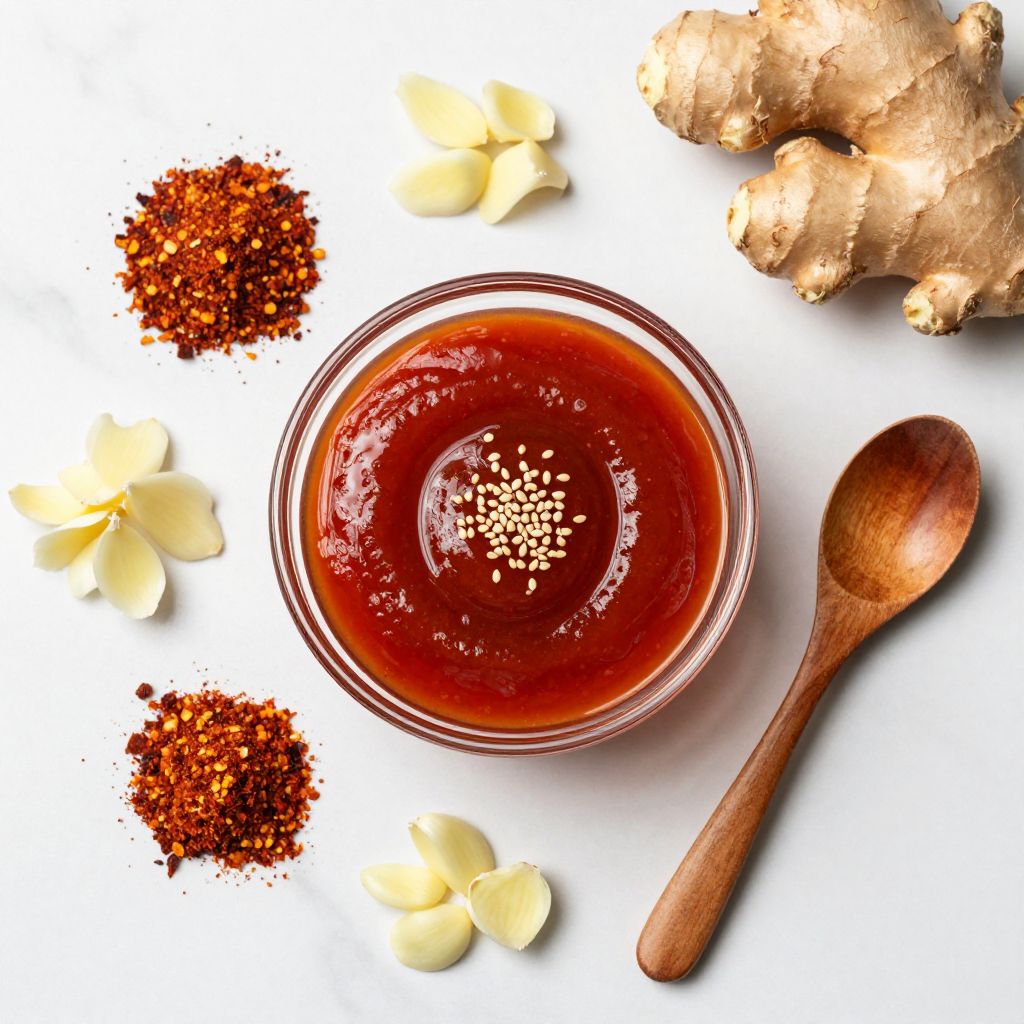
Picture this: a tangy, spicy sauce that adds life to any dish, elevating everything from grilled meats to simple rice bowls. That’s the magic of Kimchi Sauce, a staple in Korean cuisine that brings a burst of flavor and a hint of umami to your meals.
This recipe is not just about heat; it’s about balance, with the perfect blend of spicy, sour, and savory notes. Whether you’re a kimchi lover or a curious foodie, this sauce is a versatile gem that you’ll want on hand for drizzling, dipping, or marinating.
Why You’ll Love This Recipe
Get ready to fall in love with this flavor powerhouse that’s both easy to make and incredibly rewarding.
- Quick to prepare with minimal ingredients.
- Versatile enough for various dishes.
- Packs a flavor punch without overwhelming heat.
- Great for meal prep and storage.
My Experience Making This Recipe
I still remember the first time I whipped up a batch of Kimchi Sauce. The aroma was intoxicating, wrapping around me like a warm hug from the kitchen.
Friends and family couldn’t get enough, using it on everything from stir-fries to grilled vegetables. The best part? Each spoonful transports you to the bustling streets of Seoul.
Recipe Overview
- Recipe Name: Kimchi Sauce
- Servings: 8
- Prep Time: 10 minutes
- Cook Time: 0 minutes
- Total Time: 10 minutes
- Course: Sauce
- Cuisine: Korean
- Calories per Serving: 60
Equipment You Will Need
- Mixing bowl
- Whisk or fork
- Measuring cups and spoons
- Storage jar or container
Ingredients for Kimchi Sauce
- 2 tablespoons of gochugaru (Korean red chili flakes)
- 2 tablespoons of soy sauce
- 1 tablespoon of rice vinegar
- 1 tablespoon of sugar
- 2 teaspoons of sesame oil
- 1 tablespoon of minced garlic
- 1 teaspoon of minced ginger
Ingredient Notes and Substitutions
- Gochugaru: This adds both heat and flavor. Substitute with crushed red pepper flakes for a different spice profile.
- Soy sauce: It provides the salty umami flavor. Use tamari for a gluten-free option.
- Rice vinegar: It balances the sauce with acidity. Apple cider vinegar can work in a pinch.
- Sugar: It helps to mellow the spice. Honey or agave can be used for a natural sweetness.
- Sesame oil: Adds depth and richness. If unavailable, use any light vegetable oil but skip the toasting step.
How to Make Kimchi Sauce
Step 1: Gather Your Ingredients
Start by measuring out all your ingredients. Having everything in place makes the mixing process smooth and quick.
Step 2: Combine the Dry Ingredients
In a mixing bowl, combine the gochugaru and sugar. This ensures the sugar dissolves evenly when mixed with the wet ingredients.
Step 3: Add the Wet Ingredients
Pour in the soy sauce, rice vinegar, and sesame oil. These ingredients provide the essential moisture and flavor backbone to the sauce.
Step 4: Mix Well
Whisk everything together until you achieve a smooth consistency. The goal is to fully incorporate the gochugaru and sugar without lumps.
Step 5: Incorporate Garlic and Ginger
Add the minced garlic and ginger to the mixture. These aromatics will enhance the overall flavor profile, adding a fresh and zesty kick.
Step 6: Taste and Adjust
Take a small taste of the sauce and adjust if necessary. If it’s too spicy, add a touch more sugar; if it needs more depth, a splash of soy sauce can do wonders.
Step 7: Store the Sauce
Transfer the sauce to a clean storage jar. Proper storage helps the flavors meld together even more.
Step 8: Let It Rest
For the best flavor, let the sauce sit for at least 30 minutes before using. This resting time allows the ingredients to harmonize beautifully.
Pro Tip: Make a double batch and store it in the fridge for up to two weeks for easy access to delicious flavor!
Tips for the Best Kimchi Sauce
- Use fresh garlic and ginger for a brighter flavor.
- Adjust the gochugaru to suit your spice tolerance.
- Let the sauce sit overnight for a more developed flavor.
- Experiment with adding a splash of lime juice for a citrusy twist.
- Pair it with grilled meats for an unforgettable marinade.
Common Mistakes to Avoid
- Not measuring the gochugaru accurately can lead to a sauce that’s too spicy or too mild.
- Skipping the resting time means missing out on the full flavor potential.
- Using low-quality soy sauce can impact the taste negatively.
- Forgetting to taste and adjust can leave the sauce unbalanced.
Serving Suggestions
This sauce is incredibly versatile and can enhance many dishes. Here are some great pairing ideas:
- Drizzle over grilled vegetables.
- Use as a dipping sauce for dumplings.
- Mix into fried rice for added depth.
- Spread on sandwiches for a spicy kick.
Variations to Try
- Add a teaspoon of miso paste for an extra umami flavor.
- Incorporate toasted sesame seeds for added texture.
- Mix in chopped scallions for a fresh crunch.
- Swap out rice vinegar for lemon juice for a different acidity.
Dietary Adaptations
- Gluten-free: Use tamari instead of soy sauce.
- Dairy-free: This recipe is naturally dairy-free.
- Vegan: All ingredients are plant-based.
- Low-carb/Keto: Omit sugar or use a low-carb sweetener.
Storage and Reheating
Refrigerator
Store the sauce in an airtight container in the fridge. It will last up to two weeks.
- Keep it sealed to maintain freshness.
- Label the container with the date for easy tracking.
Freezer
You can freeze this sauce for longer storage. Just make sure to use a freezer-safe container.
- It can last up to three months in the freezer.
- Thaw in the refrigerator before use.
Reheating
There’s no need to reheat this sauce, as it’s typically used cold or at room temperature. Just give it a good stir before using.
Nutrition Information
| Nutrient | Amount |
|---|---|
| Calories | 60 |
| Total Fat | 4g |
| Saturated Fat | 0.5g |
| Carbohydrates | 6g |
| Fiber | 0g |
| Sugar | 2g |
| Protein | 1g |
| Sodium | 600mg |
| Cholesterol | 0mg |
This information is approximate and may vary based on specific ingredients used.
Frequently Asked Questions
Can I make this sauce ahead of time?
Yes, making it ahead allows the flavors to meld and improves the taste.
How can I adjust the heat level?
To lower the heat, reduce the amount of gochugaru or add more sugar to balance it out.
How should I store leftover sauce?
Keep it in an airtight container in the refrigerator for up to two weeks.
Can I use this sauce for marinades?
Absolutely! It works wonderfully as a marinade for meats and tofu.
What if I don’t have gochugaru?
Crushed red pepper flakes can be used, but the flavor will differ slightly.
Final Thoughts
Making your own Kimchi Sauce opens up a world of flavor in your kitchen. Once you try it, you’ll find yourself reaching for it time and again.
Don’t hesitate to experiment with it and make it your own. For more delightful sauces, check out our Gochujang Sauce Recipe and Ssamjang Recipe.
Kimchi Sauce
Ingredients
Equipment
Method
- Gather your ingredients.
- In a mixing bowl, combine the gochugaru and sugar.
- Pour in the soy sauce, rice vinegar, and sesame oil.
- Whisk everything together until you achieve a smooth consistency.
- Add the minced garlic and ginger to the mixture.
- Taste the sauce and adjust if necessary.
- Transfer the sauce to a clean storage jar.
- Let the sauce sit for at least 30 minutes before using.