
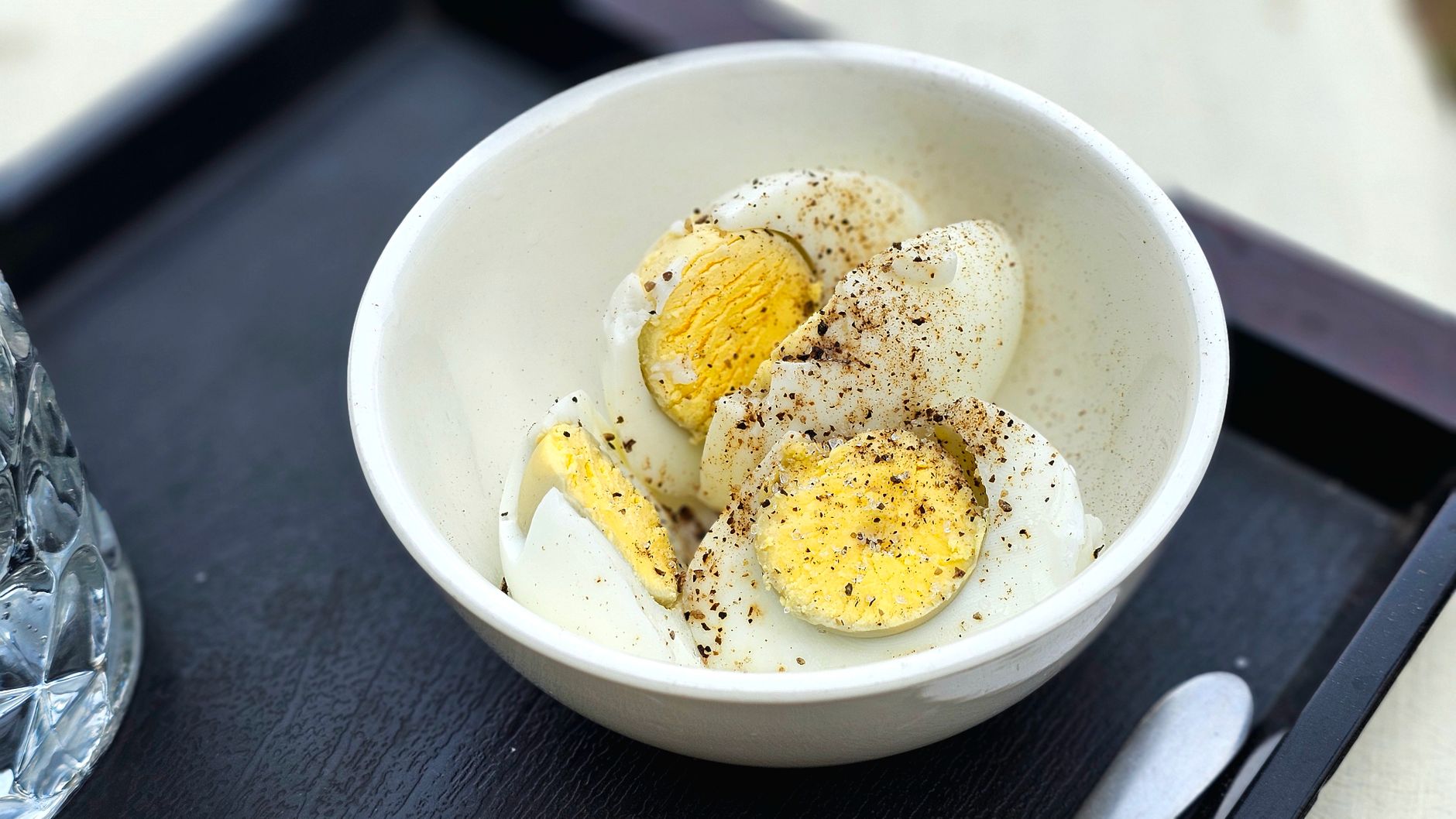
Eggs are a popular source of protein, often featured in breakfast dishes, baked goods, and protein-packed snacks. With their versatility and nutritional value, many people wonder about the fiber content in eggs, an essential component of a balanced diet.
This article aims to clarify whether there is fiber in eggs, provide detailed nutritional facts, and offer insight on serving sizes. Understanding how eggs fit into your dietary goals can help you make informed choices in your meal planning.
Is There Fiber in Eggs?
No, eggs do not contain fiber. A whole egg is primarily made up of protein and fat, with negligible amounts of carbohydrates. While they provide several essential nutrients, such as vitamins and minerals, they lack dietary fiber, which is important for digestive health and overall well-being.
The Nutritional Breakdown of Eggs
To appreciate the value that eggs bring to your diet, it’s essential to examine their nutritional content beyond just fiber. Eggs are often celebrated for their high-quality protein and the broad range of vitamins and minerals they provide.
Key Nutrients in Eggs
A typical large egg (about 50 grams) contains the following:
- Calories: 70
- Protein: 6 grams
- Total Fat: 5 grams
- Saturated Fat: 1.5 grams
- Monounsaturated Fat: 2 grams
- Polyunsaturated Fat: 0.7 grams
- Cholesterol: 186 mg
- Total Carbohydrates: 1 gram
- Dietary Fiber: 0 grams
- Sugars: 0 grams
- Vitamin D: 41 IU (10% DV)
- Vitamin B12: 0.6 mcg (10% DV)
- Riboflavin (Vitamin B2): 0.2 mg (15% DV)
- Selenium: 15.4 mcg (22% DV)
The lack of fiber in eggs should not deter you from including them in your diet. Instead, focus on balancing your meals with other fiber-rich foods such as fruits, vegetables, whole grains, and legumes.
Serving Sizes and How to Enjoy Eggs
Eggs can easily fit into various meals throughout the day. Understanding serving sizes and preparation methods can enhance their nutritional impact.
Typical Serving Sizes
The standard serving size for eggs is generally one large egg. This size can vary depending on individual dietary needs and goals. Here’s how to incorporate eggs into various meals:
- Breakfast: One to two eggs, scrambled, boiled, or fried.
- Lunch: Add a hard-boiled egg to salads or grain bowls.
- Dinner: Use eggs in dishes like frittatas or shakshuka for a protein boost.
- Snacks: Enjoy a boiled egg as a quick and portable snack option.
Cooking Techniques
Eggs can be cooked in numerous ways, each providing unique flavors and textures. Here are some popular methods:
Boiling
Boiling eggs can be done in two ways: hard-boiled and soft-boiled. Both methods involve submerging eggs in boiling water. Hard-boiled eggs take around 9-12 minutes, while soft-boiled eggs take around 4-6 minutes, yielding a runny yolk. Adjust the timing based on your preference.
Scrambling
Scrambled eggs provide a creamy, rich texture. Simply whisk eggs with a splash of milk and seasonings, then cook on medium heat until they reach your desired doneness. Stir occasionally to prevent sticking.
Frying
Fried eggs can be cooked sunny-side up, over-easy, or over-hard. Heat a non-stick pan and add oil or butter. Carefully crack in the egg and cook according to the desired doneness.
Baking
Baking eggs can be done in casserole form, such as in frittatas or breakfast casseroles. Combining eggs with vegetables, cheese, and meats allows for endless flavor variations.
Combining Eggs with Fiber-Rich Foods
Since eggs are devoid of fiber, they can be paired with fiber-rich foods to create balanced meals. Here are some ideas:
- Veggie Omelets: Use bell peppers, spinach, onions, and tomatoes in a classic omelet for added fiber.
- Avocado Toast with Eggs: Spread mashed avocado on whole-grain bread and top with a poached or fried egg.
- Salads: Add sliced hard-boiled eggs on top of mixed greens, nuts, seeds, and other vegetables to increase fiber content.
- Pasta Dishes: Create a pasta salad with eggs, vegetables, and a whole-grain or legume-based pasta.
Healthy Egg Recipes
Cooking with eggs opens up a world of healthful recipes. Here are a few egg-centric dishes that integrate other nutritious ingredients:
Vegetable Frittata
This easy-to-make frittata combines eggs with vegetables for a fiber-rich meal.
Ingredients:
- 6 large eggs
- 1 cup spinach, chopped
- 1/2 cup bell pepper, diced
- 1/4 cup onion, diced
- 1/2 cup shredded cheese (optional)
- Salt and pepper to taste
Instructions:
- Preheat your oven to 350°F (175°C).
- In a bowl, whisk eggs and season with salt and pepper.
- In a skillet, sauté onion and bell pepper until softened.
- Add spinach and cook until wilted.
- Pour the egg mixture into the skillet and top with cheese if desired.
- Cook on medium heat for 3-4 minutes, then transfer to the oven and bake for 10-15 minutes or until eggs are set.
Egg Salad
Egg salad is an excellent way to incorporate eggs and is easily customizable with added ingredients.
Ingredients:
- 4 large hard-boiled eggs, chopped
- 2 tablespoons mayonnaise or Greek yogurt
- 1 teaspoon Dijon mustard
- 1/4 cup celery, finely chopped
- 1/4 cup green onions, sliced
- Salt and pepper to taste
Instructions:
- In a bowl, combine chopped eggs, mayonnaise, mustard, celery, and green onions.
- Mix until well combined, seasoning with salt and pepper to taste.
- Serve on whole-grain bread or with crackers for an added fiber boost.
Storage and Safety of Eggs
Understanding storage recommendations is important to ensure the safety and freshness of eggs.
How Long Can You Keep Eggs?
When stored correctly in the refrigerator, eggs can remain fresh for about 3-5 weeks past the sell-by date. Keep them in their original carton in the coldest part of the fridge to maintain their quality.
Freezing Eggs
Eggs can be frozen for later use. Consider cracking and beating them before freezing, then storing them in airtight containers. This allows you to use them in various dishes after thawing.
Common Mistakes and Troubleshooting
When cooking eggs, a few common mistakes can affect the outcome:
- Overcooking: Be mindful of cooking times, as overcooked eggs can become rubbery or dry. Remove them from heat as soon as they are set.
- Not seasoning: Eggs benefit from seasoning; a pinch of salt can enhance their flavor significantly.
- Using old eggs: Always check for freshness; if an egg floats in water, it’s a sign it’s no longer safe to eat.
Conclusion
While eggs are an excellent source of protein and essential nutrients, they contain no fiber. Incorporating fiber-rich foods alongside eggs can help create balanced meals that support digestive health. Experiment with different cooking techniques and combinations to make the most out of your eggs. Remember to store them properly for freshness and safety.
For more information on cooking eggs and their nutritional value, explore topics like calories in scrambled eggs and how long to keep eggs in the refrigerator.