
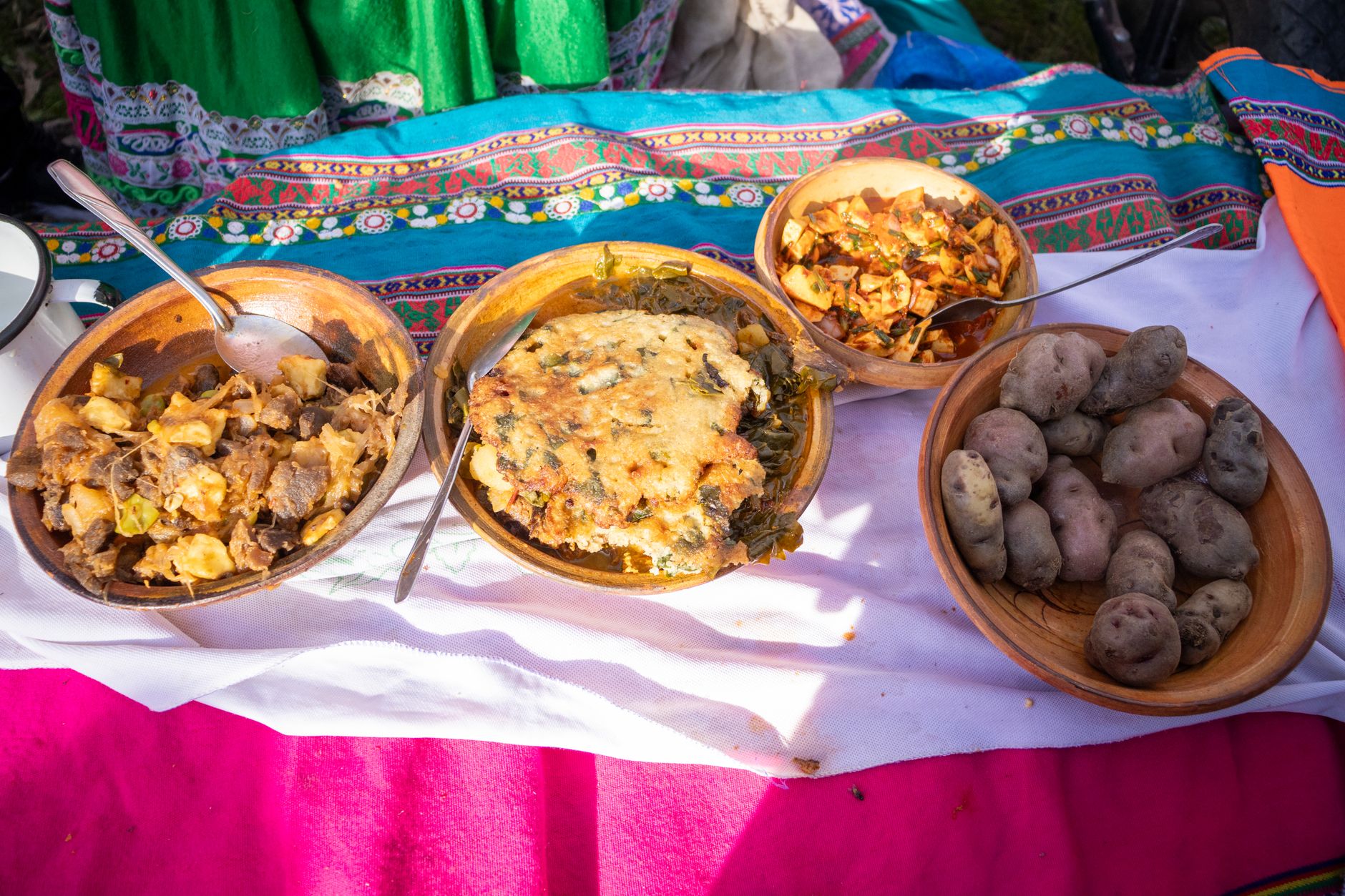
Albanian food reflects the diverse geography and rich cultural history of the region. It combines Mediterranean and Balkan influences, resulting in a vibrant and unique culinary tradition. Fresh ingredients, hearty flavors, and traditional cooking methods are hallmarks of Albanian cuisine.
From robust grilled meats and fresh seafood to savory pastries and sweet desserts, Albanian food offers a variety of flavorful dishes suitable for every meal of the day. This article will explore the essential ingredients, signature dishes, and cooking techniques that define Albanian food.
What Is Albanian Food?
Albanian food encompasses a diverse range of dishes characterized by fresh ingredients, hearty flavors, and influences from Mediterranean and Balkan cuisines. Common ingredients include vegetables, meats, dairy, and grains, with a focus on seasonal produce and traditional cooking techniques.
Essential Ingredients in Albanian Cuisine
Understanding the foundational ingredients of Albanian cooking is vital for appreciating its dishes. This cuisine is noteworthy for its focus on freshness and seasonality. Below are some of the key components:
- Meat: Lamb, beef, and chicken are commonly used. Lamb, in particular, is a staple in many traditional dishes.
- Seafood: Coastal regions emphasize fish and seafood, including squid, octopus, and various fish varieties.
- Vegetables: Fresh, seasonal vegetables such as tomatoes, peppers, eggplants, and zucchini are frequently incorporated into meals.
- Dairy: Various dairy products, especially cheese, are essential. Popular choices include feta and the traditional Albanian cheese known as gjizë.
- Grains: Bread is a vital component, with pita (a type of flatbread) being particularly popular, along with rice and corn.
- Herbs and Spices: Commonly used herbs include dill, parsley, and mint, while spices may include paprika, black pepper, and salt.
- Nuts and Legumes: Walnuts and chickpeas are frequently added to dishes for texture and flavor.
Traditional Albanian Dishes
Albanian cuisine is rich with traditional dishes that reflect its cultural heritage. Below are some iconic meals worth exploring:
1. Tavë Kosi
Tavë Kosi, a classic Albanian dish, is a baked lamb and rice casserole mixed with a yogurt sauce that creates a creamy texture. The flavors combine beautifully, making it a great introduction to Albanian food.
Ingredients:
- 1 kg lamb, cut into small pieces
- 200 g rice
- 500 g plain yogurt
- 2 eggs
- 1 onion, finely chopped
- 2 cloves garlic, minced
- Salt and pepper to taste
- 2 tbsp olive oil
- Water as needed
Cooking Method:
- Preheat the oven to 180°C (350°F).
- In a pot, heat the olive oil and sauté the onion and garlic until softened.
- Add the lamb and brown it on all sides.
- Stir in the rice and season with salt and pepper.
- Pour in enough water to cover the mixture and bring to a boil. Reduce heat and simmer until rice is partially cooked.
- In a bowl, whisk together yogurt and eggs, then add to the pot.
- Transfer the mixture to a baking dish and bake for about 40 minutes or until the top is golden brown.
2. Byrek
Byrek is a savory pastry filled with ingredients such as cheese, spinach, or meat, wrapped in flaky dough. Popular for breakfast or as a snack, it is a beloved dish in Albania.
Ingredients:
- 500 g phyllo pastry
- 200 g feta cheese, crumbled
- 200 g spinach, cooked and chopped
- 1 onion, finely chopped
- 2 eggs
- Salt and pepper to taste
- Olive oil for brushing
Cooking Method:
- Preheat the oven to 200°C (390°F).
- In a bowl, mix the feta cheese, spinach, chopped onion, eggs, salt, and pepper.
- Take a sheet of phyllo pastry and layer it on a greased baking tray, brushing lightly with olive oil between layers.
- Place spoonfuls of the filling mixture on one end and roll the pastry tightly.
- Form a spiral shape or a small “pocket” and brush the top with olive oil.
- Bake for 30-35 minutes or until golden brown.
3. Qofte
Qofte, or Albanian meatballs, are typically made from minced meat mixed with herbs and spices, then pan-fried or grilled. They are enjoyed with yogurt or tomato sauce.
Ingredients:
- 500 g ground beef or lamb
- 1 onion, finely chopped
- 2 cloves garlic, minced
- 1/4 cup parsley, chopped
- 1 egg
- Salt and pepper to taste
- Olive oil for frying
Cooking Method:
- In a bowl, mix the ground meat with onion, garlic, parsley, egg, salt, and pepper.
- Shape the mixture into small meatballs.
- Heat olive oil in a pan over medium heat and fry the meatballs until browned on all sides and cooked through, about 10-15 minutes.
- Serve hot with yogurt or tomato sauce.
Cooking Techniques in Albanian Cuisine
Albanian cooking techniques often emphasize simplicity and traditional practices. Common methods include:
Grilling
Grilling is a popular method for cooking various meats, giving them a smoky flavor and appealing char. It often occurs on a charcoal grill, especially during summertime social gatherings.
Baking
Baking is essential in preparing dishes like Tavë Kosi and Byrek. Using a regular or convection oven helps attain even cooking and browning.
Sautéing
Sautéing vegetables or meats in olive oil enhances flavors while allowing for quick cooking. This technique is beneficial for maintaining the freshness and texture of ingredients.
Flavors and Ingredients Pairing
Pairing ingredients to enhance flavors is crucial in Albanian cooking. Here are several common combinations:
- Feta Cheese and Spinach: This classic pairing can be found in byrek and other pastries.
- Lamb and Garlic: The combinations of garlic and rosemary or mint make for an aromatic and flavorful meat dish.
- Tomatoes and Peppers: Often used together in salads, these ingredients create a vibrant and flavorful base.
- Yogurt and Cucumber: This refreshing mixture is a common accompaniment to grilled meats.
Regional Influences in Albanian Cuisine
Albania’s geography and history influence regional cuisines, leading to variations based on areas:
- Coastal Regions: Focus more on seafood dishes, with Mediterranean influences. Fish and shellfish play a prominent role.
- Mountain Regions: Meat-oriented dishes are more common, with lamb and dairy products such as cheese being staples.
- Urban Areas: Here you might find a fusion of traditional and modern culinary techniques, often introducing international elements.
What to Drink with Albanian Food
Food in Albania is often complemented by local beverages. Here are a few common drink options:
- Raki: A traditional alcoholic beverage made from distilled grapes or plums, often enjoyed with meals.
- Wine: Albania has a growing wine industry with several excellent red and white wines. Varieties like Vlosh and Shesh are noteworthy.
- Albanian Coffee: Strong coffee is often brewed using a small pot, offering a robust taste to accompany desserts after meals.
Albanian Desserts
Albanian desserts tend to be sweet but not overly so, featuring nuts, honey, and yogurt. Here are some popular options:
1. Baklava
This renowned pastry consists of layers of phyllo dough soaked in syrup or honey, typically filled with nuts.
2. Trilece
A sponge cake soaked in three types of milk, resulting in a rich and creamy dessert, often topped with whipped cream.
3. Sweets with Honey and Nuts
Many Albanian sweets incorporate honey and nuts. They offer a flavorful, sweet treat often enjoyed with tea or coffee.
Albanian Food in Modern Dining
Today, Albanian cuisine is experiencing renewed interest globally. Restaurants are increasingly showcasing traditional recipes alongside modern interpretations, allowing diners to explore both classic and contemporary flavors.
Dining Etiquette
When enjoying Albanian meals, it is customary to share dishes, fostering a communal dining experience. Meals often begin with a series of appetizers, followed by main dishes and desserts, encouraging social interaction and engagement.
Exploring Albanian Cuisine
For those looking to explore Albanian food beyond its traditional offerings, consider searching for local Albanian restaurants or markets. Engaging with the community can provide deeper insights into the culinary traditions and dishes that define this rich culture.
From hearty meals to light snacks, traditional Albanian cuisine showcases a rich tapestry of flavors and textures. It emphasizes fresh, seasonal ingredients and communal dining, making each meal an experience to remember.
To try your hand at creating Albanian dishes, start with simpler recipes like Byrek or Qofte, gradually working your way toward more complex meals such as Tavë Kosi. The exploration of Albanian food allows you to connect with the culture and tradition of this vibrant nation.
Whether you’re preparing a full Albanian feast or simply looking to add some flavors from this region to your cooking repertoire, Albanian cuisine offers plenty of opportunities for exploration and enjoyment.