
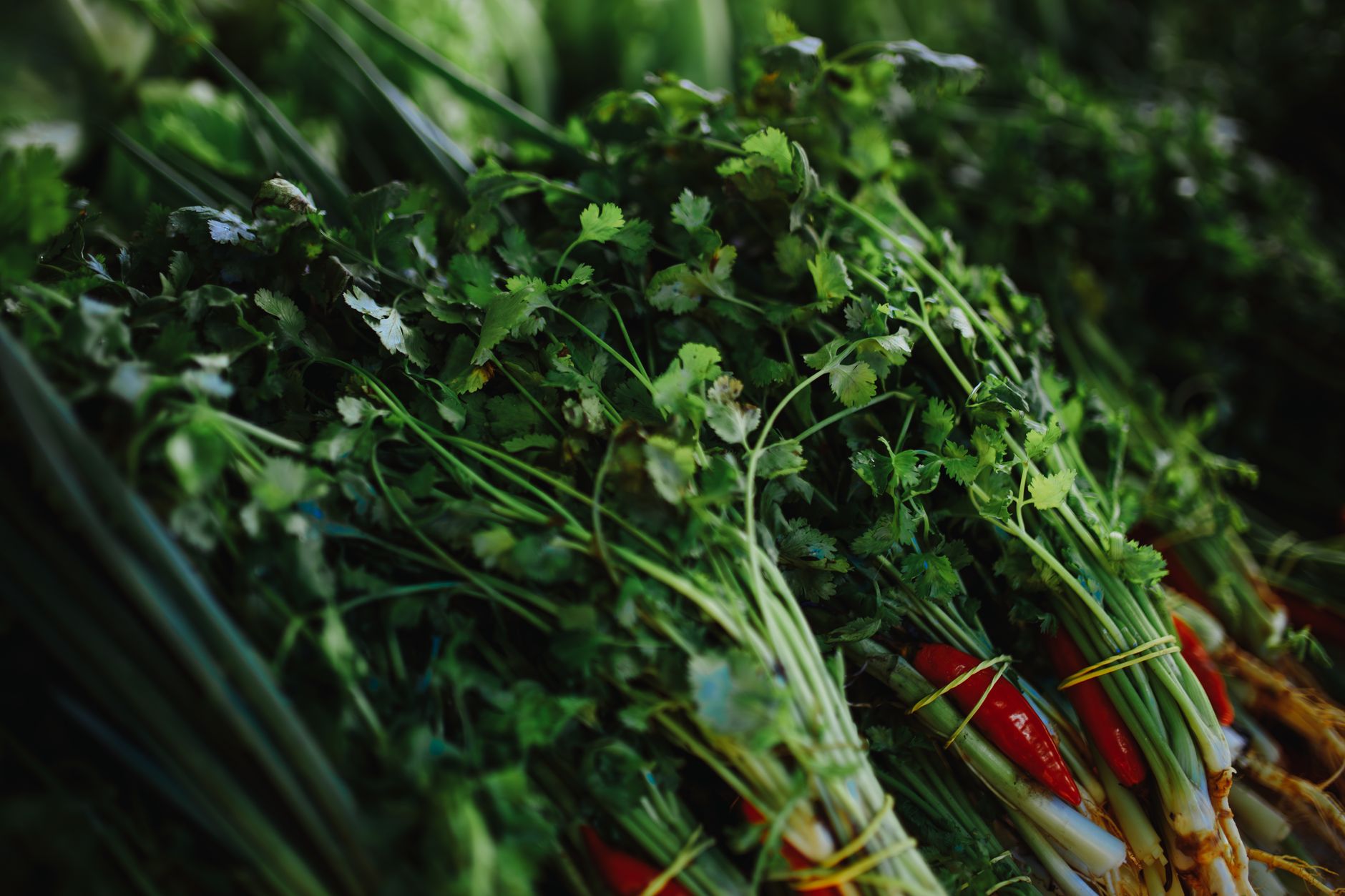
Cilantro, also known as coriander in some regions, is a versatile herb used in various cuisines around the world. Its fresh, bright flavor enhances numerous dishes, from salsas to curries. However, storing fresh cilantro properly is essential to maintain its flavor, aroma, and texture for as long as possible. Understanding the best storage options can help you enjoy cilantro’s unique qualities without wasting any of this fragrant herb.
In this guide, we’ll explore several methods for storing fresh cilantro, how long it typically lasts, and some useful tips to keep your cilantro fresh and flavorful. Whether you’re a culinary enthusiast or just love adding a sprinkle of cilantro to your meals, this article will help you preserve this delicious herb effectively.
How Do You Store Fresh Cilantro?
To store fresh cilantro, the ideal methods are to keep it in a jar with water like cut flowers, or to wrap it in a lightly damp paper towel and place it inside a sealed plastic bag in the refrigerator. These methods help maintain freshness and reduce spoilage.
Understanding Cilantro’s Shelf Life
Before diving into storage techniques, it’s essential to understand the shelf life of fresh cilantro. When properly stored, fresh cilantro can last:
- In a jar with water: Up to two weeks.
- Wrapped in a damp paper towel: About one week.
- In the refrigerator (unwrapped): Around three to five days.
These timeframes can vary depending on the freshness of the cilantro at the time of purchase and the conditions of your storage environment.
Methods for Storing Fresh Cilantro
1. Water Jar Method
This method mimics how you would store cut flowers, and it’s one of the most effective ways to keep cilantro fresh for an extended period.
- Choose a clean jar or glass that can accommodate the cilantro bunch.
- Trim about one inch off the stems of the cilantro to encourage hydration.
- Fill the jar with water, ensuring that the stems are submerged but the leaves remain dry.
- Cover the leaves loosely with a plastic bag to create a humid environment without trapping moisture that may lead to rot.
- Store the jar in the refrigerator, ideally in the door or on a shelf where it can stay upright.
With this method, check the water level every few days and replace it if it becomes cloudy. This method can keep your cilantro fresh for up to two weeks.
2. Damp Paper Towel Method
If you have limited space in your refrigerator, this method is an excellent alternative for temporarily stashing cilantro.
- Take a clean paper towel and dampen it slightly—do not soak it.
- Lay the cilantro on the damp paper towel, ensuring not to crush the leaves.
- Wrap the cilantro snugly in the paper towel.
- Place the wrapped cilantro in a resealable plastic bag, removing as much air as possible before sealing.
- Store the bag in the refrigerator’s vegetable crisper drawer.
This approach helps maintain moisture without causing the leaves to become soggy, and it can extend the life of your cilantro to about a week.
3. Plastic Bag Method
For quick access, you can also store cilantro in a plastic bag, but it needs to be done thoughtfully to avoid wilting.
- Place the cilantro inside a resealable plastic bag without washing it.
- Squeeze as much air out of the bag as possible before sealing it.
- Keep the bag in the refrigerator, ideally within the vegetable drawer.
This method is suitable for short-term storage but be mindful that it won’t preserve freshness as well as the previous methods, leading to faster wilting, typically within three to five days.
4. Freezing Cilantro
If you have an abundant supply of cilantro and want to preserve it for longer periods, freezing is a viable option. However, be aware that the texture will change once thawed, making it unsuitable for garnishing but perfect for cooking.
- Wash the cilantro thoroughly and allow it to dry completely.
- Chop the leaves if desired—this simplifies using them later in recipes.
- Spread the chopped cilantro on a baking sheet lined with parchment paper.
- Freeze the cilantro for a few hours until solid.
- Transfer the frozen cilantro into a freezer-safe bag or container, removing as much air as possible before sealing.
Using this method will keep cilantro fresh for several months. When you need it, simply take out portions as required and add directly to dishes while cooking.
Tips for Selecting Fresh Cilantro
- Check for bright green leaves: Fresh cilantro should have vibrant green, unblemished leaves.
- Avoid yellowing or wilting: Leaves should be firm and crisp, not wilted or yellowed.
- Smell the cilantro: A strong, pleasant aroma indicates freshness.
- Inspect the stems: They should be firm and not limp or dried out.
Common Mistakes When Storing Cilantro
- Washing before storing: Excess moisture can lead to spoilage. Wash cilantro right before using it, not before storing.
- Leaving it wrapped too tightly: Cilantro needs some airflow, so avoid sealing it too tightly in containers.
- Ignoring the stem: The stems of cilantro also have a lot of flavor. Consider using them in cooking rather than discarding them.
- Not checking regularly: It’s important to check your stored cilantro regularly for any signs of decay, such as sliminess or odors.
Using Cilantro in Your Cooking
- Salsas: Fresh cilantro is a key ingredient in salsa, perfectly complementing tomatoes, onions, and lime.
- Curries: Add it at the end of cooking for a burst of flavor in curries and stews.
- Garnishes: Use fresh cilantro to elevate the flavor of tacos, soups, and salads.
- Chimichurri: Blend cilantro with garlic, vinegar, oil, and spices to create a vibrant condiment for meats.