
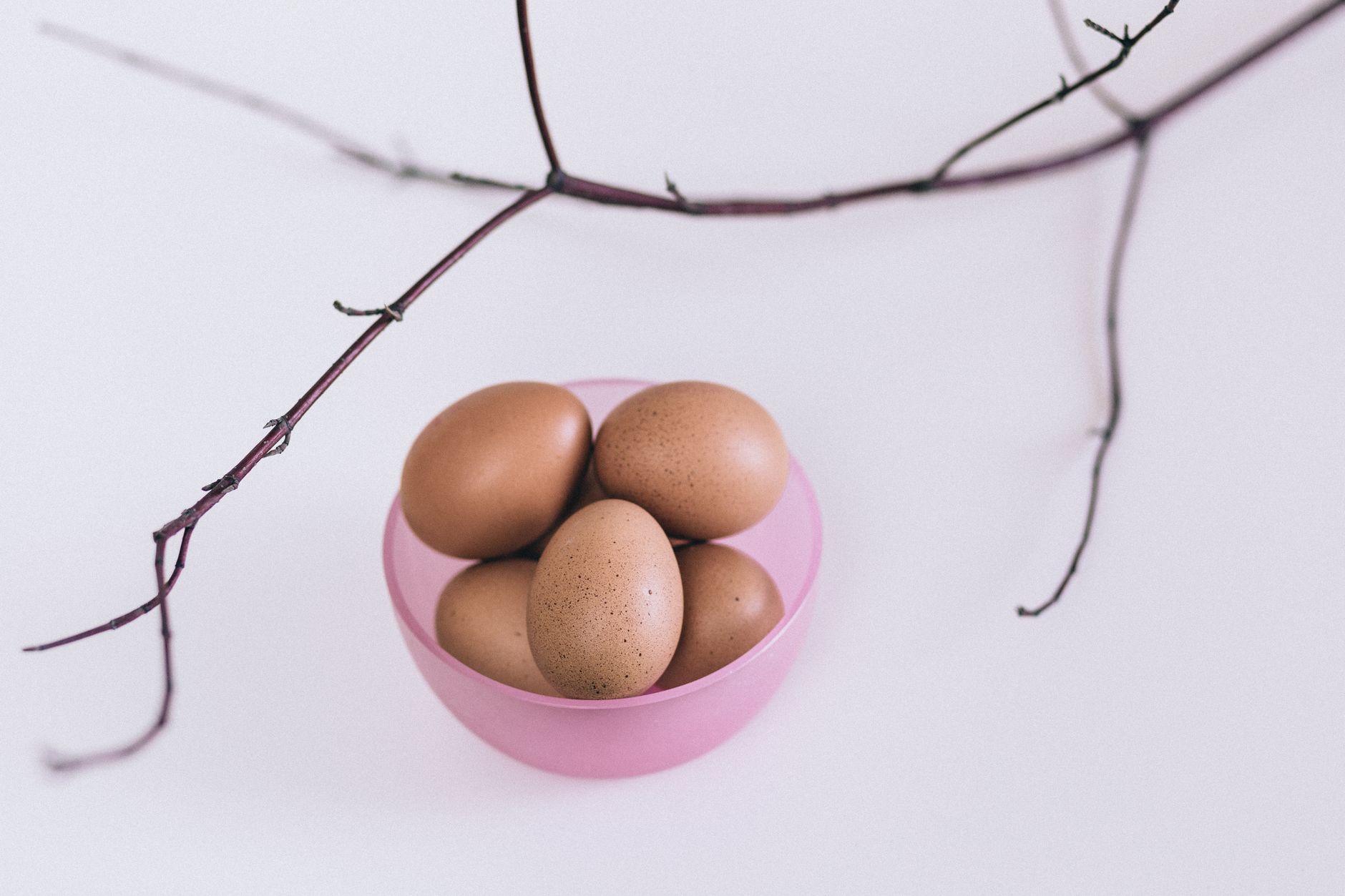
If you’ve ever found yourself with a dozen eggs you can’t use in time, you might be wondering: can you use frozen eggs? The good news is that yes, you can freeze eggs, and they can be a convenient way to reduce waste and have eggs on hand for future cooking and baking needs.
This guide will walk you through the best practices for freezing, thawing, and storing eggs safely. Additionally, we’ll explore various culinary uses for frozen eggs and provide tips to achieve the best results whether you’re cooking, baking, or meal prepping.
Can You Use Frozen Eggs?
Yes, frozen eggs are safe to use and can be a practical addition to your kitchen. When handled properly, they maintain their quality and are versatile for various recipes. This article will delve into how to freeze eggs correctly, how to thaw them, and tips for their storage and use.
How to Freeze Eggs
Freezing eggs is a straightforward process, but it requires some preparation to ensure the best results. Here’s how you can do it:
Steps to Freeze Whole Eggs
- Start with Fresh Eggs: Choose eggs that are fresh and uncracked. Store-bought eggs work best.
- Crack and Beat: In a clean bowl, crack the eggs open and beat them gently until the yolks and whites are fully combined.
- Pour into Containers: Pour the beaten eggs into ice cube trays or freezer-safe containers. Each cube typically holds about two tablespoons, which is equivalent to one egg.
- Label the Containers: Use a permanent marker to label your containers or trays with the date and number of eggs.
- Freeze: Place the trays or containers in the freezer. Once the eggs are solid, you can transfer them to a resealable plastic freezer bag or airtight container for easier storage.
Freezing Egg Whites and Yolks Separately
If you want to freeze your egg whites and yolks separately, here’s how:
- Crack the Eggs: Carefully separate the yolks from the whites in clean bowls.
- Freeze Separately: Pour the egg whites into ice cube trays and the yolks into another container. For yolks, adding a pinch of salt or sugar (1/8 teaspoon) per yolk can prevent them from becoming gelatinous when frozen.
- Label and Store: Label and store as mentioned in the previous section.
Thawing Frozen Eggs
Thawing frozen eggs needs to be done carefully to maintain quality and food safety. Here are the steps:
Best Methods for Thawing
- Refrigerator Method: Place the frozen egg container in the refrigerator overnight for a slow and safe thaw.
- Cold Water Method: For quicker thawing, place the sealed container of frozen eggs in a bowl of cold water, changing the water every 30 minutes until thawed.
- Do Not Microwave: Avoid using the microwave to thaw eggs, as this could start cooking them unevenly.
Using Thawed Eggs
Once thawed, use the eggs immediately. Do not refreeze thawed eggs as this can affect their texture and safety.
Storage Tips for Frozen Eggs
Proper storage of frozen eggs is essential for both safety and quality. Follow these tips:
- Use Airtight Containers: Ensure that containers are airtight to prevent freezer burn and contamination.
- Keep Track of Dates: Use a marker to label the date and contents. Frozen eggs are best used within a year.
- Store at a Constant Temperature: Keep your freezer at or below 0°F (-18°C) to preserve the quality of frozen eggs.
Culinary Uses for Frozen Eggs
Frozen eggs can be used in many recipes, just like fresh eggs. Here are some popular uses:
Baking
- Cakes and Muffins: Frozen eggs can be incorporated into batters without affecting the texture or taste significantly.
- Cookies: Use thawed eggs in cookie dough as you would fresh eggs for a delightful treat.
- Custards and Puddings: These recipes can benefit from frozen eggs, which whip up well for creamy textures.
Cooking
- Scrambled Eggs: Thawed eggs scramble just as well as fresh eggs when prepared on the stove.
- Omelettes: Use them in omelettes, adding your favorite vegetables and toppings.
Meal Prep
Frozen eggs are ideal for meal-prepping breakfast items, like frittatas or breakfast burritos. Simply thaw the eggs and incorporate them into your meals.
Practical Tips for Using Frozen Eggs
To get the best results with your frozen eggs, keep these practical tips in mind:
- Measure Before Freezing: Know how many eggs you’re likely to use in a recipe and freeze accordingly.
- Batch Freezing: Consider batch freezing eggs in various containers to diversify your uses later.
- Mix Before Using: Always mix thawed eggs before using to ensure even consistency.
Common Mistakes to Avoid
While freezing eggs is straightforward, some common pitfalls may occur:
- Not Labeling Containers: This can lead to confusion over how long the eggs have been stored.
- Freezing Eggs in Their Shells: Avoid this as shells may crack, leading to contamination.
- Ignoring Egg Quality: Start with fresh eggs and discard any that are cracked or dirty before freezing.
Frozen Eggs vs. Fresh Eggs: What You Need to Know
While frozen eggs can serve the same purpose as fresh eggs, there are some notable differences:
- Texture Changes: Frozen eggs may have a slightly different texture once thawed, which works better in cooked dishes than in recipes where eggs are served raw, like in dressings or aioli.
- Freshness: Fresh eggs have a superior taste for recipes that require minimal processing, such as poached or fried eggs.
Safety Considerations for Frozen Eggs
Food safety is critical when it comes to handling eggs, whether fresh or frozen. Follow these guidelines:
- Only freeze fresh, unwashed eggs to maintain their natural protective coating.
- Always thaw eggs in the refrigerator or under cold running water to prevent bacterial growth.
- Cook thawed eggs to a safe temperature of 160°F (71°C) to eliminate any potential pathogens.
Conclusion
Frozen eggs offer a convenient solution for managing surplus eggs without sacrificing quality. They can be extremely versatile in various cooking and baking applications. Ensure proper freezing, thawing, and storage to enjoy their benefits to the fullest.
For more information on egg preservation methods, check out how long you can keep eggs in the refrigerator or how long eggs last after their sell-by date.