
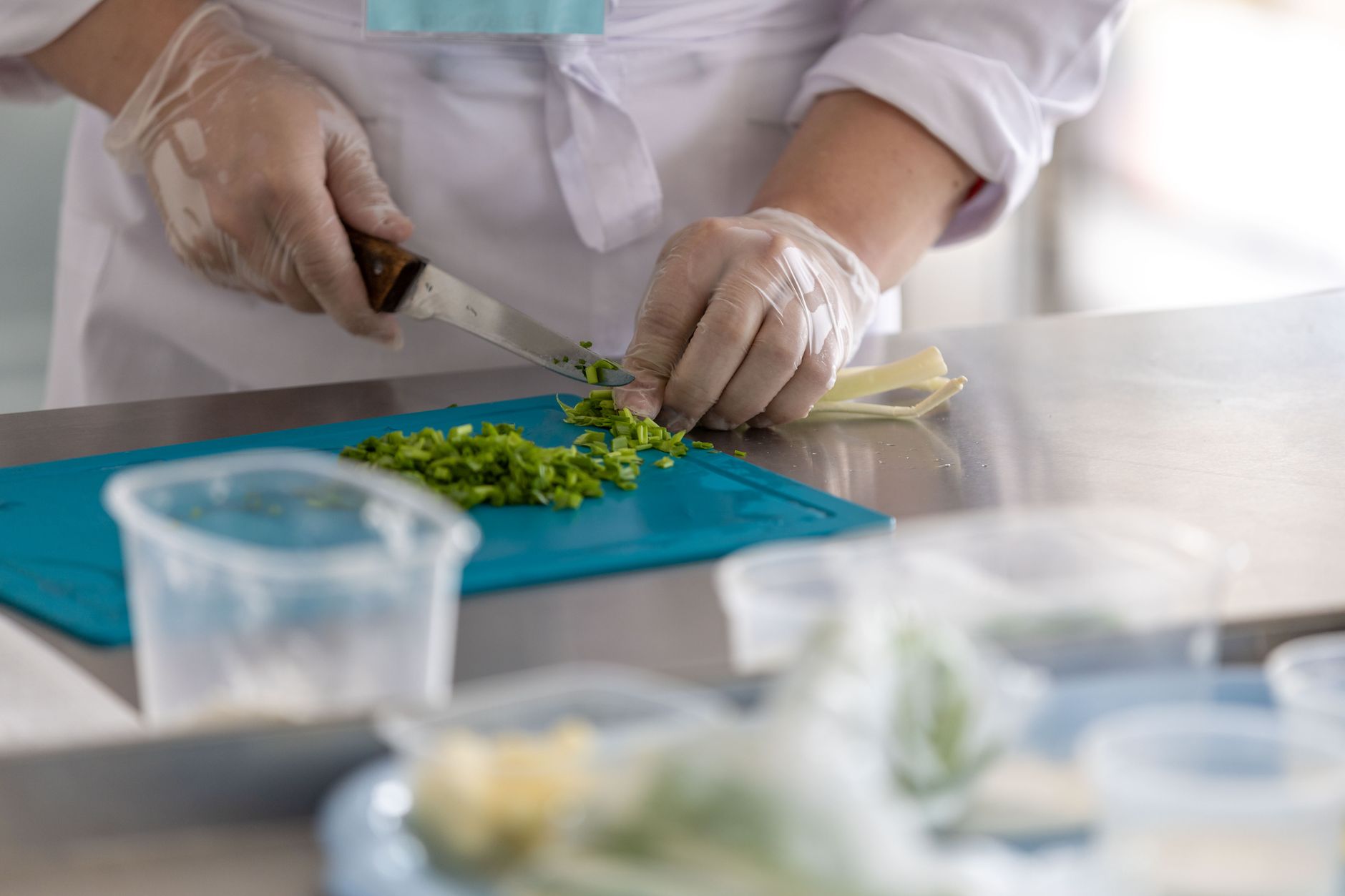
Understanding foodborne pathogens is essential for anyone who cooks or prepares food. Knowing the risks associated with certain ingredients and how to handle them can significantly reduce the chances of foodborne illness. This article explores the Big 6 foodborne pathogens, their sources, symptoms, and prevention methods to help you maintain food safety while cooking.
Foodborne pathogens can come from various sources such as raw meats, unwashed vegetables, and contaminated water. Being aware of these pathogens and their effects empowers you to make safe choices in your kitchen.
What Are the Big 6 Foodborne Pathogens?
The Big 6 foodborne pathogens are some of the most common bacteria and viruses responsible for food-related illnesses. They include:
- Salmonella
- Escherichia coli (E. coli)
- Listeria monocytogenes
- Norovirus
- Clostridium perfringens
- Campylobacter
1. Salmonella
Salmonella is a type of bacteria commonly found in raw poultry, meat, eggs, and sometimes in fruits and vegetables. It can cause salmonellosis, which results in diarrhea, fever, and abdominal cramps.
Sources and Symptoms
Common sources of Salmonella include:
- Raw or undercooked eggs
- Raw poultry and meat
- Unpasteurized milk and juices
- Contaminated produce
Symptoms usually appear six hours to six days after infection and can last several days.
Prevention
To prevent Salmonella infection, follow these tips:
- Cook poultry and eggs thoroughly (165°F or 74°C).
- Avoid cross-contamination by using separate cutting boards for raw meats and vegetables.
- Wash hands, surfaces, and utensils with soap and hot water after handling raw foods.
- Store eggs in their original carton and refrigerate them promptly.
2. Escherichia coli (E. coli)
Escherichia coli (E. coli) is a specific strain of bacteria often associated with undercooked beef, unpasteurized milk, and contaminated water. Certain strains can cause severe gastrointestinal illness.
Sources and Symptoms
Common E. coli sources include:
- Raw or undercooked ground beef
- Unwashed fruits and vegetables
- Unpasteurized dairy products
- Contaminated water
Symptoms typically appear three to four days after exposure and may include severe stomach cramps, diarrhea (often bloody), and vomiting.
Prevention
To avoid E. coli infection, consider the following:
- Cook ground beef to a minimum internal temperature of 160°F (71°C).
- Wash fruits and vegetables under running water before consumption.
- Avoid consuming unpasteurized dairy products and juices.
- Use safe water sources for cooking and rinsing.
3. Listeria monocytogenes
Listeria monocytogenes is a bacteria that can cause listeriosis, a serious infection primarily affecting pregnant women, newborns, the elderly, and those with compromised immune systems. It can grow at refrigeration temperatures.
Sources and Symptoms
Common sources of Listeria include:
- Ready-to-eat meats (deli meats, hot dogs)
- Unpasteurized dairy products
- Refrigerated smoked seafood
- Raw vegetables and fruits
Symptoms can take up to 60 days to develop and include fever, muscle aches, nausea, and diarrhea. Severe cases can lead to meningitis.
Prevention
To ensure safety against Listeria:
- Cook deli meats and hot dogs until steaming hot.
- Avoid unpasteurized dairy products.
- Refrigerate foods promptly and store leftovers properly.
- Wash produce thoroughly before consumption.
4. Norovirus
Norovirus is a highly contagious virus that leads to gastroenteritis. It spreads through contaminated food, surfaces, and direct person-to-person contact, making it extremely common in group settings like restaurants and schools.
Sources and Symptoms
You can contract Norovirus through:
- Consuming raw or undercooked shellfish, especially oysters
- Eating food prepared by infected individuals
- Touching contaminated surfaces and then touching your mouth
Symptoms include vomiting, diarrhea, stomach pain, and nausea, often appearing 12 to 48 hours after exposure.
Prevention
To reduce the risk of Norovirus, follow these guidelines:
- Wash hands thoroughly with soap and water before preparing or eating food.
- Cook shellfish to safe temperatures.
- Ensure food is prepared in clean environments.
- Disinfect surfaces that may come in contact with food or hands.
5. Clostridium perfringens
Clostridium perfringens is a bacterium often found in large quantities of food that has been kept warm for a long period. It’s one of the most common causes of food poisoning in the United States, particularly in meat and poultry dishes.
Sources and Symptoms
Common sources include:
- Meat and poultry
- Prepared food left at room temperature
- Meat dishes such as stews or gravies
Symptoms can occur within six to 24 hours and may involve abdominal cramps and diarrhea, typically without fever or vomiting.
Prevention
To protect against Clostridium perfringens:
- Keep hot foods hot (140°F/60°C or above) and cold foods cold (40°F/4°C or below).
- Ensure leftovers are refrigerated within two hours of serving.
- Thoroughly reheat leftovers to at least 165°F (74°C).
- Cook foods adequately and serve immediately.
6. Campylobacter
Campylobacter is one of the leading causes of bacterial food poisoning worldwide, primarily found in raw or undercooked poultry. It can also be present in untreated water and unpasteurized milk.
Sources and Symptoms
Common sources include:
- Raw or undercooked chicken
- Unpasteurized milk
- Contaminated water
Symptoms usually appear two to five days after exposure, including diarrhea (may be bloody), fever, stomach pain, and nausea.
Prevention
To avoid Campylobacter infection:
- Cook poultry to an internal temperature of 165°F (74°C).
- Prevent cross-contamination in the kitchen by keeping raw chicken separate from other foods.
- Wash hands thoroughly after handling raw poultry.
- Only consume pasteurized milk and treated water.
General Food Safety Tips
In addition to the specific prevention methods for each pathogen, here are some general food safety practices to maintain in your kitchen:
- Handwashing: Always wash your hands with soap and water for at least 20 seconds before and after handling food.
- Separate utensils: Use different cutting boards and utensils for raw meat, seafood, and vegetables.
- Proper cooking temperature: Use a food thermometer to ensure that foods are cooked to safe temperatures.
- Food storage: Recognize safe temperatures for food storage – refrigerate leftovers promptly, and don’t leave food out for extended periods.
- Awareness: Stay informed about food recalls and recalls of potentially contaminated products.
Common Mistakes to Avoid
Here are some common mistakes people make that can lead to foodborne illness:
- Not washing hands: Failing to wash hands before cooking can transfer bacteria to food.
- Incorrect storage: Leaving leftovers out at room temperature increases the risk of bacteria growth.
- Ignoring symptoms: Not addressing foodborne illness symptoms can lead to severe complications.
- Cross-contamination: Using the same utensils for raw and cooked foods can transfer pathogens.
Conclusion
Understanding the Big 6 foodborne pathogens and how to prevent them is crucial for anyone who prepares and enjoys food. By following safe food handling, cooking, and storage practices, you can significantly reduce the risk of foodborne illnesses. Always remain vigilant in the kitchen to ensure the safety and enjoyment of your meals.
If you’re looking for more information on food safety, check out our guides on how long cooked ground beef is good in the fridge or how long chicken is good for in the fridge. These resources can help further your understanding of safe food storage practices.