
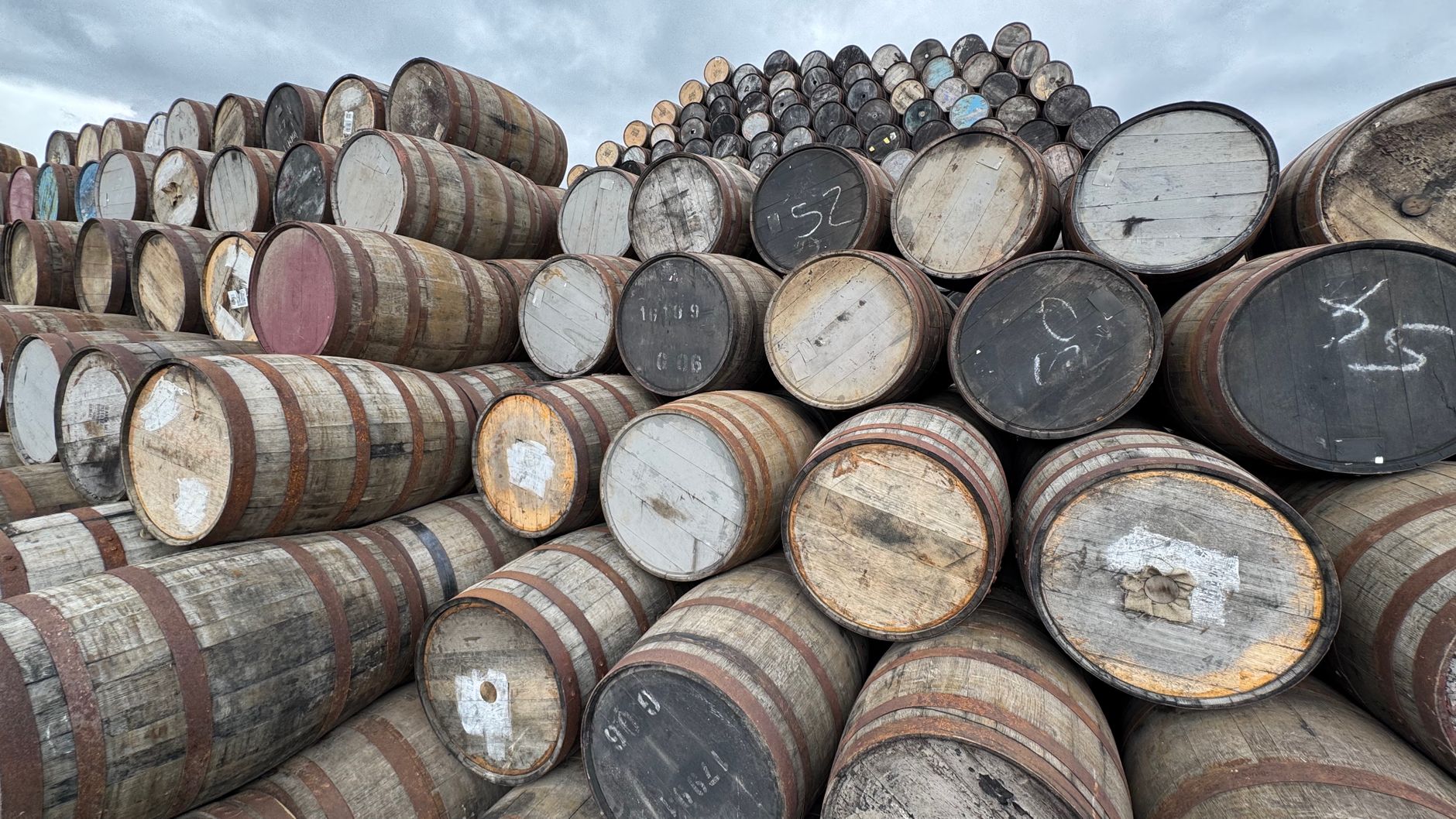
Whiskey enthusiasts often marvel at the intricacies of production, from the selection of grains to the maturation process in barrels. Understanding how much a barrel of whiskey costs can enrich your appreciation of this beloved spirit. In this guide, we will delve into various aspects of whiskey pricing, including factors that contribute to the cost, the average price of different types of whiskey barrels, and an overview of portions in which whiskey is typically served.
Whether you’re planning to purchase a barrel for a personal collection, are considering it for a special event, or are simply curious about the economics of whiskey production, this extensive look at prices and portions will provide you with the insights you need.
How Much Is a Barrel of Whiskey?
The price of a barrel of whiskey can vary greatly depending on several factors including the type of whiskey being produced, the size of the barrel, the age of the whiskey, and specific distillery practices. On average, a barrel of whiskey typically ranges from $2,000 to $10,000. However, limited edition or specialty barrels can sell for much more.
Factors Influencing the Price of a Barrel of Whiskey
Understanding why barrels of whiskey have such a wide price range requires a close examination of the manufacturing and aging process.
1. Type of Whiskey
The type of whiskey – whether it’s bourbon, rye, Scotch, or Irish – significantly affects the price. For instance:
- Bourbon: Made primarily from corn and aged in new charred oak barrels, bourbon can be more affordable compared to other types. Prices for bourbon barrels generally range from $2,000 to $7,000.
- Scotch: Scotch whiskey, often aged for a longer period and produced in specific regions in Scotland, can be priced between $3,000 and $10,000 or more, especially for aged varieties.
- Rye: A barrel of rye whiskey typically falls in the similar range of bourbon, but premium brands can push the prices higher.
2. Barrel Size and Type
The standard whiskey barrel size is 53 gallons (about 200 liters). However, there are larger barrels such as 60-gallon barrels or smaller ones like the 5-gallon barrel. Pricing is proportional to size:
- A standard 53-gallon barrel can cost between $1,500 and $5,500.
- Smaller barrels usually cost more per gallon due to the ratio of wood to liquid, so a 5-gallon barrel may range from $300 to $800.
- Occasionally, larger barrels are produced for unique aging processes or blending, and their costs can vary dramatically.
3. Age of the Whiskey
The age of the whiskey greatly influences its cost. Whiskey typically must mature for at least three years to be legally considered whiskey, but many high-end varieties age much longer:
- Whiskeys that are aged for 8 to 12 years often demand higher prices, sometimes exceeding $10,000 per barrel.
- Limited editions or rare finds that have been aged for 20 years or more can reach upwards of $20,000.
4. Distillery Practices
The reputation and practices of the distillery also play a crucial role in pricing:
- Craft distilleries focused on small-batch production may charge more for the artisanal quality of their whiskey.
- Large mass-production distilleries may offer lower prices, but this can compromise some quality aspects.
5. Market Demand and Trends
The whiskey market has seen increased demand in recent years, particularly for premium and collectible bottles. This demand can drive up sustainability costs:
- Collectible editions released by brands can lead to spirited bidding for barrels at auction, pushing prices higher.
- The growing interest in craft cocktails and whiskey tasting events also fuels this trend.
What Portions Can Be Expected from a Barrel of Whiskey?
Knowing how much whiskey a barrel yields can help you understand serving sizes for events or personal supplies. A standard 53-gallon barrel of whiskey yields approximately 280 to 300 bottles, assuming each bottle holds 750 ml.
Typical Serving Sizes
When serving whiskey, it’s important to understand common portion sizes:
- Neat or Straight: Typically, a serving of whiskey neat is about 1.5 ounces (44 ml).
- On the Rocks: When poured over ice, a drink of about 2 ounces is common.
- Cocktails: A whiskey cocktail generally requires about 2 ounces of whiskey, but can vary depending on the recipe.
Understanding Whiskey Production and Barrel Aging
The whiskey aging process is vital in developing the flavor, aroma, and color of the spirit. Here’s how it works:
1. Filling the Barrel
Once whiskey is distilled, it is filled into barrels for aging. Each barrel’s interior is charred, which contributes unique flavors like vanilla, caramel, and spice to the whiskey.
2. Maturation Process
As the whiskey sits in the barrel, it absorbs flavors from the wood and undergoes chemical reactions that enhance its overall profile. During the aging process, several factors come into play:
- Temperature fluctuation: Changes in temperature cause the whiskey to expand and contract, allowing it to seep in and out of the barrel wood.
- Environmental conditions: The air quality and humidity of the aging location significantly affect the whiskey’s flavors.
3. Bottling
Once the whiskey has reached its optimal age, it is filtered and bottled. This can also influence the final price point based on the bottling process and packaging.
Purchasing a Barrel of Whiskey
For personal consumption or investment purposes, buying a barrel of whiskey can be enticing. Here’s how to go about it:
1. Decide on Type
Start by determining what type of whiskey you would like to invest in. Consider flavor preferences, aging potential, and market trends.
2. Research Distilleries
Visit local distilleries or reputable online suppliers to find barrels that match your preferences. Collectors should seek brands known for fine quality.
3. Understand the Purchase Requirements
Buying a barrel may come with legal considerations, such as licensing and permits. Make sure you understand your local laws related to alcohol purchases before proceeding.
4. Consider Storage and Costs
After purchasing a barrel, consider where it will be stored. Proper conditions are essential for continued maturation. Storage can incur additional costs in terms of real estate or rental fees.
5. Enjoy Your Whiskey
Once you have procured your barrel, it’s time to enjoy your whiskey. You may choose to bottle it yourself or share it with friends.
Conclusion
Understanding how much a barrel of whiskey costs and what factors influence this price opens up a world of appreciation for whiskey enthusiasts. From bourbon to Scotch, the different types of whiskey, along with barrel size, age, and distillery practices, all contribute to the final price point.
Taking into account how many portions a barrel can provide gives insight into personal enjoyment or consideration for special occasions. Whether you decide to purchase a barrel for yourself or simply want to understand the economics of whiskey production, this knowledge enriches the whiskey experience significantly.
If you’re interested in exploring delicious whiskey-based cocktails, check out our Whiskey Sour Recipe or try making a refreshing Bourbon Slush Recipe. There’s much to enjoy in the world of whiskey!