
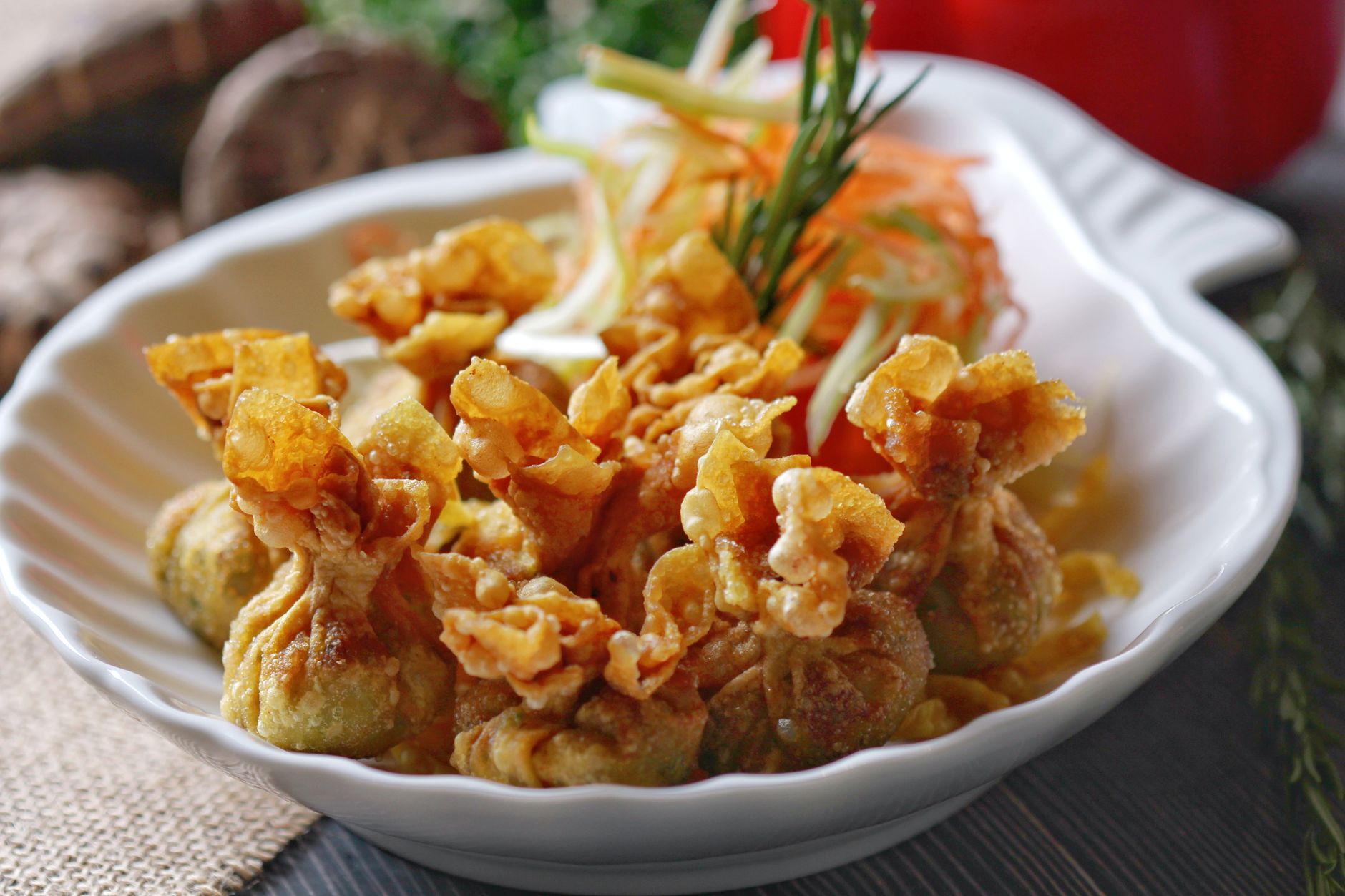
Fried wontons are a classic Asian appetizer known for their crispy texture and savory filling. These delightful treats are made by wrapping a variety of fillings in thin wonton wrappers, then deep-frying them until golden brown. They are often served with a dipping sauce, making them a popular choice in restaurants and homes alike.
The beauty of fried wontons lies in their versatility; they can be filled with meat, vegetables, or even cream cheese, allowing for countless flavor combinations. Let’s explore the ingredients, taste profile, culinary uses, and tips for making delicious fried wontons at home.
What Is a Fried Wonton?
A fried wonton is a small, thin pastry wrapper filled with a mixture of ingredients, typically including meat and vegetables, that is then deep-fried until crispy. The wonton wrapper is made from flour, water, and salt, and its light texture contrasts beautifully with the piping hot filling. Fried wontons can be enjoyed as an appetizer, snack, or even a main dish in many Asian cuisines.
Ingredients Used in Fried Wontons
To create delicious fried wontons, you will need a few key ingredients. Here’s a breakdown:
- Wonton wrappers: These thin sheets are typically made from flour and water. They are the foundation of your wontons and can be found in most grocery stores, usually in the refrigerated section.
- Filling: Common fillings include:
- Pork: Ground pork mixed with seasonings is a classic choice.
- Chicken: Ground or finely chopped chicken provides a lighter filling option.
- Vegetables: Minced vegetables such as carrots, cabbage, and green onions can add texture and flavor.
- Shrimp: Chopped shrimp can offer a seafood twist to the traditional filling.
- Cream cheese: Some recipes incorporate cream cheese for a rich, creamy filling.
- Seasonings: Soy sauce, ginger, garlic, and sesame oil are commonly used to enhance the flavor of the filling.
- Oil: For frying, vegetable oil or peanut oil is best due to their high smoke points.
Taste and Texture Profile
Fried wontons offer a delightful combination of flavors and textures. The exterior is typically crispy and golden brown, providing a satisfying crunch when bitten into. The filling is usually savory, with a mixture of umami from ingredients like meat and soy sauce, and a hint of sweetness from vegetables. The flavor profile can be adjusted based on the seasonings used, allowing for a variety of tastes, from spicy to mild.
Culinary Uses for Fried Wontons
Fried wontons are incredibly versatile in culinary applications. Here are some of their common uses:
- Appetizer: Fried wontons are a popular starter in many Asian restaurants, often served with soy sauce, sweet and sour sauce, or a chili dipping sauce.
- Main Course: When served alongside rice or noodles, fried wontons can easily be part of a more substantial meal.
- Party Snack: These bite-sized treats make perfect finger food for gatherings and parties.
- Fusion Cuisine: Chefs often experiment with fillings, creating unique combinations that blend traditional Asian flavors with Western ingredients.
How to Make Fried Wontons: A Step-by-Step Guide
Making fried wontons at home is relatively straightforward. Here’s a detailed step-by-step guide:
Yield and Timing
This recipe yields approximately 24 fried wontons. The preparation time is about 20 minutes, and the cooking time takes around 5-7 minutes. The total time for this recipe is approximately 30 minutes.
Equipment Needed
- Mixing bowl
- Spoon or small ice cream scoop
- Frying pan or deep fryer
- Slotted spoon or spider tool
- Paper towel
Ingredients List
- 24 wonton wrappers
- 1 cup ground pork (or protein of choice)
- 1/2 cup finely chopped vegetables (carrots, cabbage, and green onions)
- 2 teaspoons soy sauce
- 1 teaspoon sesame oil
- 1/2 teaspoon garlic, minced
- 1/2 teaspoon ginger, minced
- Oil for frying (vegetable or peanut)
Instructions
- Prepare the filling: In a mixing bowl, combine ground pork (or your choice of protein) with chopped vegetables, soy sauce, sesame oil, minced garlic, and minced ginger. Mix thoroughly until all ingredients are well incorporated.
- Assemble the wontons: Lay a wonton wrapper on a clean surface. Place about 1 tablespoon of filling in the center of the wrapper. Moisten the edges with water using your finger or a small brush.
- Fold the wonton: Fold the wrapper in half diagonally to form a triangle, pressing to seal the edges. For a more decorative shape, bring the two corners of the triangle together and pinch to seal.
- Heat the oil: In a frying pan or deep fryer, heat approximately 2-3 inches of oil to 350°F (175°C). Use a thermometer to ensure accurate temperature.
- Fry the wontons: Gently place the wontons in the hot oil, being careful not to overcrowd the pan. Fry for 2-3 minutes on each side until they are golden brown and crispy.
- Drain and serve: Use a slotted spoon to remove the wontons from the oil and place them on a paper towel-lined plate to absorb excess oil. Serve hot with your choice of dipping sauce.
Common Mistakes and Troubleshooting
While making fried wontons is relatively simple, here are some common pitfalls and how to avoid them:
- Wrappers cracking: Ensure that the wonton wrappers are kept covered with a damp cloth while you work to prevent drying out, which can lead to cracking.
- Filling spillage: Do not overfill the wrappers, as too much filling can cause them to burst during frying.
- Oily texture: If the wontons absorb too much oil, ensure the oil temperature is adequate (around 350°F). Also, drain them well on paper towels after frying.
- Fried wontons are soft: This may happen if the oil was not hot enough. Always use a thermometer to monitor the oil temperature.
Substitutions and Variations
Fried wontons can easily be customized based on dietary preferences or ingredient availability. Here are some substitutions and variations:
- Protein Options: Substitute ground chicken with ground beef, turkey, or tofu for a vegetarian option.
- Vegetable Variations: Incorporate other vegetables like bell peppers, mushrooms, or bean sprouts for different textures and flavors.
- Vegan Wontons: Use mashed beans or tempeh along with vegetables to create a filling that is entirely plant-based.
- Spicy Wontons: Add chopped chili peppers or red pepper flakes to the filling for a kick of heat.
Storage and Reheating
Fried wontons are best enjoyed fresh but can be stored for short periods:
- Storage: Store any leftover wontons in an airtight container in the refrigerator for up to 3 days.
- Reheating: To reheat, place them in an air fryer or oven (at 350°F) for a few minutes to regain crispiness. Avoid using a microwave, as this will make them soggy.
Serving Suggestions
Fried wontons can be served with a variety of dipping sauces. Here are some popular options:
- Soy sauce: A classic choice that enhances the savory flavors of the wonton.
- Sweet and sour sauce: Adds a tangy contrast and complements the richness of the filling.
- Chili oil or sauce: For those who enjoy heat, this adds a delicious kick.
- Peanut sauce: Provides a creamy and nutty flavor that pairs well with many fillings.
Cultural Context and History
The wonton is a staple in Chinese cuisine, with its origins tracing back centuries. Traditionally, wontons were often served in soups or as part of festive meals. The method of frying wontons became popular in various regions, especially in American and Chinese-American cuisines, where deep-fried versions emerged as a beloved appetizer. Today, fried wontons can be found in various forms and flavors, adapting to the tastes of different cultures.
Fried wontons are more than just a snack; they represent a culinary tradition that spans cultures and flavors. With their crispy exterior and savory fillings, they are a testament to the creativity found in cooking. Whether you are making them for a casual snack or a festive gathering, they are sure to delight your guests.
Now that you have all the information on fried wontons, why not give a try at making Cream Cheese Rangoon? Or explore a variety with this Cream Cheese Wonton recipe? Each offers a unique twist on the classic fried wonton experience!