
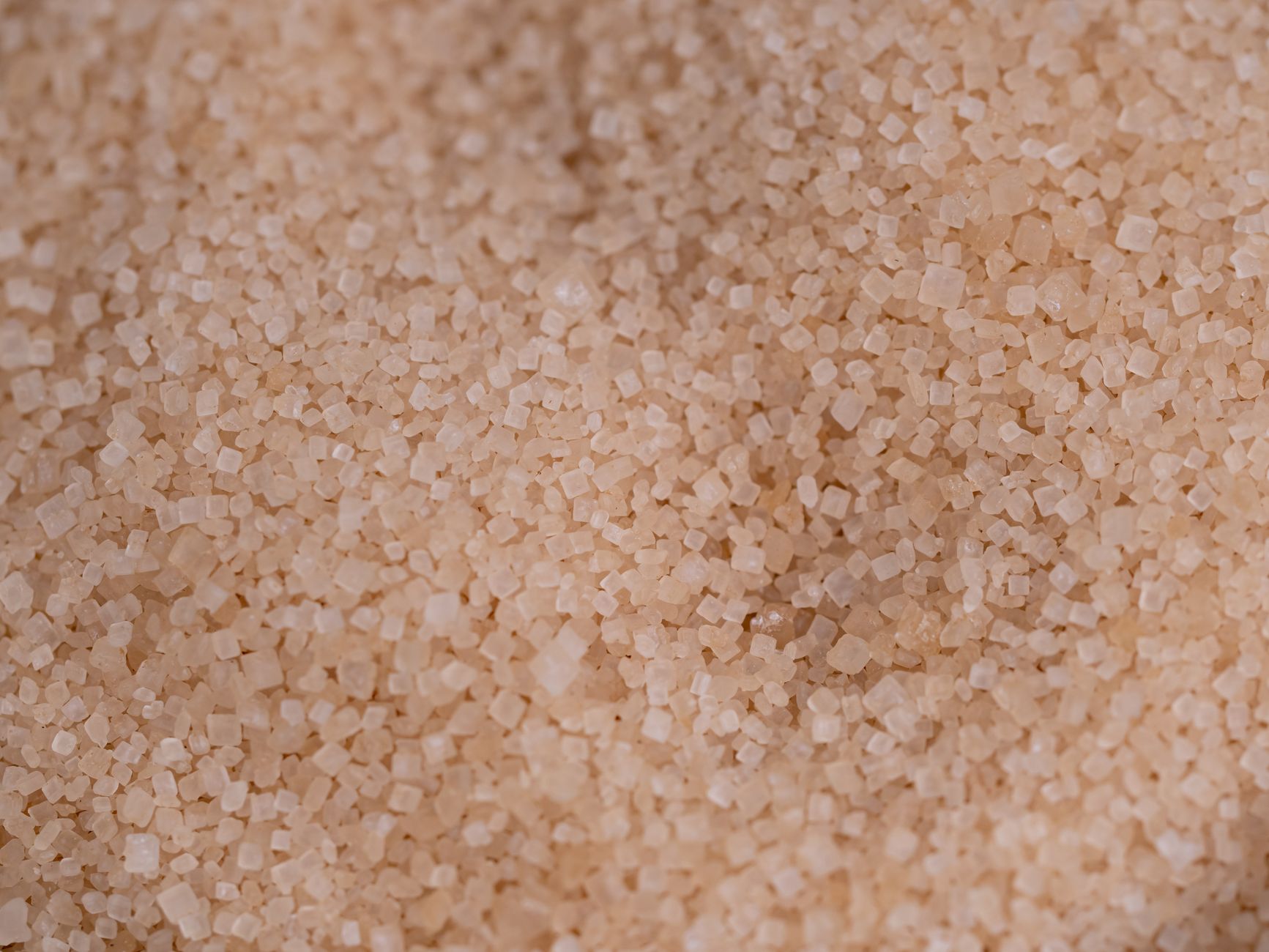
Determining whether pure cane sugar is healthy involves understanding its nutritional profile, how it compares to other sugar types, and its effects on health when consumed in moderation. As a common ingredient in many recipes, its role in cooking and baking also merits discussion. This article provides insights into what pure cane sugar is, its potential health benefits, and considerations when consuming it.
With the rise of health-conscious eating, it’s essential to explore both the uses and implications of incorporating pure cane sugar into your diet. Knowledge about sugar can help you make informed decisions about the foods you choose to create and consume.
Is Pure Cane Sugar Healthy?
Pure cane sugar can be part of a healthy diet when consumed in moderation. It provides a quick source of energy and can enhance the flavor of various dishes. However, excessive consumption may lead to health issues such as obesity and diabetes. Understanding its nutritional aspects is crucial to making healthy choices.
What is Pure Cane Sugar?
Pure cane sugar is derived from the sugarcane plant, a tall perennial grass. The sugar is extracted through a process of crushing the cane and filtering the juice, which is then evaporated to crystallize the sugar. Unlike high-fructose corn syrup or refined sugars, pure cane sugar retains some of the original minerals and micronutrients from the sugarcane, although the amounts are minimal.
Commonly found in both granulated and powdered forms, pure cane sugar is widely used in kitchens around the world. Its distinct sweetness makes it an excellent ingredient for various culinary applications, from baking to sweetening beverages.
Nutritional Profile of Pure Cane Sugar
When considering if pure cane sugar is healthy, it’s essential to look at its nutritional content. One teaspoon (about 4 grams) of pure cane sugar typically contains:
- Calories: 15
- Carbohydrates: 4 grams
- Sugars: 4 grams
- Protein: 0 grams
- Fat: 0 grams
While it has no protein or fat content, it does provide a quick source of carbohydrates which can be beneficial as a short-term energy boost. However, beyond its caloric content, pure cane sugar offers little nutritional value.
Potential Health Benefits of Pure Cane Sugar
Quick Energy Source
Since pure cane sugar is composed mainly of simple carbohydrates, it breaks down quickly in the body, providing immediate energy. This can be particularly useful for athletes or individuals engaging in intense physical activity who need a quick boost.
Natural Sweetener
Pure cane sugar is a natural sweetener that can replace artificial sweeteners or chemically processed sugars in certain recipes. For those who prefer to avoid synthetic ingredients, pure cane sugar can be a more wholesome choice.
Flavor Enhancer
In cooking and baking, pure cane sugar enhances the flavor profile of various dishes. It can balance acidity in sauces, enrich the taste of desserts, and provide texture in baked goods. Its versatility makes it a valuable ingredient in culinary practices.
Health Considerations
Moderation is Key
The primary health concern associated with pure cane sugar is the impact of excessive consumption. Regularly consuming large amounts of sugar can lead to weight gain, increased risk of heart disease, and developing type 2 diabetes. Therefore, moderation is crucial to maintaining overall health.
Not a Substitute for Nutrients
Although pure cane sugar can provide quick energy, it doesn’t offer any essential vitamins or minerals. Relying on it as a primary source of energy can displace more nutritious foods from your diet, leading to nutritional deficiencies over time.
Impact on Dental Health
Like all sugars, pure cane sugar can contribute to tooth decay. Bacteria in the mouth feed on sugar, producing acid that erodes tooth enamel. Regular dental hygiene is essential for those who consume sugar to mitigate this risk.
How to Use Pure Cane Sugar in Cooking and Baking
Baking
When it comes to baking, pure cane sugar is often used for sweetness, texture, and color. Here’s a brief overview of how it impacts baked goods:
- Sweetness: Pure cane sugar enhances the flavor and sweetness of cakes, cookies, and pastries.
- Texture: It contributes to moistness and tenderness. Sugar helps retain moisture in baked products.
- Color: During baking, sugar caramelizes, giving a golden-brown color to cookies and cakes.
Cooking
In cooking, pure cane sugar can be used in various ways:
- Marinades and Sauces: Sugar balances acidity, enhancing flavors in barbecue sauces or salad dressings.
- Preserving: When making jams, pure cane sugar helps in preserving fruit for a longer shelf life.
- Flavored Beverages: It can sweeten teas, lemonades, and sodas for a refreshing taste.
Common Substitutes for Pure Cane Sugar
If you’re looking to reduce or alter your sugar intake, there are several substitutes that can be used in place of pure cane sugar. Here are some options along with their effects on flavor and texture:
- Honey: A natural sweetener with a distinct flavor profile—great for baking but may affect the moisture of the final product.
- Maple Syrup: Provides a unique flavor and is less sweet than sugar; you may need to adjust liquids in the recipe.
- Coconut Sugar: Similar in taste and texture to brown sugar, it retains some nutrients but can impart a slightly different flavor.
- Stevia: A calorie-free alternative derived from the stevia plant; keep in mind it is much sweeter than pure cane sugar.
Common Mistakes When Using Pure Cane Sugar
Overusing Sugar
A common mistake is adding too much sugar, which can overpower the dish’s flavor rather than enhance it. It is best to start with less and taste as you go to ensure a balanced flavor.
Assuming All Sugars are Equal
Not all sugars behave the same way in recipes. Pure cane sugar performs differently than brown sugar, honey, or artificial sweeteners, affecting texture and moisture content. Always understand the sugar’s role in your specific recipe.
Storage of Pure Cane Sugar
Proper storage of pure cane sugar is essential to prevent it from clumping or absorbing moisture. Here are some storage tips:
- Store in a cool, dry place in an airtight container.
- Avoid exposure to humidity, which can cause clumping.
- Keep away from strong odors to prevent the sugar from absorbing them.
Reheating and Cooking Tips
When reheating dishes that contain sugar, try to do so gently to avoid burning or caramelizing the sugar too much. This can alter the original flavor profile and texture of your dish. Use low heat and monitor closely.
Conclusion
Pure cane sugar can be a delightful addition to various dishes when enjoyed in moderation. While it provides quick energy and enhances flavor, it’s crucial to be mindful of its potential impact on health when consumed excessively. Balance it with nutritious foods and be aware of alternatives to tailor your diet to your preferences and health goals.
Ready to explore more culinary options? Check out our recipes for Brown Sugar Syrup and Vanilla Simple Syrup for delicious ways to incorporate sweetness into your meals!