
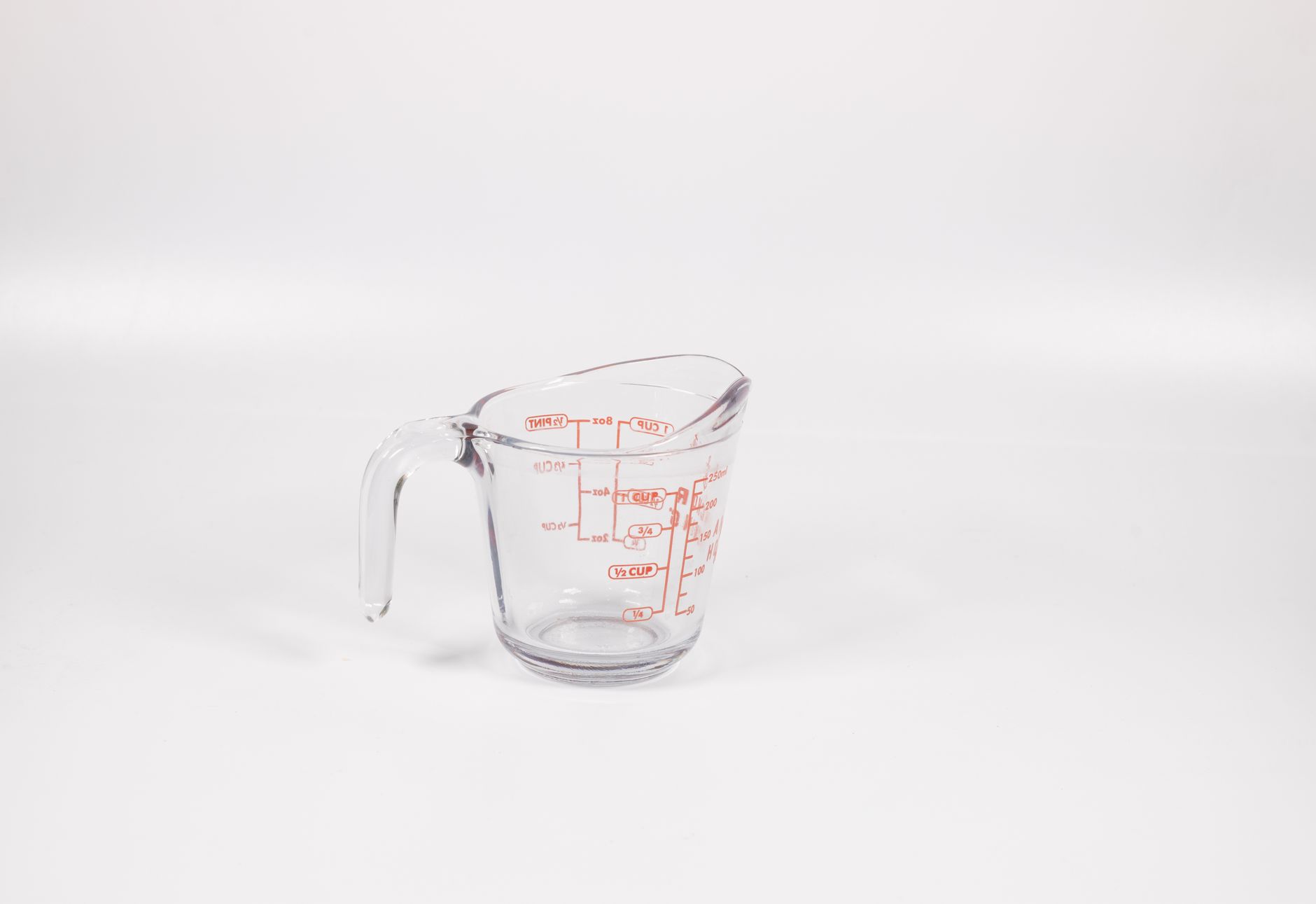
When cooking or baking, precision in measurements is crucial for achieving the desired flavors and textures. One commonly used measurement in both cooking and baking is the pint. This article will explore the conversion of one pint into cups, practical tips for measuring, and why understanding these conversions can elevate your culinary skills.
Whether you are following a recipe or improvising in the kitchen, knowing how to convert pints to cups can save time and prevent potential recipe mishaps. Below, we will dive into the specifics of this measurement along with helpful insights for your cooking endeavors.
What Is One Pint in Cups?
One pint is equal to two cups. This conversion is essential to know, especially when working with recipes that use different volume measurements. Understanding this relationship helps ensure precision in ingredient amounts, leading to better cooking and baking outcomes.
Measuring Pints and Cups Accurately
Accurate measuring can significantly impact the success of a recipe. Here are some tips and best practices for measuring pints and cups in your kitchen:
- Use the Right Tools: Invest in a good set of liquid measuring cups, which typically have a spout and graduated markings. For dry ingredients, use dry measuring cups, which are designed to be filled without the need for pouring.
- Check for Level: When measuring dry ingredients, use a straight edge (like a knife or spatula) to level off the top of your measuring cup for consistency.
- Pour to the Line: For liquid measuring, pour the ingredient into the measuring cup until it reaches the desired line, ensuring that your eyes are level with the measuring cup for accuracy.
- Use a Scale if Necessary: In precise baking scenarios, using a kitchen scale to measure ingredients by weight can lead to more consistent results than using volume measurements.
Common Cooking and Baking Ingredients Measured in Pints
Pints are often used for measuring various ingredients. Here’s a look at some common items:
- Liquids: Milk, cream, stock, and broth are frequently measured in pints.
- Produce: Certain recipes may call for fruits and vegetables like berries or tomatoes, which can be proportionally measured in pints.
- Cooked Grains: Cooked rice or quinoa is sometimes measured in pints, particularly when used in larger recipes.
When to Use Pints vs. Cups in Recipes
Choosing between pints and cups typically depends on the recipe and the ingredient:
- For Liquids: Use pints for larger quantities, particularly in soups, stews, and beverages to simplify measurement.
- For Dry Ingredients: Cups are often sufficient for smaller quantities of flour or sugar, while larger recipes like bulk baking may warrant pints.
Common Recipes Using Pints
Many recipes will call for ingredients measured in pints. Here are a few examples:
- Soups and Stews: Recipes might ask for pints of broth or stock, like a hearty chicken soup.
- Fruit Salads: A refreshing summer fruit salad might use a pint of mixed berries.
- Homemade Sauces: When making larger quantities of marinara sauce or barbecue sauce, pints are a practical measurement for tomatoes or sauces.
Ingredient Substitutions
In cooking, sometimes you may not have a specific ingredient on hand. Here’s how to substitute ingredients based on pint to cup conversions:
- Substituting Liquids: If you run out of milk, you can often use an equal measurement of unsweetened almond milk or oat milk. For example, use 1 pint of almond milk in place of 1 pint of regular milk.
- Flavor Enhancers: If a recipe needs 1 pint of stock and you only have bouillon cubes, dissolve the cube in an equal amount of water to make 1 cup each. You might need to adjust the flavor strength according to taste.
Common Mistakes When Measuring Pints and Cups
Measuring inaccurately can lead to disappointing results. Here are some common mistakes to watch out for:
- Using the Wrong Type of Cup: Make sure to use liquid measuring cups for liquids and dry measuring cups for solids to prevent errors.
- Eyeballing Measurements: Relying on estimates can lead to improper ratios. Always measure for accuracy.
- Ignoring Conversion Tables: Not converting correctly isn’t just a minor oversight. It can drastically change your dish’s taste and texture.
Understanding Volume and Weight in Cooking
Cooking also entails understanding the difference between volume and weight measurements:
- Volume: Measured in cups, pints, quarts, and gallons, volume is how much space an ingredient occupies.
- Weight: Measured in grams or ounces, weight indicates how heavy the ingredient is. Ingredients can have varying densities, meaning a pint of flour does not weigh the same as a pint of water.
Tips for Converting Between Volume and Weight
If you need to convert pints to weight or vice versa, consider the following:
- Use online conversion tools or kitchen apps designed for precise measurements.
- Weigh your ingredients for maximum accuracy, especially for baking where precision is key.
Storage and Reheating Tips for Ingredients Measured in Pints
After cooking or preparing larger quantities, proper storage and reheating techniques can help maintain the quality of your dishes:
- Storage: Store any remaining liquids or cooked ingredients in airtight containers in the refrigerator. Label with the date and use within a few days.
- Reheating: When reheating soups or sauces, do so on medium heat in a pot, stirring occasionally until heated through. Avoid high heat, which can cause separation.
The Importance of Consistency in Measurements
Consistency in measurements is vital in ensuring that your culinary creations come out as intended every time. Using standardized measuring tools can make your cooking experience smoother and yield repeatable results. Here are a couple of points to bear in mind:
- Standardization: Use standardized cup measurements (like 250 ml or 8 oz) to avoid discrepancies between different measuring cups.
- Recipe Testing: While home cooks often make adjustments, following it to the letter, especially in baking, will yield the best results.
Practical Applications of Knowing Pints to Cups Conversion
Understanding how to convert pints to cups is not just for academic purposes: it has real-world applications in meal prep, catering, and home cooking. Here are some scenarios:
- Meal Prep: When preparing meals for the week, knowing these conversions helps you scale recipes economically.
- Catering Events: For larger gatherings, being adept at converting measurements can ensure quantities are adequate and prevent food waste.
Conclusion and Next Steps
Familiarizing yourself with cooking measurements is an essential skill for any home chef. Converting pints to cups not only aids in accurate measuring but also enriches your culinary confidence. Remember, practice makes perfect; the more you measure, the better you’ll become at intuitively knowing ratios.
For more insights on measuring ingredients, check out guides on how many cups of water for 1 cup of rice or how much applesauce equals one egg. Both articles provide useful information to enhance your recipes and ensure delicious results.
Explore related recipes, cooking tips, or food guides to continue enhancing your kitchen knowledge.