
The health of your bladder can be influenced by several dietary choices. Understanding which foods may irritate the bladder can help manage symptoms for those with urinary conditions or sensitivities. This article explores what foods to be mindful of and offers guidance on alternatives that can maintain a healthy diet.
Among individuals experiencing bladder discomfort, certain foods are notorious for causing irritation. This can result in increased urgency, frequency of urination, and even pain. Let’s delve into these foods and how they affect the bladder.
What Foods Irritate the Bladder?
Certain foods are known to irritate the bladder due to their acidity, caffeine, or other properties. Common irritants include acidic fruits, spicy foods, caffeine, artificial sweeteners, and alcohol. These foods can aggravate symptoms in susceptible individuals, particularly those with interstitial cystitis or overactive bladder.
Acidic Foods
Foods with high acidity can directly irritate the bladder lining. Here are some common acidic foods to consider:
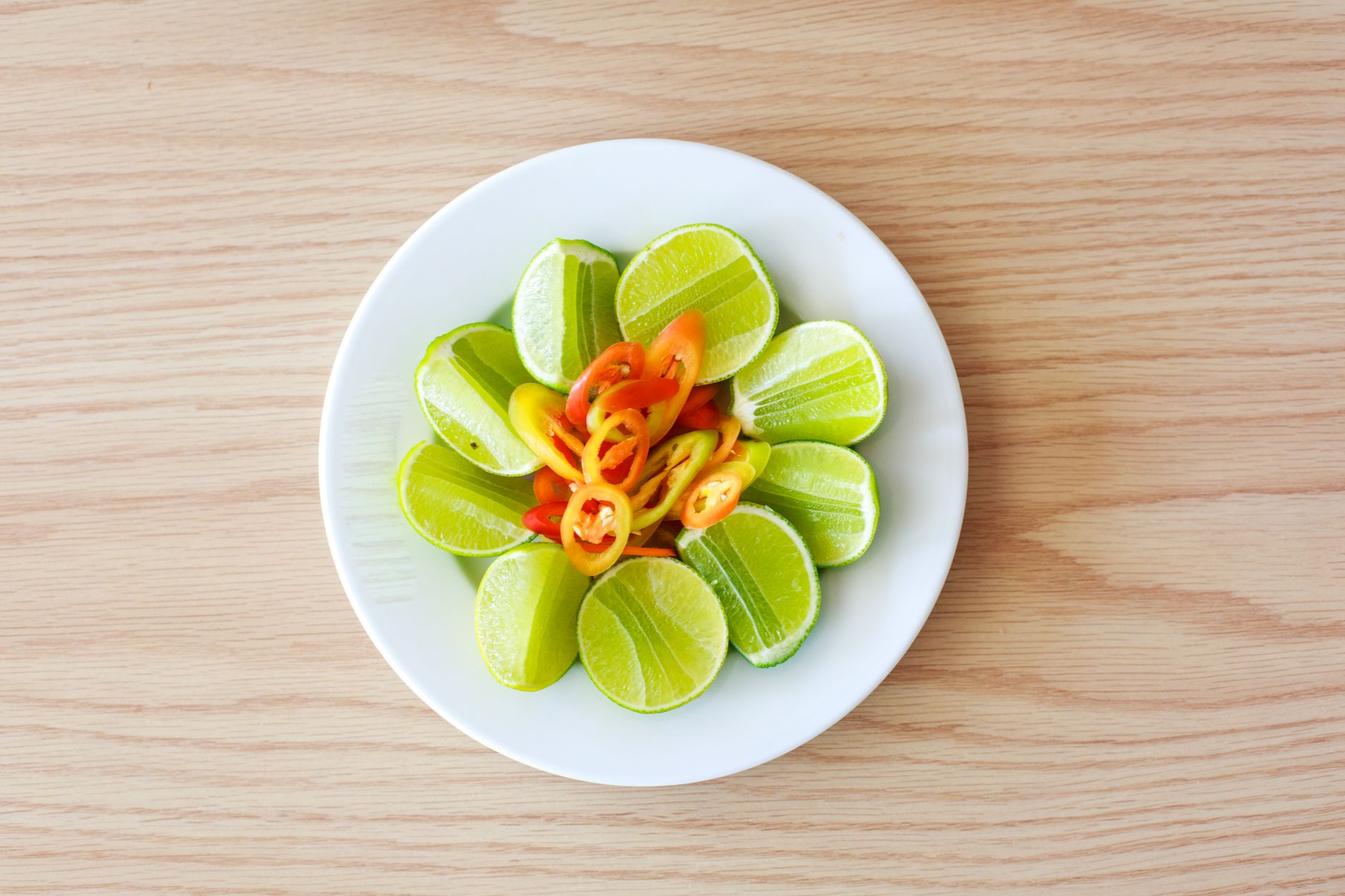
- Citrus fruits (oranges, lemons, limes, grapefruits)
- Tomatoes and tomato-based products (sauces, ketchup)
- Vinegar
- Pickles
These foods can lead to discomfort for many individuals. If you suspect that acidic foods may be causing your bladder issues, consider eliminating them from your diet and observe any changes.
Spicy Foods
Spicy ingredients can also worsen bladder irritation. Chili peppers and other spices may contribute to a burning sensation during urination for sensitive individuals. Common spicy foods include:
- Chili peppers
- Curry powders
- Hot sauces
- Black pepper
If spice is a staple in your diet, try milder alternatives or reduce the amount used in your meals. Experimenting with herbs such as basil, oregano, or thyme can add flavor without the heat.
Caffeine and Stimulants
Caffeine is a well-known bladder irritant. It is found in a variety of beverages and foods. Limiting caffeine can lead to reduced bladder irritation. Sources of caffeine include:
- Coffee
- Tea (especially black and green tea)
- Soft drinks
- Energy drinks
A great alternative is herbal tea, which is often caffeine-free. Experimenting with chamomile, peppermint, or rooibos teas can provide soothing options without triggering bladder symptoms.
Alcohol
Alcohol can irritate the bladder and lead to increased urinary frequency. This can be particularly problematic for individuals with bladder sensitivities. Common alcoholic beverages that may affect the bladder include:
- Beer
- Wine
- Spirits
If you enjoy alcoholic beverages, consider moderation or seek out non-alcoholic alternatives. Many companies offer non-alcoholic beers or wines that can provide a similar experience without the irritants.
Artificial Sweeteners
Some artificial sweeteners can provoke bladder irritation as well. While they may be calorie-free alternatives to sugar, they can stimulate bladder activity. Common culprits include:
- Aspartame
- Saccharin
- Sorbitol
Be mindful of foods that contain these sweeteners, especially in diet sodas and sugar-free gum. Opting for natural sweeteners such as honey or pure maple syrup could provide a safer alternative.
Processed Foods
Processed and packaged foods may contain a blend of irritants, including artificial additives, preservatives, and excess sodium. These ingredients may exacerbate bladder symptoms. Foods to watch out for include:
- Packaged snacks (chips, crackers)
- Processed meats (hot dogs, deli meats)
- Instant meals and sauces
Cooking fresh meals using whole ingredients can be a healthier choice for both your bladder and overall health. Focus on incorporating whole grains, lean proteins, and a variety of vegetables into your meals.
Foods That Promote Bladder Health
Part of managing bladder irritation is also incorporating foods that can promote a healthy bladder. Here are some beneficial options:
- Berrries (blueberries, cranberries)
- Leafy greens (spinach, kale)
- Whole grains (brown rice, quinoa)
- Nuts and seeds (almonds, chia seeds)
The fiber in these foods supports digestive health, which can play a role in bladder function. Berries, especially cranberries, have long been associated with urinary tract health.
Mindful Eating Practices
Beyond mindful food choices, consider adopting mindful eating practices to help manage bladder irritation:
- Keep a food diary: Track what you eat and any symptoms you experience. This can help identify specific trigger foods.
- Stay hydrated: Drinking plenty of water dilutes urine, which can reduce irritation.
- Eat smaller meals: Large meals can put pressure on the bladder, so consider smaller, more frequent meals.
By understanding your body and its triggers, you can develop a balanced diet that minimizes bladder irritation while still enjoying a variety of foods.
Practical Tips for Avoiding Bladder Irritation
Implementing lifestyle changes and practical tips can further help manage bladder irritation:
- Choose low-acid fruits: Opt for bananas, melons, and apples instead of citrus.
- Limit high-sugar foods: Excess sugar can cause inflammation, leading to possible irritation.
- Practice good hydration: Aim for 6-8 glasses of water a day while being mindful of fluid intake before bed to reduce nighttime trips to the bathroom.
Adjusting these habits can lead to improved bladder health. Listening to your body will guide your dietary choices.
Common Mistakes to Avoid
With dietary changes, it’s easy to make some common mistakes. Here are a few to be aware of:
- Excessive hydration: While staying hydrated is crucial, overhydration can lead to frequent urination.
- Ignoring added ingredients: Check labels for hidden irritants in processed foods.
- Neglecting personal triggers: Just because something may be generally irritating doesn’t mean it affects everyone the same way; listen to your own body’s responses.
By avoiding these mistakes and staying aware of how your body responds, you can make effective changes for your overall bladder health.
Meal Planning for Bladder Health
Creating a balanced meal plan can ease food decisions while considering bladder health. Here is a sample meal plan:
| Meal | Options |
|---|---|
| Breakfast | Oatmeal topped with bananas and chia seeds |
| Lunch | Grilled chicken salad with spinach, cucumbers, and a light olive oil dressing |
| Dinner | Quinoa bowl with roasted vegetables and nuts |
| Snack | Carrot sticks with hummus |
This meal plan consists of whole, nutritious foods that are less likely to irritate the bladder while providing essential vitamins and minerals.
Conclusion
Managing bladder irritation often comes down to understanding your dietary choices. Identifying and minimizing foods that irritate the bladder can lead to significant improvements in comfort. By focusing on a balanced diet rich in whole foods, you can support better bladder health.
Explore more tips and recipes to maintain a healthy diet. For instance, learn about the healing properties of different ingredients at what is nightshade or discover the benefits of superfoods like chia seeds at what are the benefits of chia seeds. Understanding your food is key to achieving a balanced diet!