
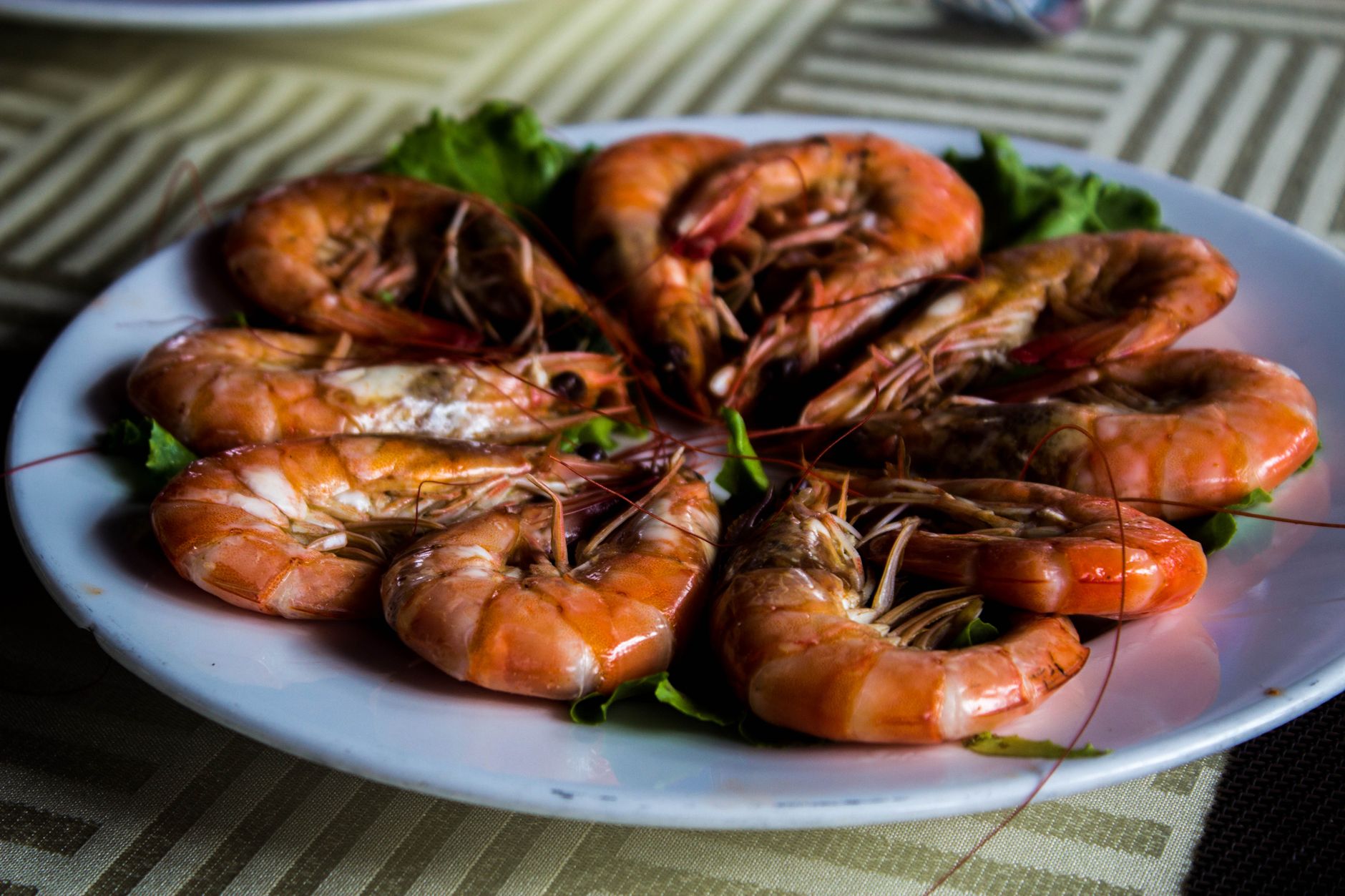
Shrimp is a beloved seafood ingredient known for its versatility, flavor, and quick cooking times. However, there is an ongoing debate about its health implications, which can lead consumers to question, “Is shrimp unhealthy?” Understanding the nutritional profile, recommendations for portion sizes, and considerations for sourcing shrimp can help clarify whether it should have a place in your diet.
In exploring the question of shrimp’s health impact, we will also cover its nutritional benefits, potential risks, and recommendations on how to incorporate it safely into your meals.
Is Shrimp Unhealthy?
Overall, shrimp is a highly nutritious food that is low in calories and high in protein. When consumed in moderation, it is generally considered healthy for most people. However, factors such as sourcing, preparation methods, and individual dietary needs can influence its health implications.
Nutritional Profile of Shrimp
Shrimp is low in calories while being a rich source of essential nutrients. Here is a breakdown of the nutritional content for a 3-ounce (85-gram) serving of cooked shrimp:
- Calories: 84
- Protein: 18 grams
- Fat: 1 gram
- Carbohydrates: 0 grams
- Cholesterol: 166 milligrams
- Sodium: 605 milligrams
- Omega-3 Fatty Acids: 0.24 grams
These nutrients showcase shrimp’s protein content, which is substantial and supports muscle development and repair, making it appealing for many dietary patterns. Additionally, shrimp contains several important vitamins and minerals, including:
- Vitamin B12
- Iodine
- Selenium
- Iron
Health Benefits of Shrimp
Beyond its appealing taste, shrimp offers several health benefits:
High in Protein
With its high protein content, shrimp can help support muscle mass and reduce hunger, contributing to a well-balanced diet. Protein also plays a crucial role in repairing tissues and producing enzymes and hormones.
Low in Calories
For those managing their weight, shrimp is a low-calorie option that can add variety and flavor to meals without adding excessive calories.
Contains Nutrients
Shrimp’s high content of essential nutrients, like vitamin B12 and selenium, contribute to overall health. Vitamin B12 is important for neurological function and the production of DNA, while selenium acts as an antioxidant, protecting cells from damage.
Potential Risks of Eating Shrimp
While shrimp offers various benefits, several potential concerns merit consideration:
Cholesterol
Shrimp is naturally high in cholesterol content, which can be a concern for some individuals. The American Heart Association suggests that while dietary cholesterol may not significantly impact blood cholesterol levels for most people, it’s still essential to monitor intake. If you have high cholesterol or heart disease, discussing your dietary options with a healthcare professional is advisable.
Sodium Content
Many commercially processed shrimp products, particularly those that are pre-cooked or brined, can contain added sodium. High sodium intake can contribute to hypertension and cardiovascular diseases. When selecting shrimp, consider opting for fresh or frozen shrimp without seasoning or brine to minimize sodium consumption.
Potential Contaminants
All seafood can be subject to contamination, and shrimp is no exception. Concerns include:
- Antibiotics: Farmed shrimp may be treated with antibiotics, which raises concerns about antibiotic resistance and health implications.
- Heavy Metals: Shrimp, like many fish, can accumulate heavy metals such as mercury. It’s essential to be mindful of the source when choosing shrimp.
- Pesticides: Farmed shrimp may come from aquaculture environments where pesticides are used, posing additional health risks.
How to Choose Healthy Shrimp
Making informed decisions when purchasing shrimp can enhance its healthfulness:
Fresh vs. Frozen
Fresh shrimp is often favored for its taste, but frozen shrimp is usually just as nutritious if properly handled. Each option has advantages:
- Fresh Shrimp: Ensure it has a clean, mild odor and firm texture. Avoid shrimp with a strong fishy smell or an overly soft texture.
- Frozen Shrimp: Look for shrimp that was frozen shortly after being harvested to retain their freshness and nutritional value.
Wild-Caught vs. Farmed
Choose wild-caught shrimp when possible, as they generally have fewer contaminants compared to farmed varieties. However, sustainability concerns should also influence your choice. Look for shrimp certified by organizations such as the Marine Stewardship Council (MSC) to ensure that it’s sourced responsibly.
Recommended Portions of Shrimp
The recommended serving size for shrimp typically falls between 3 to 6 ounces, depending on the overall composition of your meal. Pair shrimp with a variety of vegetables, whole grains, or healthy fats to create a balanced dish.
Serving Suggestions
Incorporating shrimp into your diet can be achieved in various ways. Here are a few ideas:
- Grilled Shrimp Tacos: Grilled shrimp served in corn tortillas with fresh veggies and a yogurt-based sauce can create a nutritious meal.
- Shrimp Stir-Fry: Sauté shrimp with a mix of colorful vegetables and serve over brown rice or quinoa for a quick, healthy meal.
- Shrimp Salad: Chilled shrimp mixed with leafy greens, citrus, and avocado is refreshing and nutrient-dense.
Cooking Techniques for Shrimp
Cooking shrimp correctly is vital to prevent it from becoming rubbery or overcooked. Here are some popular techniques:
Sautéing
Sautéing shrimp allows for quick cooking with minimum oil. Heat a skillet over medium-high heat, add a tablespoon of oil, and cook the shrimp for 2-3 minutes on each side, or until they turn pink and opaque. Be cautious not to overcook shrimp, as it can become tough.
Grilling
Grilling shrimp adds smoky flavor. Marinate shrimp before grilling and use a grill pan or skewers to prevent smaller shrimp from falling through the grates. Grill on medium-high heat for about 2-3 minutes per side.
Boiling
Boiling is an excellent technique for quickly cooking shrimp. Bring a pot of salted water to a boil, add the shrimp, and cook until they turn pink and opaque, usually around 2-3 minutes. This method is ideal for making shrimp salad or cocktail.
Common Mistakes When Cooking Shrimp
Awareness of common pitfalls can help improve your shrimp dishes:
- Overcooking: Remove shrimp from heat as soon as they are opaque, as they continue cooking after being removed from the heat.
- Neglecting to Thaw: If using frozen shrimp, ensure they are thawed completely before cooking to ensure even cooking.
- Inconsistent Sizing: Try to use shrimp that are similar in size for more uniform cooking results.
Make-Ahead and Storage
If you plan to prepare shrimp dishes in advance, consider these tips:
- Preparation: Cooked shrimp can be stored in the refrigerator for 3-4 days, allowing for meal prep benefits.
- Freezing: If you have leftover cooked shrimp, it can be frozen for up to 3 months. Ensure it’s airtight to avoid freezer burn.
Conclusion
While shrimp is a nutrient-dense ingredient with numerous health benefits, it’s essential to consume it mindfully. Opting for responsibly sourced shrimp and paying attention to dietary recommendations can help incorporate it into a balanced diet. When prepared properly, shrimp can be a delicious and healthy addition to various dishes.
For delicious ways to enjoy shrimp, check out our creamy coconut shrimp recipe and explore the flavors in our shrimp curry recipe.