
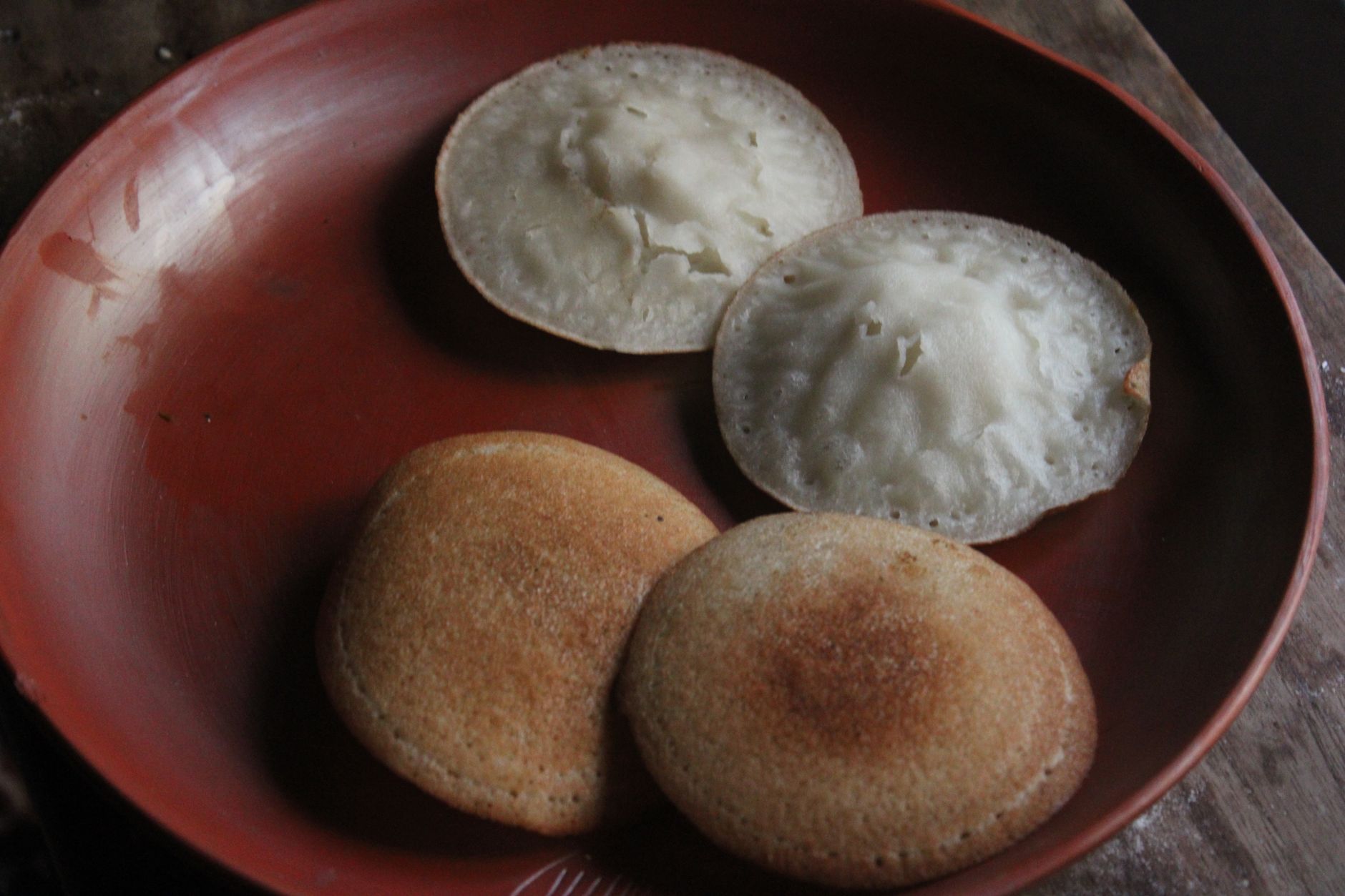
Coconut flour has gained popularity as a gluten-free and low-carb alternative in various recipes, but for those with sensitive digestive systems, it is essential to determine whether it’s suitable for a low FODMAP diet. High FODMAP foods can lead to discomfort for people with irritable bowel syndrome (IBS) and other digestive issues, making ingredient selection crucial.
This article will explore the properties of coconut flour, its nutritional profile, and whether it meets the requirements of a low FODMAP diet. We’ll also provide practical tips for using coconut flour in your cooking and baking endeavors.
Is Coconut Flour Low FODMAP?
Coconut flour is considered low FODMAP when consumed in moderation. Research indicates that coconut flour contains low levels of oligosaccharides, which are one of the categories of FODMAPs that can trigger digestive issues. This quality makes coconut flour a usable ingredient for those following a low FODMAP diet, but it’s important to pay attention to serving sizes.
Coconut Flour: Nutritional Profile
To understand how coconut flour fits into your diet, it is helpful to analyze its nutritional content. Coconut flour is derived from dried coconut meat and has unique properties compared to regular flours.
Key Nutrients in Coconut Flour
- Fiber: Coconut flour is rich in dietary fiber, which contributes to overall digestive health.
- Protein: It contains moderate protein content, making it a better option than many other gluten-free alternatives.
- Fat: Coconut flour has a certain amount of healthy fats, primarily saturated fats from medium-chain triglycerides (MCTs).
- Carbohydrates: The carbohydrate content is lower than wheat flour, making it a popular choice for low-carb diets.
Macronutrient Breakdown
Here’s a general overview of the macronutrient content in a 1/4 cup (around 30g) serving of coconut flour:
| Nutrient | Amount |
|---|---|
| Calories | 120 kcal |
| Protein | 4g |
| Fat | 4g |
| Carbohydrates | 16g |
| Fiber | 10g |
How to Use Coconut Flour
Coconut flour can be a fantastic substitute in various recipes, but it behaves quite differently compared to all-purpose flour. Understanding how to use coconut flour effectively is crucial for achieving desired results in your culinary endeavors.
Substituting Coconut Flour in Recipes
When substituting coconut flour for all-purpose flour, follow these guidelines:
- Coconut flour is highly absorbent, meaning you need less of it compared to traditional flour. A general rule of thumb is to use about 1/4 to 1/3 cup of coconut flour for every cup of all-purpose flour.
- Since coconut flour absorbs more liquid, you’ll need to add extra moisture. For every cup of coconut flour used, include one extra egg or a corresponding amount of a liquid ingredient to maintain texture.
- To improve the texture in baked goods, consider adding a binding agent such as xanthan gum or psyllium husk.
Low FODMAP Recipe Ideas Using Coconut Flour
Incorporating coconut flour into your cooking can lead to delicious creations that align with a low FODMAP diet. Here are some recipes that utilize coconut flour effectively while keeping the FODMAP levels in check:
Coconut Flour Pancakes
Coconut flour pancakes are fluffy and full of flavor without the digestive distress. Here’s a simple recipe.
Yield:
Serves 2 (4 small pancakes)
Preparation Time:
5 minutes
Cooking Time:
10 minutes
Total Time:
15 minutes
Ingredients:
- 1/4 cup coconut flour
- 1 tsp baking powder
- 1/4 tsp salt
- 2 large eggs
- 1/2 cup almond milk (or any low FODMAP milk alternative)
- 1 tbsp maple syrup or stevia (optional)
Essential Equipment:
- Mixing bowl
- Whisk
- Frying pan or griddle
- Spatula
Method:
- In a mixing bowl, combine coconut flour, baking powder, and salt, and mix well.
- In a separate bowl, whisk the eggs and then add the almond milk and maple syrup (if using).
- Gradually mix the wet ingredients into the dry ingredients until fully combined. Let the batter rest for a few minutes to thicken.
- Preheat your frying pan over medium heat and lightly grease with oil or butter.
- Pour the batter into the frying pan, forming small pancakes. Cook until bubbles form on the surface (approximately 2-3 minutes) and flip to cook the other side until golden brown.
- Serve warm with low FODMAP toppings like fresh fruits, maple syrup, or nut butter.
Coconut Cookies
These cookies are a sweet and easy treat to make with coconut flour.
Yield:
12 cookies
Preparation Time:
10 minutes
Baking Time:
15 minutes
Total Time:
25 minutes
Ingredients:
- 1 cup coconut flour
- 1/2 cup coconut oil, melted
- 1/2 cup sugar or sugar substitute
- 2 large eggs
- 1 tsp vanilla extract
- 1/2 tsp baking soda
- 1/4 tsp salt
Essential Equipment:
- Baking sheet
- Mixing bowl
- Whisk
- Baking paper (optional)
Method:
- Preheat your oven to 350°F (175°C).
- In a mixing bowl, combine coconut flour, baking soda, and salt.
- In another bowl, whisk together the melted coconut oil, sugar, eggs, and vanilla extract until well combined.
- Add the wet mixture to the dry mixture and stir until a dough forms.
- Drop spoonfuls of dough onto a baking sheet lined with baking paper, spacing them evenly.
- Bake for 12-15 minutes or until the edges are golden brown. Let them cool before serving.
Practical Tips for Using Coconut Flour
When incorporating coconut flour into your diet, consider the following tips to enhance your cooking and baking experience:
Storing Coconut Flour
Proper storage of coconut flour is crucial for maintaining freshness. Store it in an airtight container in a cool, dry place. For long-term storage, consider refrigerating or freezing to prevent spoilage and maintain its quality.
Common Mistakes to Avoid
- Not adjusting liquid content: Always account for the absorbent nature of coconut flour when adjusting other ingredients in a recipe.
- Using too much coconut flour: Due to its density, using excessive amounts of coconut flour can lead to dry and crumbly dishes.
- Skipping the rest period: Allowing batters to rest helps coconut flour hydrate fully, leading to better texture.
Serving Suggestions
Coconut flour works well in a variety of dishes. Pair your coconut flour pancakes or cookies with fresh fruits, yogurt, or low-FODMAP syrups for a delightful meal or snack.
Exploring Coconut Flour Variations
If you’re looking to experiment with different flavors, consider adding spices like cinnamon, vanilla, or cocoa powder to your coconut flour recipes. Mixing coconut flour with almond flour can also provide a more versatile texture.
Coconut Flour FAQ
Here are some frequently asked questions regarding coconut flour and its use in a low FODMAP diet:
Is coconut flour gluten-free?
Yes, coconut flour is naturally gluten-free, making it a safe option for those with celiac disease or gluten intolerance.
Can I use coconut flour in savory dishes?
Absolutely! Coconut flour can be incorporated into savory dishes like breading for meats or as a thickener in sauces. Just remember to adjust other ingredients accordingly.
How does coconut flour affect IBS symptoms?
Coconut flour is generally low in FODMAPs, making it a suitable option for those with IBS, especially when consumed in moderation. However, everyone’s sensitivity can differ, so it’s essential to monitor your reactions.
Conclusion
Coconut flour can be an excellent choice for those following a low FODMAP diet, as it provides a nutritious, gluten-free alternative to traditional flours. By understanding its unique properties, appropriate usage, and incorporating it into various recipes, you can enjoy delicious meals without compromising your digestive health.
For your next culinary adventure, try making coconut flour pancakes or coconut cookies. Explore more great ideas in our chia pudding recipe with coconut milk or check out the delightful coconut cookies recipe for a sweet treat.