
When it comes to eating healthy, knowledge is key. While fresh produce is often associated with health, there are certain varieties you may want to avoid due to factors like taste, texture, safety concerns, or potential health issues. This guide helps you navigate the world of fruits and vegetables, highlighting those you might want to skip and offering helpful substitutions or alternatives.
Understanding what produce to avoid can enhance your culinary experience. Whether it’s due to unpalatable flavors or potential toxicity, this comprehensive examination of produce will assist you in making informed choices at the grocery store or farmers’ market. Let’s explore which fruits and vegetables are better left on the shelf.
What Produce to Avoid?
The produce you might want to avoid can be categorized into two main groups: fruits and vegetables that may not be appealing to eat due to their flavors and textures, and those that could pose safety risks due to improper handling or inherent toxins. Here’s a detailed look.
Unappealing Fruits and Vegetables
Not all fruits and vegetables are created equal regarding taste and texture. Some may not meet your palate’s expectations, making it wise to know which to avoid.
1. Brussels Sprouts
Brussels sprouts have a notorious reputation for their strong, bitter flavor and unpleasant odor when cooked incorrectly. They can become mushy if overcooked, leading many to avoid them altogether.
- Alternatives: Try broccoli or cauliflower instead. They offer similar nutrients with a more palatable taste.
2. Eggplant
Eggplants can have a spongy texture that many people find unappealing. If not prepared correctly, they can also absorb excessive amounts of oil, making dishes greasy.
- Alternatives: Consider zucchini or bell peppers, which can provide similar texture and flavor without the bitterness.
3. Bitter Melon
True to its name, bitter melon is incredibly bitter and can be off-putting to most. Its flavor can dominate dishes, which may not be desirable for everyone.
- Alternatives: For a less bitter option, try cucumber or squash, both of which are versatile in various recipes.
4. Durian
Known as the “king of fruits,” durian is notorious for its powerful smell, often likened to rotten onions. Many find the flavor overwhelming, though some do enjoy it.
- Alternatives: Fresh mango or pineapple can offer a sweeter, more universally palatable flavor profile.
5. Artichokes
While often lauded for their health benefits, artichokes can be difficult and time-consuming to prepare. Their complex taste isn’t enjoyed by everyone either.
- Alternatives: Try hearts of palm or asparagus for dishes that require either texture or unique flavor without the hassle of artichoke preparation.
Potentially Harmful Produce
Some produce may pose safety risks either due to use of pesticides, inherent toxins, or improper handling. Avoiding these can contribute significantly to health and safety.
6. Potatoes (Green or Sprouted)
When potatoes become green or sprout, they produce solanine, a toxic compound. Eating these can lead to nausea, headaches, and even neurological problems.
- Alternatives: Sweet potatoes are a nutritious and delicious alternative that is free of these toxins.
7. Rhubarb Leaves
While rhubarb stalks are delicious in pies, the leaves are highly toxic and should never be consumed. They contain oxalic acid, which can be deadly in higher amounts.
- Alternatives: Use fruits like strawberries or apples in recipes where you might want to incorporate rhubarb’s tartness.
8. Wild Mushrooms
Many wild mushrooms are safe to eat, but others can be toxic or deadly. Without proper identification, consuming wild mushrooms can lead to severe illness.
- Alternatives: Choose cultivated mushrooms like button or shiitake, which are readily available and safe to eat.
9. Asparagus (Old or Spoiled)
While asparagus is healthy and tasty, old or spoiled asparagus can become fibrous and lose its flavor. Eating spoiled produce can lead to digestive issues.
- Alternatives: Fresh green beans or broccoli are good substitutes that provide similar nutrients without the risk.
10. Certain Fruits with High Pesticide Residue
Some fruits, like strawberries and apples, often rank high in pesticide residues. Consuming them without proper washing or peeling can expose you to harmful chemicals.
- Alternatives: Opt for organic versions when possible or choose fruits with less pesticide residue, such as bananas or avocados.
How to Choose Healthy Produce
Understanding how to select fresh produce can help you avoid items that may not be enjoyable or safe. Follow these tips to ensure you make the best choice:
- Inspect Colors: Choose fruits and vegetables that have vibrant colors, indicating ripeness and flavor.
- Check for Firmness: Firm produce is often fresher. For soft items, gentle pressure should yield slight give but not excessive softness.
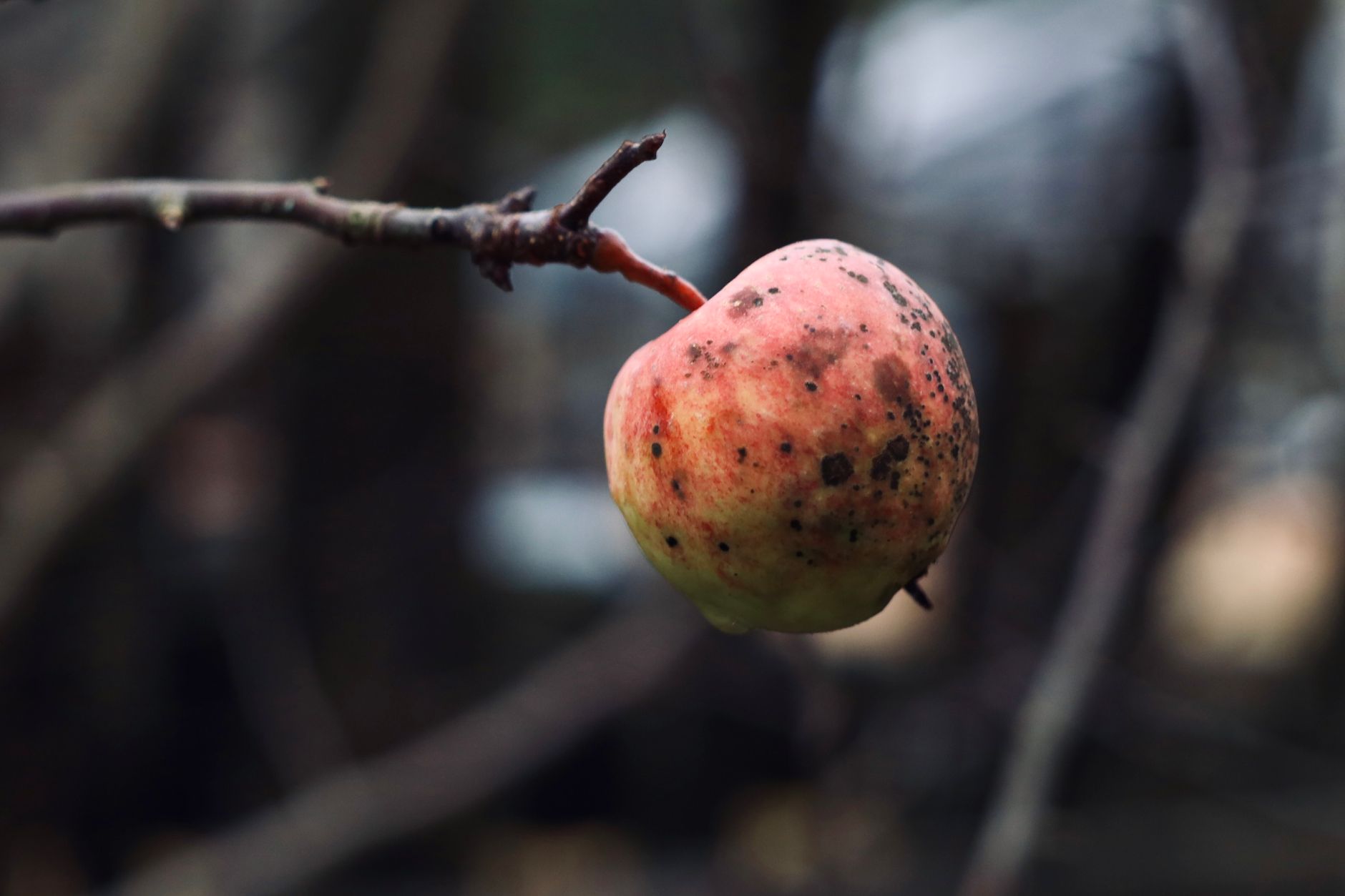
- Avoid Bruises or Spots: Damaged areas on fruits and vegetables can signify spoilage or even mold. Reject products that show any signs of decay.
- Smell Before You Buy: A ripe piece of fruit will generally have a sweet, fragrant scent. If it smells off, leave it behind.
- Buy In Season: Seasonal produce tends to be fresher and tastier than items that are out of season.
Best Practices for Food Safety
To minimize health risks associated with produce, it’s essential to follow best practices in food safety:
- Wash Thoroughly: Always wash fruits and vegetables under running water, even if you plan to peel them. This helps remove pesticides and bacteria.
- Store Properly: Some produce should be refrigerated while others do best in a cool, dark place. Knowing how to store can prolong freshness.
- Keep Separate: Store raw vegetables and fruits separately from meats to prevent cross-contamination.
- Buy Organically When Possible: Organic fruits and vegetables typically have lower pesticide residues, making them a safer choice.
Creative Serving Ideas for Safe Produce
When you choose the right produce, there are numerous creative ways to incorporate them into your meals:
1. Smoothies
Blend fruits like bananas, strawberries, and spinach for a nourishing breakfast or snack. You can experiment with different leafy greens, yogurt, or nut butter for variety.
2. Full Salads
Combine a mix of dark leafy greens, colorful vegetables, and your favorite fruits for a salad that bursts with flavor and nutrition. Add nuts or seeds for crunchy texture.
3. Roasting and Steaming
Roasting root vegetables like carrots and sweet potatoes can enhance their natural sweetness. Steaming leafy greens can preserve their nutrients, making for a delicious side dish.
4. Grilled Veggie Skewers
Mix assorted vegetables like bell peppers, zucchini, and cherry tomatoes on skewers for flavorful grilling, perfect for summertime cookouts.
5. Salsas and Dips
Fresh fruit salsas using ingredients like pineapples or mangoes can add zest to grilled meats or fish. Vegetable dips can be made with hummus or yogurt as a healthy appetizer.
Storage Tips for Longevity
Maximizing the shelf life of produce can help you enjoy them longer:
- Store in the Vegetable Drawer: Many fruits and vegetables have specific humidity requirements. The vegetable drawer is designed to keep conditions optimal.
- Keep Fruits Separately: Ethylene-producing fruits like apples and bananas should be kept away from vegetables to prevent premature spoilage.
- Use Paper Towels: Wrapping delicate items like berries in a paper towel can help absorb excess moisture and keep them fresh longer.
- Check Regularly: Rummage through your produce every few days to remove any items that have spoiled to prevent them from affecting others.
Why Some Produce Might Be Avoided in Certain Diets
Specific dietary preferences or restrictions might make certain produce unsuitable:
- Paleo Diet: This diet excludes processed foods, with an emphasis on fresh produce. Foods like potatoes and legumes may be avoided.
- Keto Diet: High-carbohydrate vegetables like corn and peas may be limited to keep carb intake low in ketogenic diets.
- Raw Food Diet: This emphasizes raw fruits and vegetables, and certain cooked items—no matter how nutritious—might be left out.
Understanding which produce to avoid allows you to make healthier and more informed choices. Knowing how to select and store fresh produce can enhance your cooking experience and contribute positively to your health. Remember to keep exploring fresh fruits and vegetables and use the alternatives discussed to enjoy a wide array of flavors and textures in your meals. By being conscious of your produce choices, you pave the way for delicious, safe eating.
For more tips on food storage, explore ways to keep your fruits fresh or discover helpful guides about visiting the local farmers’ market. Check out how to freeze watermelon for later enjoyment or find out how long do blueberries last to avoid food waste.