
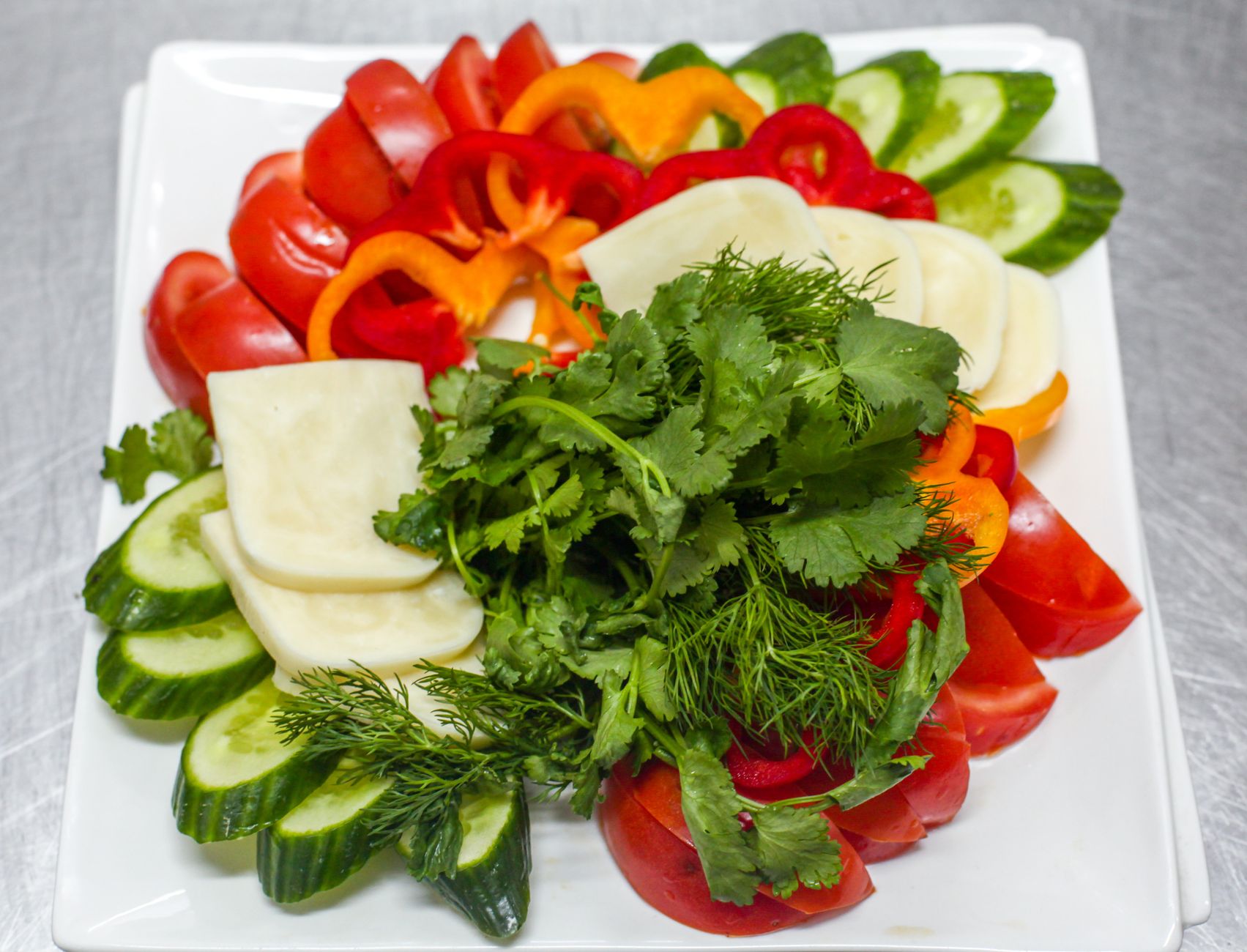
Histamine intolerance can significantly impact daily life, manifesting symptoms like headaches, digestive issues, and skin irritations in sensitive individuals. A low-histamine diet can alleviate these symptoms, making it essential to know which foods are safe to consume. This article will explore what foods are low in histamine, their culinary uses, and practical tips for incorporating them into your meals.
Understanding histamine-rich foods is key to managing this condition. Generally, foods high in histamine are aged, fermented, or processed, while fresh foods tend to be lower in histamine. Let’s delve into the world of low-histamine foods, discussing their benefits, usage, and how to navigate your grocery shopping.
What Foods Are Low in Histamine?
Foods that are low in histamine are typically fresh, unprocessed items. These include various fruits, vegetables, grains, meats, and dairy substitutes. The following sections will break down these categories and provide practical insights on how to include them in your diet.
Fruits: Fresh and Delicious
Many fruits are low in histamine, providing natural sweetness and nutritional benefits. Here are some of the best options:
- Apples
- Pears
- Blueberries
- Cherries
- Watermelon
- Grapes
- Peaches
- Plums
When selecting fruits, aim for seasonal and fresh varieties, as they will have the lowest histamine levels. These fruits can be incorporated into smoothies, salads, or eaten as snacks.
Vegetables: A Colorful Array
Vegetables are a crucial part of a low-histamine diet. Most are low in histamine, especially when fresh. The following vegetables are good choices:
- Carrots
- Cucumbers
- Zucchini
- Broccoli
- Spinach
- Fresh bell peppers (especially yellow and green)
- Cauliflower
- Radishes
When preparing vegetables, steaming or raw consumption is often preferable to retain their nutrient profile and keep histamine levels at bay.
Meat and Fish: Fresh is Best
Most meats are low in histamine if they are fresh. However, be cautious as aging or processing can significantly increase histamine levels. Here’s a list of fresh meats and fish you can include:
- Fresh chicken
- Turkey
- Lamb
- Beef (fresh cut)
- Fish (non-smoked, fresh options like cod or trout)
Avoid processed meats like bacon, salami, and sausages as they are usually high in histamine. For cooking, consider methods like grilling or baking to maintain the freshness and flavor of the meat.
Dairy Alternatives: Creamy and Satisfying
Traditional dairy can be high in histamine, especially aged varieties like cheese. Instead, consider low-histamine dairy alternatives:
- Coconut milk
- Rice milk
- Almond milk
These alternatives can be substituted in recipes that call for milk or cream, allowing you to enjoy creamy dishes without the histamine worry. Homemade versions are often best for keeping histamine levels low.
Grains: Versatile and Filling
Grains are usually safe for those with histamine intolerance, particularly when consumed fresh. Here are some choice options:
- Quinoa
- Rice (white or brown)
- Oats (gluten-free as necessary)
- Gluten-free pasta
Use these grains as a base for salads or as side dishes. They can be dressed with olive oil and low-histamine vegetables for a nutritious meal.
Herbs and Spices: Adding Flavor Without Histamine
Herbs and spices enhance flavor, and there are plenty of options that are low in histamine:
- Basil
- Parsley
- Oregano
- Thyme
- Garlic (fresh)
Using these fresh herbs can elevate a dish without adding histamine. Avoid dried herbs and anything with preservatives until you know how they affect you.
Cooking Techniques for a Low-Histamine Diet
How you prepare your food can impact histamine levels. Here are some cooking techniques to keep in mind:
Fresh Cooking
Whenever possible, opt for fresh ingredients. Cook them shortly after purchase and store leftovers properly.
Steaming and Boiling
These methods help retain nutrients while keeping histamine levels low. Avoid frying or grilling for long durations.
Freezing
Freezing fresh foods can maintain their low histamine status. Freeze in suitable portions for easier meal prep.
Meal Planning for a Low-Histamine Diet
Planning meals in advance can simplify adhering to a low-histamine diet. Here’s a basic framework to create balanced meals:
- Start your day with a breakfast smoothie using low-histamine fruits and almond or coconut milk.
- Choose lean proteins like grilled chicken or turkey for lunch paired with a quinoa salad filled with fresh vegetables.
- For dinner, opt for baked fish accompanied by steamed broccoli and a side of rice or quinoa.
- Snacks can consist of fresh fruits, or homemade chia pudding made with coconut milk.
This approach allows for variety while avoiding common high-histamine culprits. Organize a weekly grocery list based on this plan to ease shopping and meal preparation.
Tips for Shopping Low-Histamine Foods
When grocery shopping, keep the following tips in mind to ensure you select low-histamine foods:
- Buy organic and fresh produce whenever possible.
- Avoid canned or processed foods, which often contain preservatives and have been linked to increased histamine levels.
- Always check expiration dates on packaged items, as older products can accumulate histamines.
- Opt for local produce to ensure freshness and flavor.
Common Mistakes and Troubleshooting
Adapting to a low-histamine diet can present challenges. Here are some common pitfalls and how to avoid them:
- Assuming all fruits and vegetables are safe. While many are low in histamine, some can trigger reactions, so individual experimentation is crucial.
- Neglecting to track reactions to food. Keep a food diary to identify any unexpected triggers.
- Not varying your diet. Repeating the same foods can lead to sensitivity over time. Rotate your choices for balanced nutrition.
Conclusion
Understanding which foods are low in histamine can help manage histamine intolerance effectively. Focus on fresh fruits, vegetables, proteins, grains, and dairy alternatives to create delicious, balanced meals. By meal planning and following the tips provided, individuals can enjoy a diverse and fulfilling diet while minimizing symptoms.
For a delicious and filling snack, consider making chia pudding with coconut milk. Explore our chia pudding recipe and learn about how long to soak chia seeds for optimal results.