
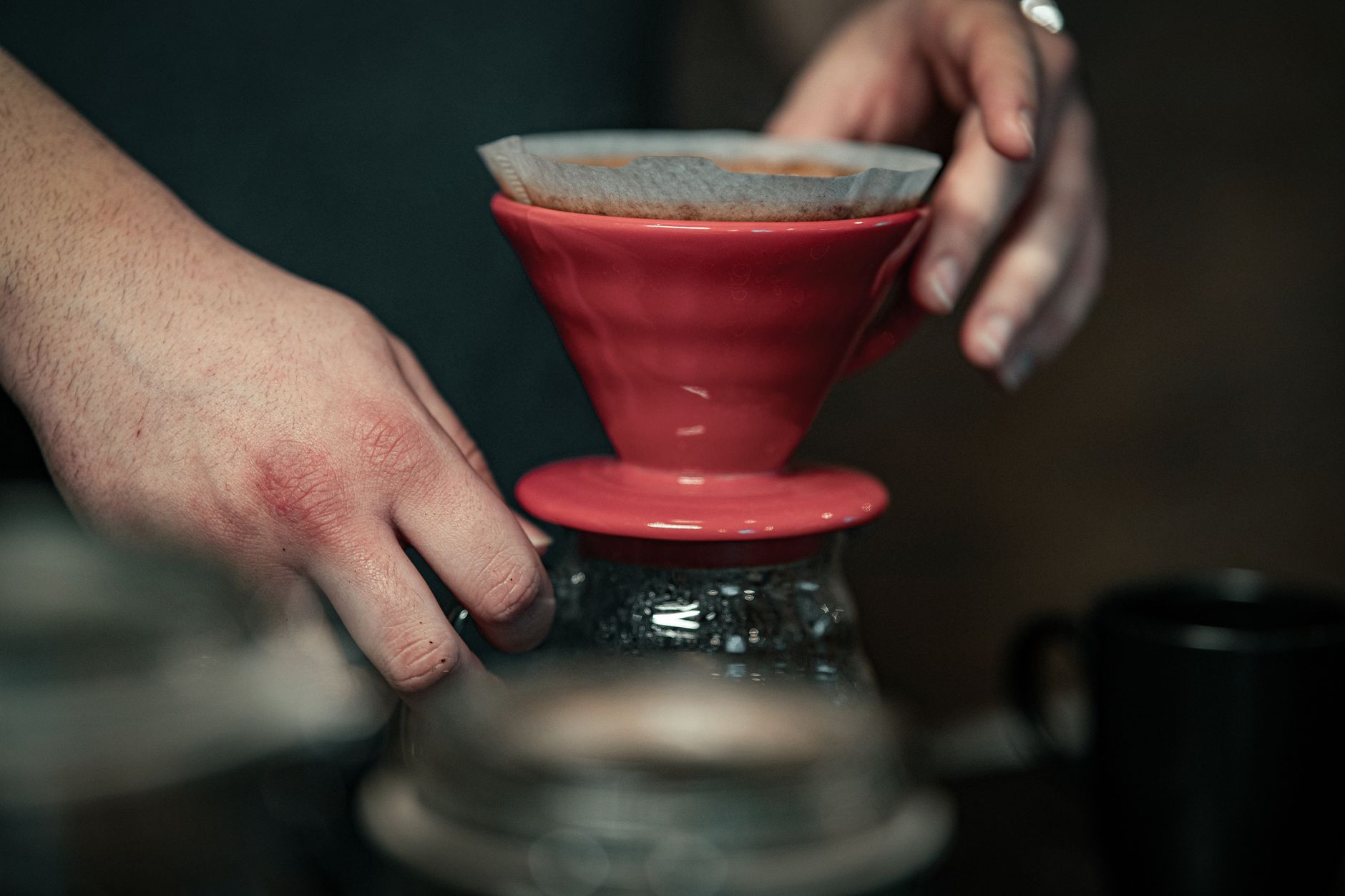
Filtered coffee is a popular brewing method that creates a smooth and flavorful cup of coffee. This method involves pouring hot water over coffee grounds in a filter, which allows the water to extract rich flavors while keeping unwanted sediment out. The result is a clean and aromatic drink enjoyed by coffee lovers worldwide.
This article explores the taste and texture of filtered coffee, its versatile kitchen uses, and practical tips to maximize your coffee experience. Whether you’re a coffee enthusiast or a casual drinker, understanding filtered coffee can enhance your morning rituals.
What Is Filtered Coffee?
Filtered coffee, also known as drip coffee or filtered brew, is made by brewing coffee grounds with hot water using a paper or metal filter. This process allows liquid coffee to pass through while trapping the grounds, resulting in a bright, clean, and balanced flavor. The method can be used in various brewing devices, including pour-over setups, drip coffee makers, and coffee percolators.
Taste and Texture of Filtered Coffee
The taste and texture of filtered coffee profoundly influence a coffee drinker’s experience. This section elaborates on what to expect from a cup of filtered coffee.
Taste Profile
Filtered coffee is known for its subtle and nuanced flavor profile. The drip method highlights the coffee’s natural acidity while allowing its inherent sweetness to surface. Depending on the bean origin and roast level, you can expect a range of flavors, from fruity and floral to rich and chocolatey.
- Light Roast: Often fruity or floral, with a vibrant acidity.
- Medium Roast: Offers a balanced flavor with caramel and chocolate notes.
- Dark Roast: Features bolder flavors, often with a smoky or bittersweet quality.
Texture
Filtered coffee typically has a smooth texture, resulting from the absence of coffee oils and fine particles that are present in other brewing methods, such as French press. It has a clean mouthfeel, allowing the distinct flavors of the coffee to shine through.
Kitchen Uses for Filtered Coffee
Filtered coffee isn’t just a beverage; it can also serve many culinary purposes. Here are some innovative uses for your filtered coffee beyond just sipping:
1. Coffee-Based Recipes
Filtered coffee can be a wonderful ingredient in various recipes, adding depth and complexity to dishes. Here are a few ideas:
- Sauces and Marinades: Use filtered coffee as a base for barbecue sauce or a marinade for meats. It imparts a rich flavor and can enhance the overall profile of the dish.
- Bakery Items: Incorporate filtered coffee into brownies, cakes, and pastries. The coffee adds moisture and amplifies chocolate flavors.
- Smoothies: For a caffeine kick, blend cooled filtered coffee into smoothies for an energizing boost.
2. Coffee in Cooking
Filtered coffee can enhance several savory dishes too:
- Chili: Add a splash of coffee to your chili for richness and depth.
- Stews: Enhance beef or mushroom stews with a half cup of filtered coffee to intensify flavors.
3. Coffee Syrup
Filtered coffee can be reduced into a syrup to drizzle over desserts or pancakes, providing a sweet and bold coffee flavor.
4. Infusions and Beverages
Filtered coffee can serve as a base for various beverages:
- Iced Coffee: Chill your filtered coffee and serve it over ice for a refreshing drink on hot days.
- Cocktails: Use filtered coffee as an ingredient in cocktails, mixing it with liquors for complex flavors in drinks like espresso martinis.
Brewing Techniques for Filtered Coffee
To make the best filtered coffee, it’s essential to understand various brewing techniques. Here are the most common methods:
1. Drip Coffee Maker
This is one of the simplest methods for making filtered coffee. A standard drip coffee maker automatically heats water and drips it over coffee grounds in a filter.
Steps to Brew with a Drip Coffee Maker:
- Measure Coffee: Use approximately 1 to 2 tablespoons of coffee for every six ounces of water.
- Add Water: Fill the reservoir with fresh, cold water.
- Add Grounds: Place a paper filter in the basket and add the measured coffee grounds.
- Brew: Start the machine and wait for the coffee to brew.
- Serve: Once complete, pour into a mug and enjoy!
2. Pour-Over Method
This method gives you more control over the brewing process, enhancing flavor extraction. Popular pour-over devices include the Chemex and Hario V60.
Steps for Pour-Over Brewing:
- Boil Water: Heat water to about 200°F (93°C).
- Prepare Equipment: Place a filter in the dripper and rinse it with hot water to eliminate any papery taste.
- Add Grounds: Measure and add the coffee grounds (1-2 tablespoons per six ounces of water).
- Bloom: Pour a small amount of water over the coffee to saturate it. Allow it to bloom for 30 seconds.
- Pour Water: Slowly pour the remaining water in a circular motion over the coffee grounds, allowing the coffee to drip into your carafe or cup.
- Enjoy: Once brewed, pour into a mug!
3. French Press
Though not completely filtered, a French press can yield a strong cup of filtered coffee if you let it steep long enough and then use a fine mesh filter.
Steps for French Press Brewing:
- Heat Water: Bring water to a boil and then allow it to cool slightly.
- Add Coffee: Use around 1 tablespoon of coffee per four ounces of water and add ground coffee to the French press.
- Pour Water: Add hot water to the French press and stir gently.
- Steep: Allow it to steep for about four minutes.
- Press Down: Use the plunger to separate the grounds from the brewed coffee.
- Serve: Pour into a mug and enjoy!
Common Mistakes and Troubleshooting
Even seasoned coffee drinkers can sometimes encounter issues while brewing filtered coffee. Here are some common mistakes and solutions:
1. Incorrect Coffee Grind
Using the wrong grind size can lead to over-extraction or under-extraction. A medium grind is generally recommended for drip coffee makers and pour-over methods.
2. Wrong Coffee-to-Water Ratio
A common error is using too much or too little coffee. Adjust your ratio to suit your taste preferences. Experiment with different amounts to find your ideal strength.
3. Poor Water Quality
The quality of water used in brewing affects the final taste. Always use filtered or purified water for the best results.
4. Brew Time
Brewing coffee for too short or too long can lead to undesirable flavors. Pay attention to timing, and adjust based on your brewing method and taste preferences.
Storage Tips for Filtered Coffee
The freshness of your coffee greatly impacts the flavor. Here are storage tips to keep your coffee at its best:
1. Store Coffee Beans Properly
Keep whole coffee beans in an airtight container, away from light, heat, and moisture. A cool and dark place, like a pantry, is ideal.
2. Grind Just Before Brewing
Grinding coffee beans right before brewing preserves freshness. If you purchase pre-ground coffee, use it promptly for optimal flavor.
3. Refrigerate Leftover Coffee
If you have leftover brewed coffee, store it in the refrigerator in an airtight container. Note that reheated coffee may lose some of its original flavor and aroma.
Filter Options for Brewing
When brewing filtered coffee, the choice of filter can impact flavor and texture. Here are the main types of filters:
- Paper Filters: These are disposable and help create a clean cup by trapping oils and fine particles.
- Metal Filters: Reusable metal filters allow oils to pass through, resulting in a fuller-bodied coffee with more texture.
- Cloth Filters: These balance the characteristics of paper and metal filters, offering a rich flavor with some filtration.
Conclusion
Filtered coffee provides a delightful and versatile beverage experience, with rich flavors and numerous culinary applications. Understanding the intricacies of brewing and enjoying filtered coffee can enhance your caffeine rituals. As you explore this method, consider trying different coffee beans, adjusting your brewing techniques, and incorporating it into your cooking.
For a delightful twist, try a protein coffee recipe or consider making homemade coffee syrup to elevate your dishes. Explore more coffee-related recipes and tips on our site.