
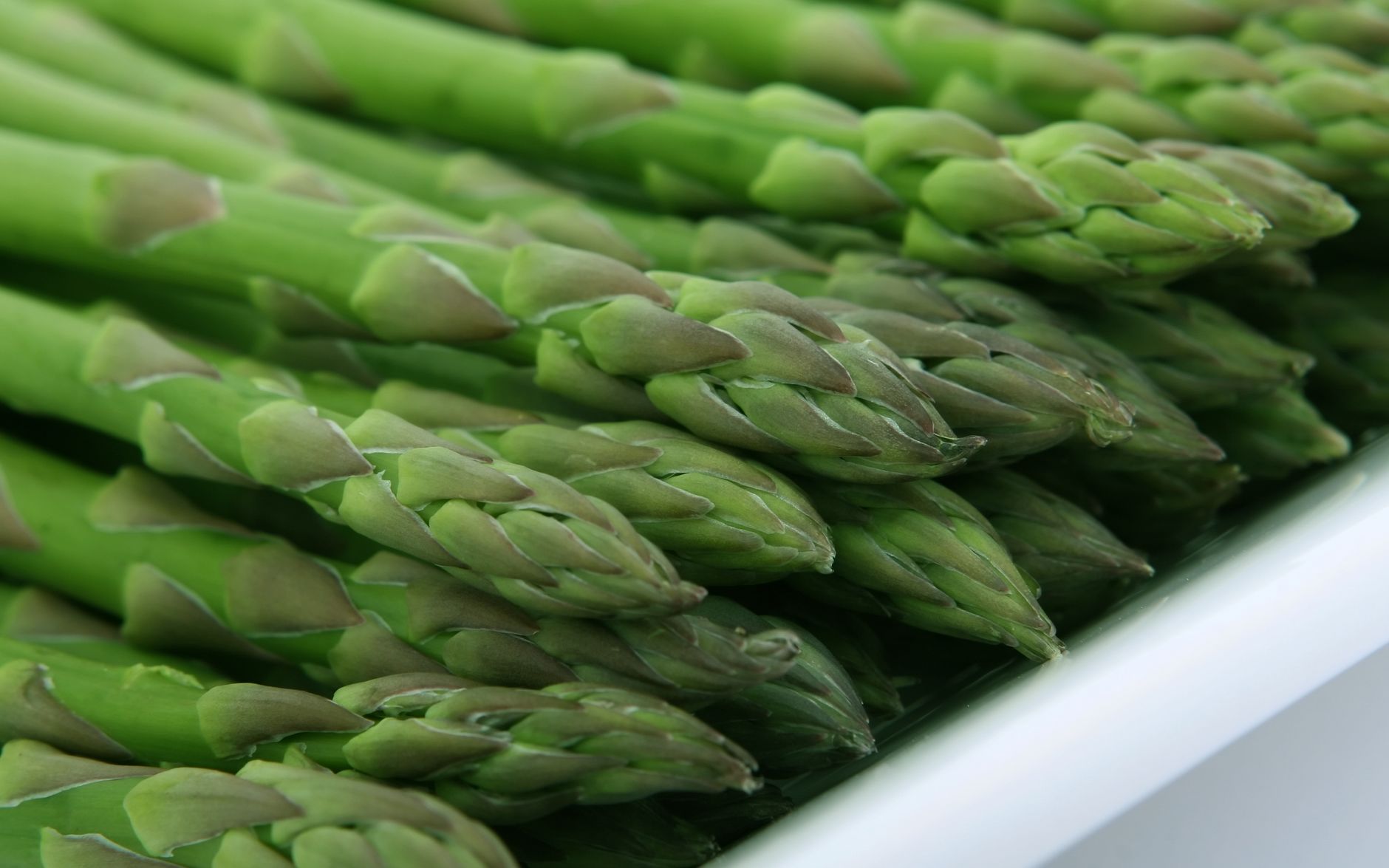
Asparagus is often celebrated for its vibrant flavor and numerous health benefits, but many people wonder about its protein content. As a versatile vegetable, it can be incorporated into various dishes, from salads to stir-fries. Understanding how much protein asparagus contains is essential for those monitoring their dietary intake, especially in plant-based or vegetarian diets.
This article will explore how much protein is in asparagus, what contributes to its nutritional profile, and why incorporating asparagus into your meals may be beneficial. We will break it down by serving sizes, discuss its other nutritional benefits, and provide cooking methods to enjoy this delicious vegetable.
How Much Protein in Asparagus?
Asparagus contains approximately 2 to 3 grams of protein per 100 grams (about 3.5 ounces) when cooked. Raw asparagus has slightly less protein, at about 2.2 grams per 100 grams. While this might not seem like a significant amount when compared to other protein sources, asparagus is still a valuable addition to a balanced diet due to its other nutritional benefits.
Nutritional Breakdown of Asparagus
Asparagus is not only low in calories but is rich in essential vitamins and minerals. A 100-gram serving of cooked asparagus offers the following nutritional components:
- Calories: 27
- Protein: 2.2 grams
- Fat: 0.2 grams
- Carbohydrates: 5.2 grams
- Fiber: 2.1 grams
- Vitamin A: 756 IU (15% DV)
- Vitamin C: 5.6 mg (9% DV)
- Vitamin K: 41.6 mcg (52% DV)
- Folate: 52 mcg (13% DV)
- Potassium: 202 mg (6% DV)
- Iron: 1.1 mg (6% DV)
The protein in asparagus is particularly unique because it is a vegetable source of protein, making it a helpful addition to vegan and vegetarian diets. While it can’t replace meat or legumes as the primary protein source, it can complement these diets very well.
How Many Asparagus Servings Per Day?
While asparagus is nutritious, it is recommended to consume it in moderation. Depending on dietary needs, incorporating 100 to 200 grams (about 3.5 to 7 ounces) of asparagus several times a week is a balanced approach. This can help increase your protein intake slightly while providing a host of other nutrients.
To visualize protein contribution, here’s how much protein you get from various serving sizes of cooked asparagus:
| Serving Size | Protein Content (grams) |
|---|---|
| 100 grams (3.5 ounces) | 2.2 grams |
| 130 grams (4.6 ounces) | 2.9 grams |
| 200 grams (7 ounces) | 4.4 grams |
| 300 grams (10.6 ounces) | 6.6 grams |
Cooking Methods That Maximize Nutritional Value
Different cooking methods can affect the nutritional content of asparagus, including its protein. Here are some popular methods:
- Steaming: This method preserves the most nutrients, including protein, vitamins, and minerals.
- Boiling: Although quick, boiling can cause nutrient loss, so it’s best to keep the cooking time short.
- Roasting: Roasting enhances flavor and maintains many nutrients. Use a light coating of oil, salt, and spices.
- Grilling: This method adds a smoky flavor while keeping the asparagus crisp. It’s also quick and retains nutrients.
Other Health Benefits of Asparagus
In addition to its protein content, asparagus boasts several health benefits that make it a worthwhile addition to your diet:
- High in Antioxidants: Asparagus contains antioxidants such as vitamins C and E, which help combat free radicals in the body.
- Supports Digestive Health: The fiber in asparagus aids digestion and promotes gut health.
- May Aid in Weight Management: Low in calories and high in nutrients, asparagus can be a great addition to weight-loss diets.
- Promotes Healthy Pregnancy: Asparagus is rich in folate, which is crucial for fetal development.
Recipe Ideas Featuring Asparagus
Incorporating asparagus into your meals can be both simple and delicious. Here are a few recipe ideas that highlight asparagus and its protein content:
Asparagus and Quinoa Salad
This vibrant salad combines protein-rich quinoa with asparagus for a filling meal.
- 1 cup cooked quinoa
- 1 cup steamed asparagus, chopped
- 1/2 red bell pepper, diced
- 1/4 cup feta cheese (optional)
- 2 tablespoons olive oil
- Juice of 1 lemon
- Salt and pepper to taste
- In a large bowl, combine cooked quinoa, chopped asparagus, red bell pepper, and feta cheese.
- In a separate small bowl, whisk together olive oil, lemon juice, salt, and pepper.
- Drizzle the dressing over the salad and toss to combine.
- Serve chilled or at room temperature.
Roasted Asparagus with Garlic
A quick side dish that pairs well with almost any protein.
- 1 bunch fresh asparagus, trimmed
- 2 tablespoons olive oil
- 2 garlic cloves, minced
- Salt and pepper to taste
- Preheat the oven to 425°F (220°C).
- On a baking sheet, toss asparagus with olive oil, garlic, salt, and pepper.
- Roast for 12-15 minutes, or until tender and slightly crispy.
- Serve warm as a side dish.
Substitutions and Variations
While asparagus is delicious on its own, there are plenty of ways to vary its use in recipes or substitute it for other ingredients:
- For a different vegetable: Broccoli or green beans can be used interchangeably in many recipes, though they vary slightly in protein content.
- For a different grain in salads: Substitute quinoa with farro or brown rice for a different texture and flavor.
- Add nuts or seeds: Incorporate toasted almonds or sunflower seeds for extra protein and crunch in salads.
Common Mistakes and How to Avoid Them
As with any cooking experience, mistakes can happen. Here are a few common pitfalls when cooking coaxing the best out of asparagus:
- Overcooking: Asparagus should be tender but still crisp. Overcooked asparagus becomes mushy and loses flavor.
- Ignoring the ends: Always trim the woody ends of asparagus, which can be tough and unpalatable.
- Skipping seasoning: A sprinkle of salt can bring out the natural flavor of asparagus; don’t forget to season as needed!
Storage and Reheating Guidance
For the best experience, store asparagus properly and reheating methods:
- Storage: Wrap asparagus in a damp paper towel and place it in a plastic bag in the refrigerator, where it can last 3-5 days.
- Freezing: Blanch asparagus in boiling water for 2-3 minutes before placing in an ice bath and then freezing. This preserves flavor and texture.
- Reheating: When reheating asparagus, steam or sauté it briefly to maintain its original texture without overcooking.
Asparagus can be a valuable addition to your diet, offering numerous health benefits beyond just protein. By including asparagus in your meals, you not only enjoy its unique flavor but also promote your overall well-being.
In summary, asparagus may not be the highest source of protein, but it brings valuable nutrients and health benefits to your diet. So, next time you’re meal planning, consider adding this delicious vegetable to your menu!
For more cooking tips, explore our guides on how to cook asparagus perfectly, or learn whether you can eat raw asparagus for a crunchy snack.