
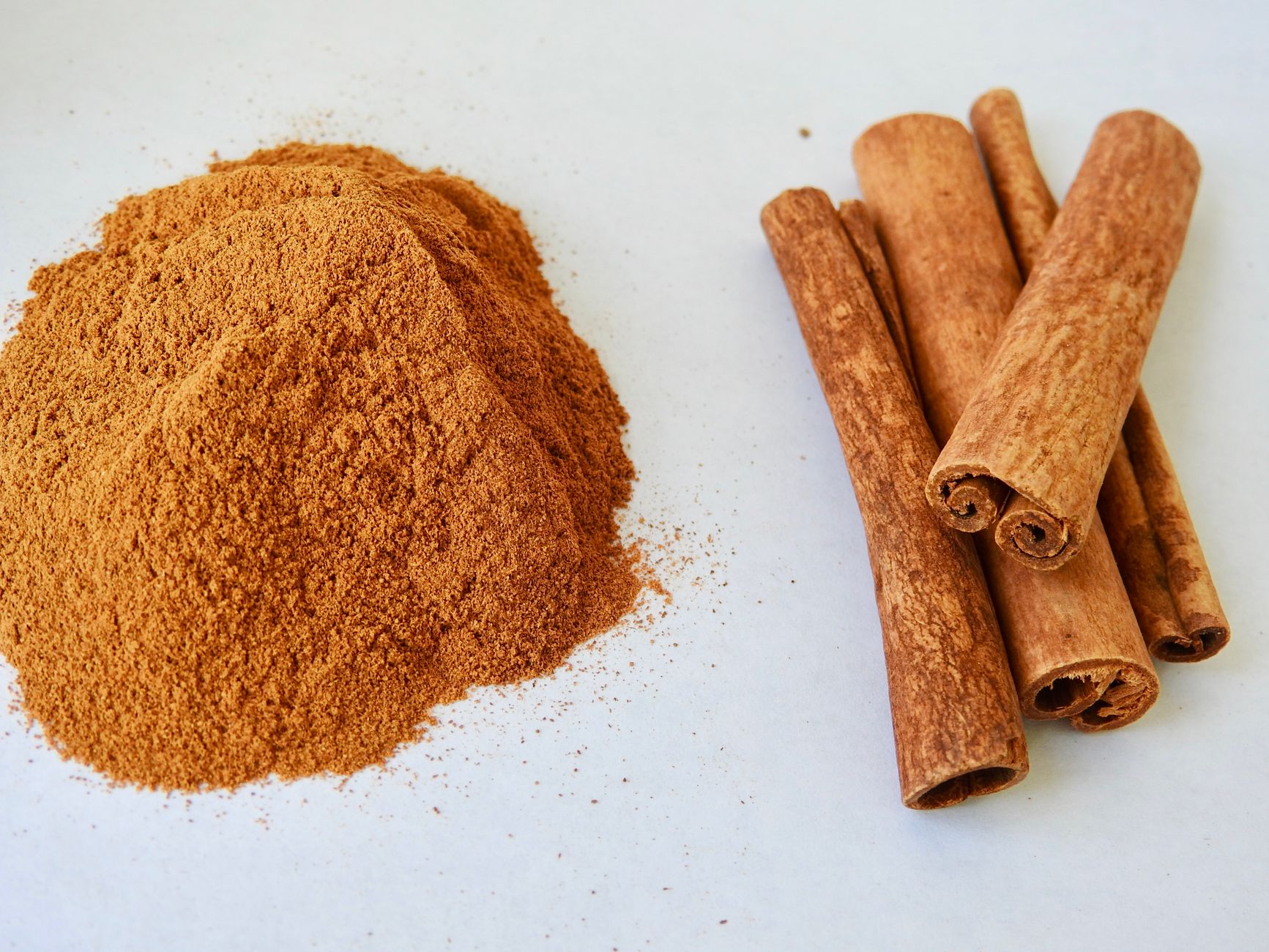
Cinnamon is a fragrant spice derived from the bark of trees belonging to the Cinnamomum genus. Known for its warm, sweet flavor, it holds a special place in global cuisines, used in both sweet and savory dishes. Its versatility makes it an essential ingredient to have in any kitchen.
In this article, we’ll explore what cinnamon is, its various ingredients, flavor profile, culinary uses, and how to serve it. Additionally, we’ll discuss some practical tips for selecting and storing cinnamon and creative ways to incorporate it into your dishes.
What Is Cinnamon?
Cinnamon, a beloved spice, is primarily cultivated in Sri Lanka, Indonesia, China, and Vietnam. There are two main types of cinnamon: Ceylon and Cassia. Ceylon cinnamon, often labeled as “true cinnamon,” is milder and sweeter. Cassia cinnamon, which is more commonly found, has a bolder flavor and is used in most commercial products.
Ingredients and Types of Cinnamon
The primary ingredient in cinnamon is, of course, the bark of the cinnamon tree. This bark is harvested, dried, and rolled into quills or ground into a fine powder. Here’s a closer look at the two main types:
Ceylon Cinnamon (Cinnamomum verum)
- Flavor: Mild and sweet.
- Appearance: Light brown color with a complex, multi-layered texture.
- Uses: Desserts, beverages, and even savory dishes.
Cassia Cinnamon (Cinnamomum cassia)
- Flavor: Stronger and spicier than Ceylon.
- Appearance: Darker, reddish-brown color, often sold in quill form.
- Uses: Baked goods, spicy dishes, and is often the variety used in ground cinnamon products.
While both types are beneficial in their right, many people prefer the sweeter profile of Ceylon for baking and desserts, whereas Cassia can lend itself well to spicier, heartier dishes.
Flavor Profile of Cinnamon
Cinnamon offers a warm, sweet, and slightly woody flavor. When utilized in cooking and baking, its aromatic qualities create pleasant sensations that evoke comfort and nostalgia. Different dishes will bring out unique aspects of cinnamon’s flavor; for instance:
- In baking, cinnamon enhances the sweetness of products like pastries and cookies.
- In savory dishes, it adds warmth and depth without overwhelming the dish.
- In beverages like chai or mulled wine, it contributes to a complex flavor profile.
Culinary Uses of Cinnamon
Cinnamon is incredibly versatile and can be used in a variety of culinary applications. Here are some popular uses:
Baking
Cinnamon is primarily known as a baking spice. It is a key ingredient in various baked goods, including:
- Cinnamon rolls: A classic treat that showcases the spice’s sweet flavor.
- Apple pie: Enhancing the natural sweetness of apples.
- Cakes and muffins: Adding warmth and depth to these delicious desserts.
Cooking
In addition to baking, cinnamon can be incorporated into savory dishes such as:
- Curries: Adding a complex warmth that balances spicy ingredients.
- Stews: Providing depth to meat dishes.
- Roasted vegetables: Enhancing flavors in root vegetables like sweet potatoes and carrots.
Drinks
Cinnamon lends itself well to beverages as well, serving to enhance their flavor:
- Chai tea: A key ingredient in traditional recipes.
- Coffee: Sprinkling cinnamon on top adds an aromatic touch.
- Mulled wine or cider: Provides warmth and comfort during colder months.
How to Serve Cinnamon
When it comes to serving cinnamon, the method will depend on how you are using it in your cooking or baking. Here are some practical tips:
Whole Cinnamon Sticks
- Insert whole sticks into soups, stews, or hot beverages while cooking to infuse flavor.
- Use them as a garnish for drinks for visual appeal.
Ground Cinnamon
- Sprinkle ground cinnamon on top of oatmeal, yogurt, or fruit for added flavor.
- Incorporate it into dry mixes for baking or seasoning blends.
Cinnamon Quills
- Add quills to desserts where they can be removed before serving.
- Use them to stir hot beverages to enhance their aroma.
Practical Tips for Selecting Cinnamon
When buying cinnamon, there are a few factors to consider to ensure that you choose the best quality:
- Look for Ceylon cinnamon when possible, as it has a superior flavor profile.
- Select whole sticks for maximum freshness, as ground cinnamon can lose its potency over time.
- Check for a fragrant aroma, which indicates freshness.
Storage of Cinnamon
Proper storage of cinnamon can enhance its shelf life and maintain flavor. Follow these guidelines:
- Store in a cool, dark place away from heat and moisture.
- Keep whole quills in an airtight container to prevent drying out.
- Ground cinnamon should be kept in a tightly sealed container and is best used within six months for optimal flavor.
Substitutions for Cinnamon
In cases where you may not have cinnamon on hand, here are some practical substitutions:
- Nutmeg: Offers a similar warmth but has a more potent flavor. Use half the amount of nutmeg compared to cinnamon.
- Allspice: Provides sweetness and warmth. Use an equal amount as a substitute.
- Cardamom: Adds a unique flavor profile, which changes the dish considerably. Start with half the amount of cardamom as a substitute for cinnamon.
Common Mistakes When Using Cinnamon
There are a few key mistakes to avoid when working with cinnamon to ensure the best results:
- Using stale or expired cinnamon can result in an unappetizing flavor. Always check the expiry date.
- Overusing cinnamon can overpower the dish. Start with small amounts and taste as you go.
- Not grinding whole cinnamon sticks properly can lead to uneven flavor distribution.
Conclusion
Cinnamon is a versatile and aromatic spice that enhances the flavor of both sweet and savory dishes. With its unique flavor profile and numerous uses, it remains a staple in kitchens worldwide. Selecting quality cinnamon and knowing how to use it properly can elevate your cooking. Start experimenting with cinnamon to bring warmth and depth to your meals.
To explore more delicious recipes, consider trying our giant fluffy cinnamon roll recipe or our cinnamon roll recipe with heavy cream. Discover how cinnamon can transform your culinary creations today!