
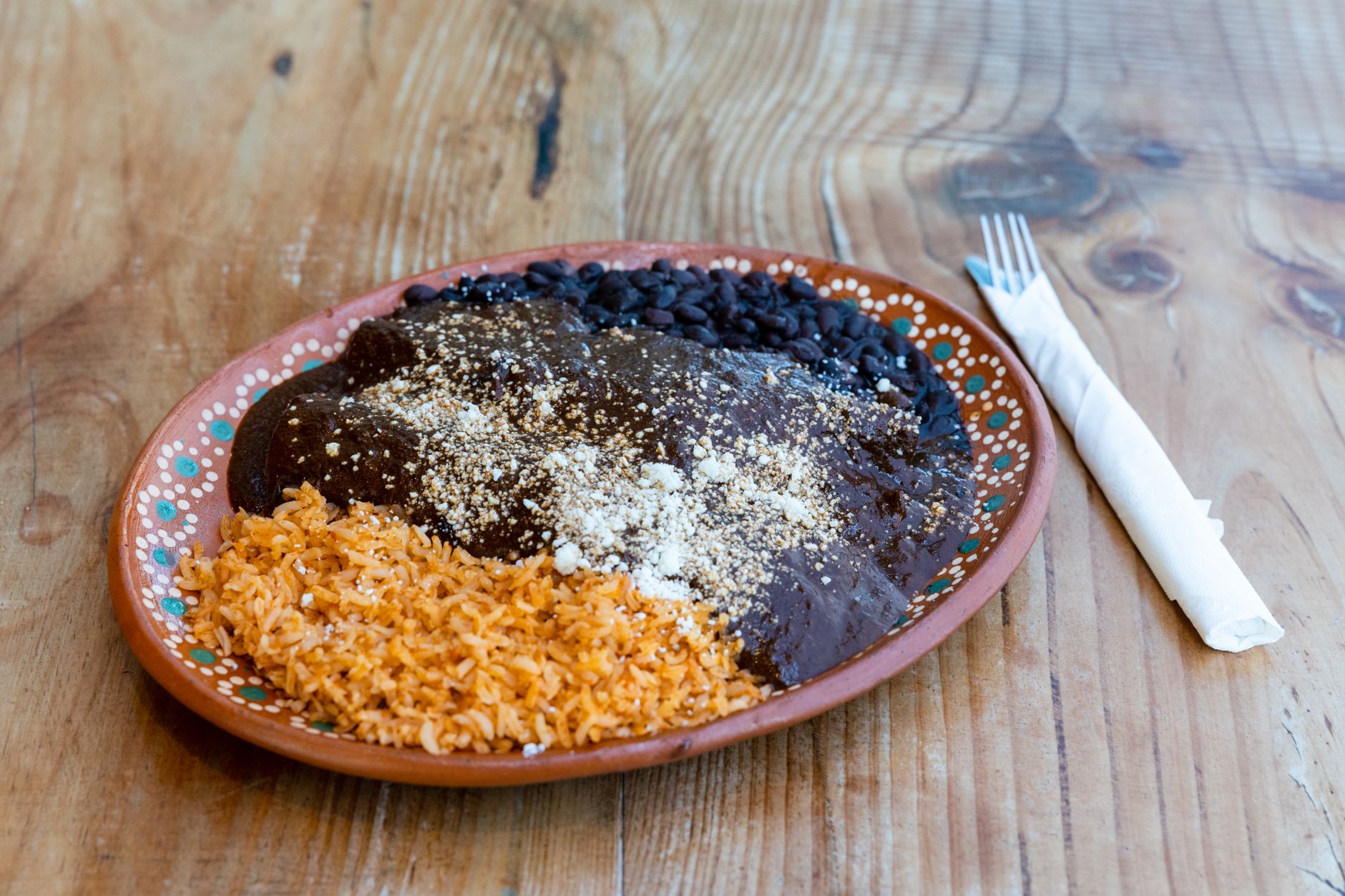
Oaxaca food is a rich tapestry of flavors, textures, and culinary traditions that define the unique gastronomy of Oaxaca, Mexico. Renowned for its complex moles, vibrant salsas, and fresh ingredients, Oaxacan cuisine reflects the region’s Indigenous heritage and diverse cultural influences.
This article will delve into the key components of Oaxaca food, exploring its distinctive ingredients, signature flavors, and the best ways to enjoy this incredible cuisine.
What Is Oaxaca Food?
Oaxaca food is characterized by its bold flavors, traditional cooking methods, and a focus on quality ingredients. It showcases the intricate blending of Indigenous and Spanish culinary traditions, resulting in unique dishes and vibrant flavors that are distinct to this region of Mexico.
Key Ingredients in Oaxacan Cuisine
Understanding the main ingredients of Oaxacan food can help you appreciate its complexity and authenticity. Here are the essential components found in many Oaxacan recipes:
- Chiles: Oaxaca is known for its wide variety of chiles, including Pasilla de Oaxaca, Guajillo, and Chipotle. These chiles form the backbone of many sauces and salsas, providing depth, heat, and nuanced flavor.
- Masa: Made from nixtamalized corn, masa is a fundamental ingredient used to make tortillas, tamales, and other traditional dishes.
- Mole: Oaxacans are famous for their moles, especially Mole Negro, which is a complex sauce made with a blend of chiles, chocolate, nuts, and spices. Each mole has its unique combination, offering layers of flavors.
- Quesillo: Known as Oaxacan cheese, quesillo is a stringy, semi-soft cheese often used in tlayudas and other dishes. It has a mild flavor that complements various Oaxacan foods.
- Herbs and Spices: Fresh herbs like epazote and dried spices like cumin are commonly used to enhance flavors in Oaxacan dishes, providing authenticity and complexity.
- Locally Sourced Vegetables: Oaxacan recipes commonly feature regional vegetables such as zucchini, tomatillos, and various leafy greens, highlighting the farm-fresh aspect of the cuisine.
- Meat and Seafood: Dishes often include chicken, pork, beef, and fish, which can be prepared in a variety of ways, showcasing the region’s agricultural bounty.
Distinctive Flavors of Oaxaca Food
Oaxaca food is celebrated for its remarkable flavors, characterized by a mix of spicy, smoky, sweet, and savory notes.
- Spicy: Many dishes incorporate chiles that range from mildly spicy to intensely hot. The heat is balanced with other ingredients, ensuring that the overall flavor remains enjoyable.
- Smoky: Smoked chiles, particularly Chipotles, add depth to sauces and salsas, imparting a unique smoky flavor that is essential in Oaxacan cuisine.
- Sweet: The use of chocolate, particularly in moles, introduces a subtle sweetness that complements the spiciness of the chiles.
- Savory: Ingredients such as garlic and onions create a savory foundation in many dishes, enhancing the overall flavor profile.
- Herbal: Fresh herbs contribute vibrant, aromatic notes that elevate the dishes, making them refreshing and complex at the same time.
Traditional Oaxacan Dishes to Try
Oaxaca offers a variety of mouthwatering traditional dishes. Here are some must-try selections:
- Tlayudas: Often referred to as “Oaxacan pizza,” tlayudas are large, crispy tortillas topped with black bean paste, quesillo, avocado, and a choice of meat. They are typically served with fresh salsa.
- Mole Negro: This iconic dish showcases the richness of Oaxacan cuisine. Mole Negro is made with a blend of chiles, chocolate, nuts, and spices, usually served over chicken or turkey.
- Tamales: Handcrafted tamales made with masa and filled with various ingredients, such as cheese, meat, or chiles, are a popular snack or meal. They are often wrapped in corn husks and steamed.
- Empanadas: Stuffed with different fillings, empanadas can be made with masa or flour and are commonly fried or baked, offering versatility in flavor and texture.
- Chapulines: These toasted grasshoppers are a traditional snack in Oaxaca, often seasoned with lime, garlic, and salt. They provide a unique crunchy texture and a savory flavor.
How to Serve Oaxacan Food
Presenting Oaxacan food can enhance the dining experience. Here are some tips on how to serve Oaxacan dishes:
- Artwork on the Plate: Oaxacan cuisine is vibrant and colorful. Use colorful plates and arrange the food artistically to highlight the freshness and variety of ingredients.
- Accompaniments: Serve dishes with fresh salsas, handmade tortillas, and local accompaniments like avocado or pickled onions to complement the flavors.
- Drink Pairings: Pair Oaxacan cuisine with mezcal, a spirit made from agave that is characteristic of the region, or craft cocktails like a Mezcal Margarita, which can enhance the meal.
Cooking Techniques in Oaxacan Cuisine
Cooking techniques play a significant role in preparing Oaxacan food. Here are some common methods:
- Grilling: Many Oaxacan dishes involve grilling meats or vegetables over open flames, imparting smoky flavors and creating a delicious char.
- Roasting: Ingredients like chiles and tomatoes are often roasted before being blended into sauces, intensifying their flavors.
- Stewing: Slow-cooked stews, particularly those featuring mole, allow flavors to meld together and result in rich, complex dishes.
- Frying: Tamales and empanadas are frequently fried, adding a crispy texture that contrasts nicely with softer fillings.
Ingredient Substitutions in Oaxacan Cooking
While authentic Oaxacan ingredients yield the best results, substitutions can be used when necessary. Here are some practical swaps:
- Chiles: If you can’t find Pasilla de Oaxaca, smoked paprika can provide some smokiness, though the flavor won’t match perfectly.
- Quesillo: Mozzarella is a reasonable alternative to quesillo, as it has a similar stretchiness, but it lacks the distinctive flavor.
- Masa: For those unable to find masa, using flour to make a version of tortillas is possible, although it may not have the same texture.
- Chocolate: If Oaxacan chocolate is unavailable, use a high-quality dark chocolate mixed with cocoa powder to mimic its depth.
Common Mistakes in Preparing Oaxacan Food
Avoid these common pitfalls when preparing Oaxacan dishes:
- Overcooking Chiles: Avoid overcooking chiles, which can lead to bitterness. Toast gently until fragrant.
- Using Pre-Made Sauces: While convenient, pre-made sauces often lack the depth of flavor found in freshly prepared moles and salsas.
- Skipping Ingredients: Many dishes rely on the complex layering of flavors; omitting ingredients can affect the authenticity and taste.
Storage and Reheating Tips for Oaxacan Dishes
Proper storage can help you enjoy Oaxacan food beyond the initial preparation:
- Refrigeration: Store leftover dishes in airtight containers in the refrigerator for up to three days. Moles tend to last longer, even improving in flavor over time.
- Freezing: Many Oaxacan stews and moles freeze well; wrap them tightly and use them within three months for optimal taste.
- Reheating: Reheat gently on the stove over low heat to prevent burning, especially for dishes with sauces. Stir frequently to ensure even heating.
Conclusion
Oaxacan food is a remarkable culinary experience defined by its intricate flavors, traditional ingredients, and diverse cooking techniques. Exploring this delicious cuisine can bring a taste of Southern Mexico into your kitchen. Whether you are trying your hand at preparing a classic mole or savoring a tlayuda, the rich flavors and cultural traditions of Oaxaca are sure to delight.
For more cooking inspiration, explore our recipes for Mexican Hot Chocolate and a refreshing Mezcal Margarita.