
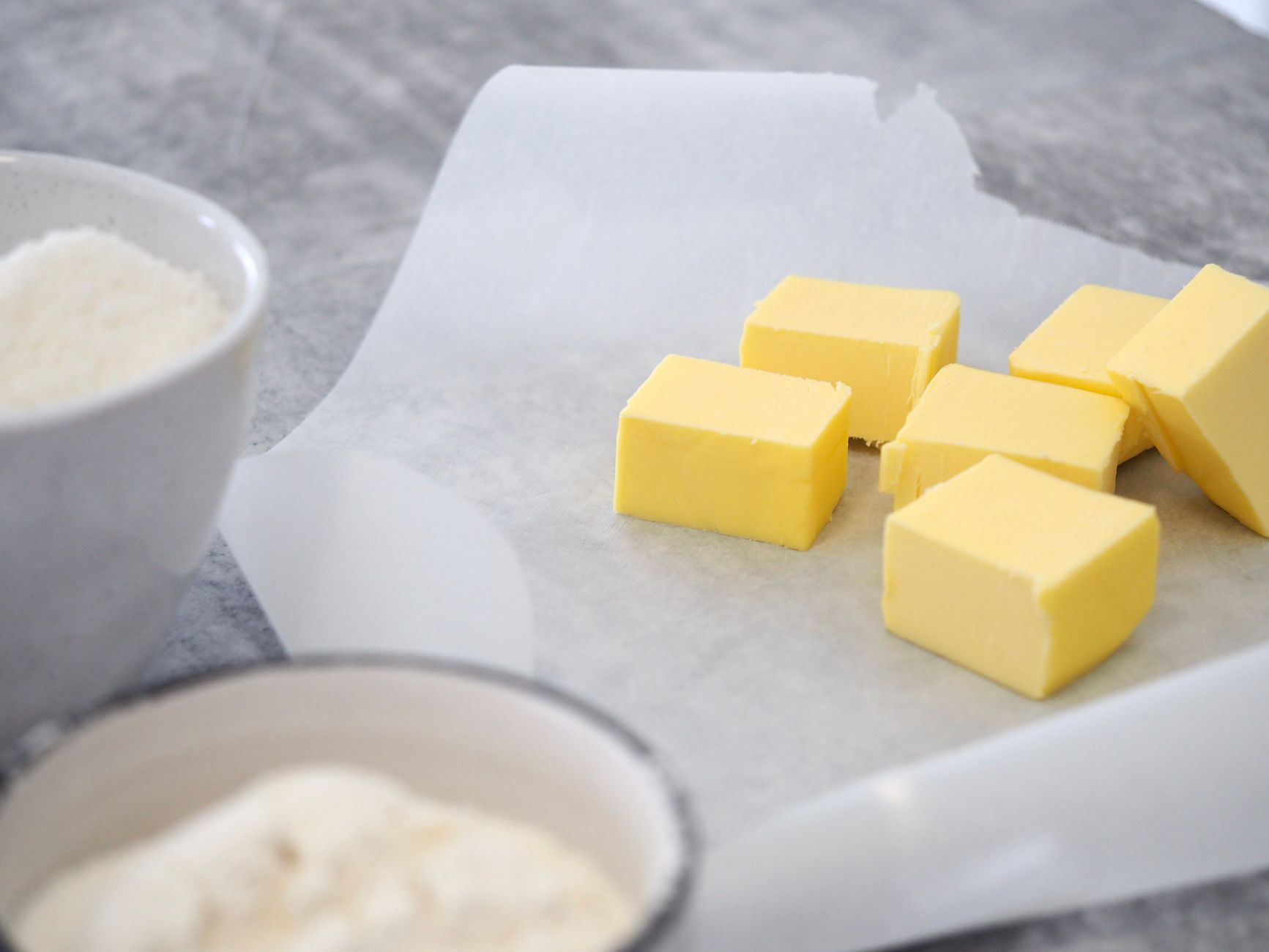
When it comes to cooking and baking, understanding measurements is crucial. Many recipes call for butter as a primary fat, and knowing how much butter equates to one cup can save you from potential missteps in the kitchen. This guide will explore the conversions, measuring tips, and ways to adapt your recipes using butter.
Butter is a versatile ingredient used in a variety of dishes, from flaky pastries to rich sauces. Ensuring you have the right amount is essential for achieving the desired flavor and texture. This article dives into every aspect of using butter, not only answering the question of how much butter is in one cup but also covering conversions, measurement techniques, and user-friendly tips for successful cooking.
How Much Butter Is 1 Cup?
One cup of butter is equal to 2 sticks of butter in the United States, where a standard stick measures ½ cup (or 4 ounces). This equal measurement applies when you’re using unsalted or salted butter. It’s important to know that butter is often measured in cups or sticks, so if you’re switching between measurement types, it’s helpful to understand these conversions.
Understanding Butter Measurements
Butter comes in various forms and can be found in sticks, blocks, or tub varieties. Understanding the measurement will help you follow a recipe correctly.
Stick Butter
- One stick of butter = ½ cup = 4 ounces
- Two sticks of butter = 1 cup = 8 ounces
Block Butter
In some countries, butter may be sold in blocks. Generally, these blocks are also divided into easily measurable sections. Check the wrapper for measurements.
Softened Butter
When a recipe calls for softened butter, it means the butter should be at room temperature, allowing for easy mixing. This is often important in baking recipes, as softened butter incorporates air into the batter.
Conversions: Helpful Equivalents
Accurate conversions are key to successful recipes. Here are some useful equivalents for butter, especially for your baking needs:
- 1 cup = 2 sticks = 8 ounces
- ½ cup = 1 stick = 4 ounces
- ¼ cup = ½ stick = 2 ounces
- 1 pound = 4 cups = 16 ounces
Measuring Butter Accurately
Measuring butter can sometimes lead to confusion, especially when using sticks versus bulk butter. Here’s how to measure accurately every time:
Using Stick Butter
Stick butter comes with measurement markings on the wrapper. Follow these steps for accurate measurement:
- Remove the butter from its packaging.
- Check for the measuring markers on the wrapper.
- Cut the desired amount, in this case, two sticks for 1 cup.
Using Bulk or Block Butter
If you have bulk butter, you’ll need to convert the amount. Here’s a simple way to measure:
- Use a scale to weigh out 8 ounces for 1 cup.
- If a scale isn’t available, use a liquid measuring cup to fill with water.
- Add butter until the measurement reaches the correct amount (8 ounces equals approximately 1 cup of water).
Using a Liquid Measuring Cup
To measure softened butter, you can also use a liquid measuring cup:
- Place the butter in the measuring cup until it reaches the 1-cup mark.
- Ensure the butter is packed without air pockets, as this will lead to inaccuracies.
Substituting Butter in Recipes
There are instances when you may need to substitute butter. Knowing how to do this correctly can ensure your dish turns out well.
Butter Substitutes
- Margarine: Use an equal amount as a direct substitute (1:1 ratio).
- Coconut Oil: Use ¾ cup for 1 cup of butter, as it is more concentrated.
- Vegetable Oil: Use ⅓ cup less than the required amount or a 1:1 replacement in cakes and muffins.
- Applesauce: Substitute ½ cup of applesauce for every cup of butter, especially in baked goods to reduce fat.
Effect on Flavor and Texture
Substituting butter can influence both flavor and texture. For example, margarine typically has a different taste and can yield a less rich flavor in baked goods. When substituting fats, remember that the results may vary. Always test small batches if you’re unsure about the substitution’s impact.
Common Mistakes When Measuring Butter
Even experienced cooks can make measuring errors. Here’s how to avoid common pitfalls:
- Not accounting for stick markings – It can be easy to overlook the measurements on sticks when cutting.
- Using cold butter – For recipes requiring softened butter, starting with cold butter can result in poor mixing.
- Not using a scale – When precision is key, neglecting to weigh ingredients can yield inconsistent results.
Cooking and Baking With Butter
Butter is integral beyond just measuring. Understanding its properties will enhance your cooking and baking techniques.
Butter in Baking
In baked goods, butter improves flavor, moisture, and texture. Here are some essential tips:
- In cookies, creaming butter with sugar introduces air, leading to a lighter texture.
- In cakes, using softened butter will help create a smooth batter.
- In pastries, cold butter is essential for flaky layers; handle it minimally to avoid melting.
Butter in Cooking
When sautéing or making sauces, butter can enhance flavor. Its lower smoke point compared to oils means it requires careful heat management:
- Use medium heat to avoid burning butter.
- For richer sauces, add butter at the end for a smooth finish.
Storage and Shelf Life of Butter
Proper storage of butter is crucial to maintain its quality and freshness. Here’s how to store it correctly:
Refrigeration
Store butter in the refrigerator in its original packaging to prevent it from absorbing odors. It can last for several months when refrigerated.
Freezing
If you need to store butter for a longer period, freezing is a great option:
- Wrap tightly in plastic wrap or aluminum foil.
- Place in a freezer bag or airtight container.
- Butter can be frozen for up to 6-12 months without significant quality loss.
Exploring Butter Varieties
Butter is not one-size-fits-all; various types can suit different needs:
Unsalted Butter
Unsalted butter allows more control over salt content in recipes. It’s primarily used in baking to ensure precise flavor balance.
Salted Butter
Salted butter is often used as a condiment or for general cooking. When substituting for unsalted in baking, reduce the added salt in the recipe.
Clarified Butter
Clarified butter separates milk solids and water, raising the smoke point. It’s excellent for frying and adding richness without the risk of burning.
Flavor and Aroma Profiles
Different butter types carry distinct flavor profiles. For example, European-style butters have a higher fat content that results in a creamier texture and richer flavor. Experimenting with various types can elevate your culinary creations.
Using Flavored Butters
Consider using flavored butters (like garlic or herb-infused) for a unique twist in your dishes. They can add depth to vegetables, meats, and baked goods.
Butter in Regional Cuisines
Butter’s popularity spans the globe, influencing regional cuisines:
- French Cuisine: Butter is a staple in classic sauces like beurre blanc.
- Italian Cuisine: In dishes like risotto, butter provides a creamy finish.
- Indian Cuisine: Ghee, a form of clarified butter, is widely used for cooking and flavoring.
Understanding how to measure and incorporate butter is essential in a cook’s toolkit. With the knowledge of how much butter makes a cup, as well as conversion techniques and practical tips, you can confidently navigate the world of butter in your kitchen.
If you’re looking to explore more about butter usage, check out our guide on clarified butter and try making delicious butter swim biscuits.