
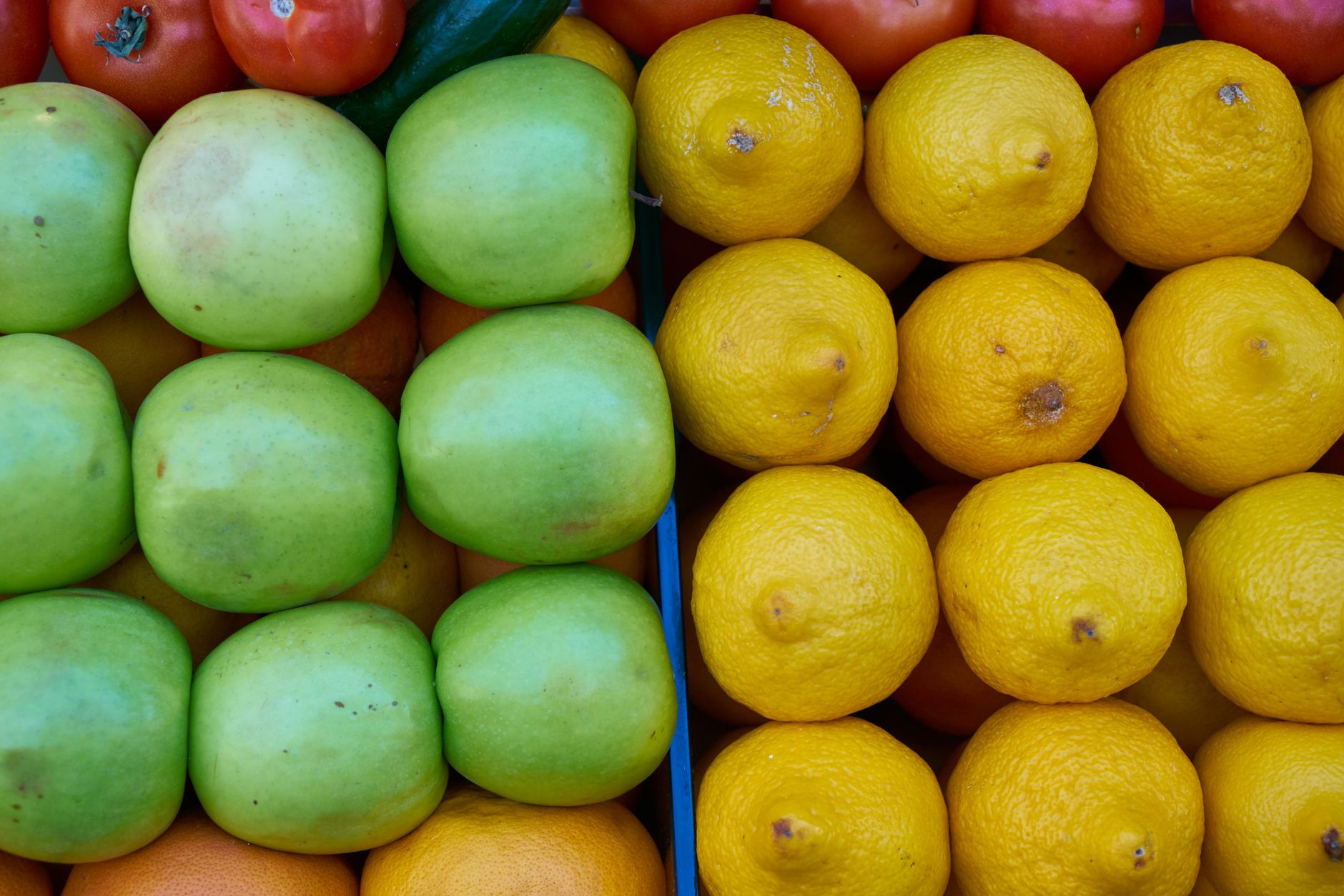
Alkaline foods are believed to promote a balanced body pH and contribute to overall health. This article explores alkaline foods, which can help you understand how to include them in your diet. We’ll cover food facts, common uses, and serving ideas that cater to various dietary preferences.
Whether you’re looking to improve your health or simply add more variety to your diet, incorporating alkaline foods can be both delicious and nutritious. Let’s dive into the world of alkaline foods and discover how to enjoy them in a practical and appealing way.
What Foods Are Alkaline?
Alkaline foods are typically whole, unprocessed items that can help maintain or restore the body’s pH balance. Foods are classified as alkaline based on their potential renal acid load (PRAL), which measures their impact on the body’s acidity. Some of the primary alkaline food categories include vegetables, fruits, nuts, seeds, and certain legumes and grains.
Examples of Alkaline Foods
Fruits
- Avocados
- Apples
- Bananas
- Berries (strawberries, blueberries, raspberries)
- Citrus fruits (lemons, limes, oranges)
- Watermelon
- Mangoes
Vegetables
- Spinach
- Kale
- Broccoli
- Cauliflower
- Brussels sprouts
- Carrots
- Cucumbers
- Bell peppers
Nuts and Seeds
- Almonds
- Chia seeds
- Flaxseeds
- Walnuts
- Sunflower seeds
- Sesame seeds
Legumes
- Lentils
- Chickpeas
- Black beans
- Pistachios
Whole Grains
- Quinoa
- Brown rice
- Amaranth
- Sorghum
Herbs and Spices
- Ginger
- Turmeric
- Cinnamon
- Garlic
Benefits of Alkaline Foods
Incorporating alkaline foods into your diet can have several health benefits. Although scientific research is ongoing, many advocate that these foods may help reduce inflammation, improve digestion, and enhance overall vitality.
Potential Health Benefits
- Reducing inflammation: Alkaline foods are often rich in antioxidants, which can help to reduce inflammation in the body.
- Improving digestion: Foods like fruits and vegetables are high in fiber, promoting a healthy digestive system.
- Boosting energy levels: A balanced pH can help your body function optimally, potentially leading to increased energy.
- Supporting weight management: Alkaline foods are often low in calories but high in nutrients, making them ideal for a weight-conscious diet.
How to Incorporate Alkaline Foods into Your Diet
Adding alkaline foods to your meals doesn’t have to be complicated. Here are some practical ideas on how to do just that:
Breakfast Ideas
- Start your day with a smoothie made from spinach, banana, and almond milk. Add chia seeds for extra nutrients.
- Prepare overnight oats using almond milk and top with berries and a sprinkle of cinnamon.
- Make an avocado toast on whole grain bread, topped with sliced tomatoes and sesame seeds.
Lunch Suggestions
- Craft a refreshing salad using kale, cucumbers, bell peppers, and a lemon vinaigrette dressing.
- Try a grain bowl, incorporating quinoa, black beans, diced avocado, and a squeeze of lime.
- Prepare a vegetable stir-fry with broccoli, carrots, and snap peas. Serve over brown rice or quinoa.
Dinner Options
- Roast a medley of vegetables such as Brussels sprouts, cauliflower, and carrots, seasoned with garlic and herbs.
- Make a hearty soup using lentils, tomatoes, carrots, and spices, served with whole grain bread.
- Grill a piece of salmon served alongside a spinach salad dressed with a lemon-herb vinaigrette.
Snack Ideas
- Snack on fresh fruits like watermelon or almond butter with apple slices.
- Prepare a trail mix combining almonds, walnuts, and chia seeds.
- Enjoy vegetable sticks (carrots, cucumbers) with hummus made from chickpeas.
Practical Tips for Cooking and Storing Alkaline Foods
To maximize the freshness and nutritional value of alkaline foods, consider these cooking and storage practices.
Cooking Techniques
- Steaming: This method helps retain the nutrient content of vegetables.
- Raw preparations: Many alkaline foods can be enjoyed raw, preserving their natural enzymes and nutrients.
- Blending: Smoothies provide an easy way to consume various alkaline foods in one meal.
Storage Tips
- Store fruits and vegetables in a cool, dry place or in the refrigerator to maintain freshness.
- Keep nuts and seeds in airtight containers, ideally in the freezer, to prolong shelf life.
- Cooked grains like quinoa or brown rice should be stored in sealed containers and can last up to five days in the refrigerator.
Common Mistakes When Choosing Alkaline Foods
It’s easy to miss the mark when selecting alkaline foods. Here are some pitfalls to avoid:
- Assuming all fruits and vegetables are alkaline: Some foods like cranberries and prunes can have acidic effects despite being nutritious.
- Focusing solely on one food group: A balanced diet should include a variety of alkaline foods across all categories.
- Overlooking the impacts of preparation: Cooking methods can alter the pH of foods; always aim to use gentle methods like steaming or raw preparations when possible.
Alkaline Diet Myths and Facts
Understanding the science behind alkaline foods involves addressing common myths. Let’s separate fact from fiction:
Myth vs. Fact
| Myth | Fact |
|---|---|
| Only fruits are alkaline | Many vegetables, nuts, and grains also have alkaline properties. |
| Alkaline foods cure diseases | There is no scientific evidence to support this claim; however, a balanced diet aids overall health. |
| Meat must be avoided entirely on an alkaline diet | It’s more about balancing food intake rather than complete restrictions. |
Shopping for Alkaline Foods
When grocery shopping, consider these strategies for finding fresh alkaline options:
- Shop at local farmers’ markets for fresh and seasonal fruits and vegetables.
- Choose organic produce when possible to minimize exposure to pesticides.
- Purchase bulk items for nuts, seeds, and grains, which can be more cost-effective.
- Read labels carefully to avoid hidden additives in pre-packaged foods.
Getting Started with Meal Planning
Meal planning incorporating alkaline foods can streamline your grocery shopping and help you stay on track with healthy eating. Below are some tips:
Weekly Meal Plan Example
- Breakfast: Smoothie with spinach, banana, and almond milk.
- Lunch: Kale salad with chickpeas and lemon dressing.
- Dinner: Roasted vegetables with quinoa.
- Snacks: Almonds and raw veggies with hummus.
Preparing Ahead
- Chop vegetables and store them in the fridge for quick use.
- Cook grains in advance and portion them for easy access during the week.
- Prepare smoothies and store them in jars for grab-and-go convenience.
Conclusion
By understanding what foods are alkaline, you can make informed dietary choices that benefit your health. Incorporating a variety of alkaline foods through meals and snacks promotes balance and nutrition. Start by incorporating some of the ideas and tips mentioned here to enrich your diet with delicious and healthy options.
Explore related recipes and cooking tips, including chia pudding and learn how long to soak chia seeds for optimal preparation. Enjoy discovering the benefits and versatility of alkaline foods!