
There’s something magical about the aroma of freshly baked goods wafting through your kitchen, especially when it comes from a warm, flaky crust. This Short Crust Pastry Recipe is your ticket to creating delicious pies, tarts, or quiches that will impress family and friends alike. With its buttery flavor and tender texture, this pastry is incredibly versatile and easy to make.
Whether you’re cradling savory fillings or sweet fruits, this pastry promises to elevate your baking game. Let’s gather our ingredients and dive into this delightful recipe that will have everyone asking for seconds.
Why You’ll Love This Recipe
This short crust pastry is a true classic that fits into any baking repertoire.
- Quick and easy to prepare, even for beginners.
- Perfectly flaky and buttery, enhancing any filling.
- Versatile for both sweet and savory dishes.
- Can be made in advance and frozen for convenience.
- Minimal ingredients, making it budget-friendly.
My Experience Making This Recipe
The first time I made this pastry, I was pleasantly surprised by how easy it was to work with. As I rolled it out, the buttery aroma filled my kitchen, instantly making me feel nostalgic.
When I baked my first pie using this crust, the flaky layers looked like a golden hug for the delicious filling inside. It was a hit at dinner, and I couldn’t help but feel proud of my creation.
Recipe Overview
- Recipe Name: Short Crust Pastry
- Servings: 8
- Prep Time: 15 minutes
- Cook Time: 20 minutes (for pre-baking)
- Total Time: 35 minutes
- Course: Dessert/Savory
- Cuisine: Various
- Calories per Serving: Approximately 150
Equipment You Will Need
- Mixing bowl
- Pastry cutter or fork
- Rolling pin
- Pie dish or tart pan
- Plastic wrap
- Parchment paper (optional)
Ingredients for Short Crust Pastry
- 2 cups all-purpose flour
- 1 cup unsalted butter, chilled and cubed
- 1/4 cup granulated sugar (omit for savory dishes)
- 1/2 teaspoon salt
- 4-5 tablespoons cold water
Ingredient Notes and Substitutions
- All-purpose flour: Provides structure; you can use whole wheat flour for a nuttier flavor.
- Unsalted butter: Adds richness; coconut oil can be a dairy-free alternative.
- Granulated sugar: Sweetens the dough; omit if making savory pastry.
- Salt: Balances flavors; you could use sea salt for a different flavor profile.
- Cold water: Helps bind the dough; vodka can be used for extra flakiness.
How to Make Short Crust Pastry
Step 1: Combine Dry Ingredients
In a mixing bowl, whisk together the flour, sugar, and salt. This step ensures an even distribution of flavors throughout the dough.
Step 2: Cut in the Butter
Add the chilled, cubed butter to the flour mixture. Use a pastry cutter or fork to blend until the mixture resembles coarse crumbs.
Step 3: Add Cold Water
Gradually add cold water, one tablespoon at a time, mixing gently with a fork. This helps control the moisture level and ensures the pastry isn’t tough.
Step 4: Form the Dough
Once the dough starts to come together, use your hands to form it into a ball. Be careful not to overwork it as that can lead to a tough crust.
Step 5: Chill the Dough
Wrap the dough ball in plastic wrap and refrigerate for at least 30 minutes. This resting period allows the gluten to relax, making the dough easier to roll out.
Step 6: Roll Out the Dough
On a lightly floured surface, roll out the chilled dough into a circle about 1/8 inch thick. This thickness ensures a nice balance between a sturdy crust and a flaky texture.
Step 7: Transfer to Pie Dish
Carefully transfer the rolled dough into your pie dish or tart pan. Gently press it into the edges and trim any excess dough.
Step 8: Pre-bake if Needed
If your recipe calls for a pre-baked crust, prick the bottom with a fork and bake at 375°F (190°C) for about 20 minutes. This step ensures a crispy base for your filling.
Pro Tip: Always keep your ingredients cold to achieve a perfectly flaky crust.
Tips for the Best Short Crust Pastry
- Use chilled tools and ingredients for a flakier texture.
- Let the dough rest in the fridge to relax the gluten.
- Don’t overmix; a gentle touch is key.
- Keep the dough slightly thicker at the edges for better support.
- Pricking the base prevents bubbling during baking.
Common Mistakes to Avoid
- Overworking the dough can lead to toughness; treat it gently.
- Using warm butter instead of cold can ruin the flakiness.
- Not chilling the dough can result in shrinkage during baking.
- Skipping the pre-bake for custard filling can lead to a soggy bottom.
Serving Suggestions
This versatile pastry is perfect for both sweet and savory dishes, making it a great addition to your meals.
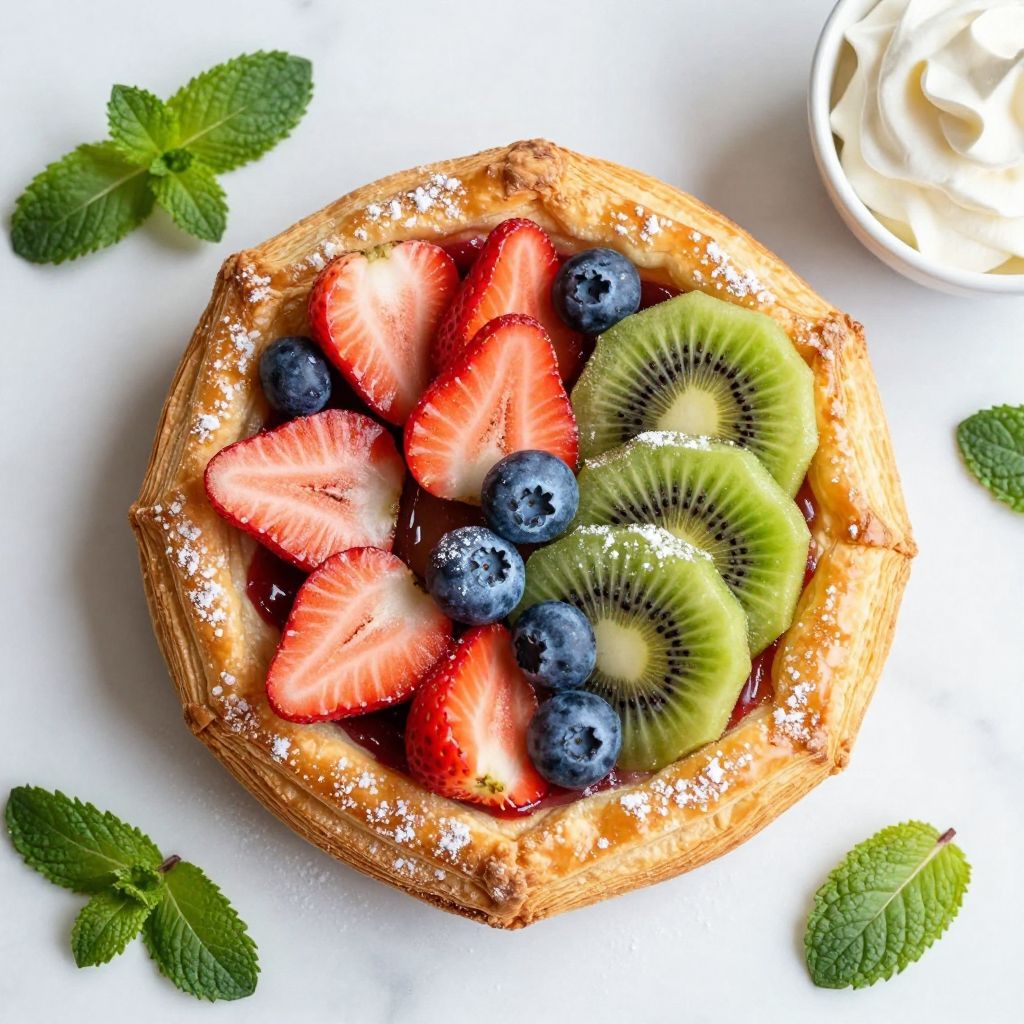
- Serve with fresh fruit fillings for a delightful pie.
- Use as a base for creamy quiches with your favorite veggies.
- Pair with rich chocolate ganache for a decadent dessert.
- Fill with spiced pumpkin for a seasonal treat.
Variations to Try
- Add herbs like rosemary or thyme for a savory twist.
- Incorporate ground nuts for a nutty flavor.
- Use whole wheat flour for a heartier texture.
- Try a gluten-free blend for those with dietary restrictions.
Dietary Adaptations
- Gluten-free: Substitute with a gluten-free flour blend.
- Dairy-free: Use coconut oil or vegan butter.
- Vegan: Opt for plant-based butter and omit eggs.
- Low-carb/Keto: Use almond flour instead of all-purpose flour.
Storage and Reheating
Refrigerator
Store leftover pastry in an airtight container for up to 3 days.
- Wrap tightly to prevent drying out.
- Refrigerate before rolling out again.
Freezer
Freeze unbaked pastry for up to 3 months.
- Wrap well in plastic wrap and place in a freezer bag.
- Thaw in the fridge before using.
Reheating
To reheat baked pastry, warm in a 350°F (175°C) oven for about 10 minutes.
- This keeps it crisp while warming the filling.
- Cover with foil if it browns too quickly.
Nutrition Information
| Nutrient | Amount |
|---|---|
| Calories | 150 |
| Total Fat | 10g |
| Saturated Fat | 6g |
| Carbohydrates | 13g |
| Fiber | 0g |
| Sugar | 1g |
| Protein | 2g |
| Sodium | 150mg |
| Cholesterol | 30mg |
Note that nutritional values can vary based on specific ingredients and portion sizes.
Frequently Asked Questions
Can I make this pastry in advance?
Yes, you can prepare the dough ahead of time and store it in the fridge or freezer.
What can I substitute for butter?
Coconut oil or vegan butter works well as a substitute for a dairy-free option.
How do I prevent a soggy bottom?
Pre-baking the crust helps to avoid sogginess when adding wet fillings.
Why is my pastry tough?
Overmixing the dough or using warm ingredients can lead to a tough texture.
Can I freeze the baked pastry?
Yes, you can freeze baked pastries for up to 3 months, ensuring they are well-wrapped.
Final Thoughts
This Short Crust Pastry Recipe is a staple that will serve you well in the kitchen. I encourage you to try it out and experiment with different fillings.
Once you master this, you might find yourself wanting to whip up pastries for every occasion. For more delicious ideas, check out my Betty Crocker Pie Crust Recipe or learn how to make a Quiche Crust Recipe. Happy baking!
Short Crust Pastry
Ingredients
Equipment
Method
- In a mixing bowl, whisk together the flour, sugar, and salt.
- Add the chilled, cubed butter to the flour mixture. Use a pastry cutter or fork to blend until the mixture resembles coarse crumbs.
- Gradually add cold water, one tablespoon at a time, mixing gently with a fork.
- Once the dough starts to come together, use your hands to form it into a ball.
- Wrap the dough ball in plastic wrap and refrigerate for at least 30 minutes.
- On a lightly floured surface, roll out the chilled dough into a circle about 1/8 inch thick.
- Carefully transfer the rolled dough into your pie dish or tart pan.
- Prick the bottom with a fork and bake at 375°F (190°C) for about 20 minutes.