
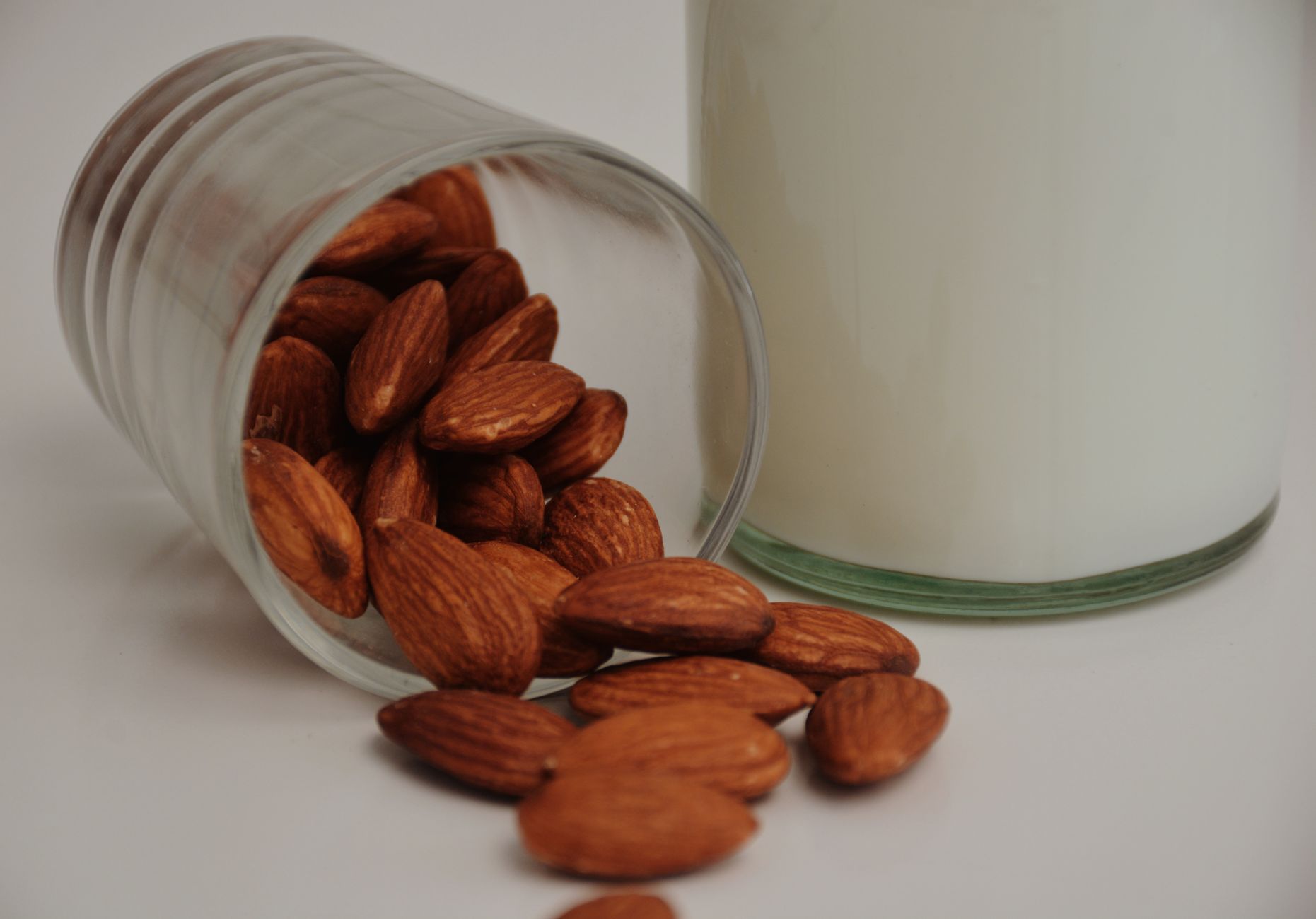
Almond milk has surged in popularity as a plant-based alternative to dairy, often attracting those looking to reduce fat or calorie intake. Many wonder, though, is almond milk truly low fat? This comprehensive guide will explore almond milk’s nutritional profile, its culinary uses, and provide a variety of serving ideas to help integrate it into your diet effectively.
Understanding whether almond milk is low fat requires examining its composition compared to traditional cow’s milk and other milk alternatives. We will delve into its health benefits, nutrient composition, and practical uses in cooking and baking.
Is Almond Milk Low Fat?
Yes, almond milk is generally considered low fat. Unsweetened almond milk contains a mere 30 to 40 calories per cup, with approximately 2.5 grams of fat, primarily coming from the almonds. This makes it a favorable choice for those monitoring their fat intake compared to whole milk, which has around 150 calories and 8 grams of fat per cup.
The Nutritional Profile of Almond Milk
To better understand why almond milk is deemed low fat, let’s analyze its nutritional content. An 8-ounce serving of unsweetened almond milk typically contains:
| Nutrient | Per 8-ounce serving |
|---|---|
| Calories | 30 – 40 |
| Fat | 2.5 grams |
| Carbohydrates | 1 – 2 grams |
| Protein | 1 gram |
| Sugar | 0 – 1 gram |
| Calcium | Often fortified when processed |
Types of Almond Milk
When exploring almond milk, it’s essential to distinguish between the different types available:
- Unsweetened Almond Milk: Contains no added sugars, making it ideal for those looking to limit caloric and sugar intake.
- Sweetened Almond Milk: Has added sugars, increasing both caloric content and glycemic impact. Check the label for sugar content.
- Vanilla or Chocolate Almond Milk: Flavored varieties that can have added sugars and calories, often used in smoothies or desserts.
- Fortified Almond Milk: This version often includes added vitamins and minerals, such as calcium and vitamin D, to enhance its nutritional value.
Health Benefits of Almond Milk
In addition to being low in fat, almond milk has several health benefits worth noting:
- Low Caloric Content: Ideal for those aiming to lose weight or control calorie intake.
- Lactose-Free: A suitable alternative for individuals with lactose intolerance or dairy sensitivity.
- Rich in Vitamins: Depending on fortification, almond milk can provide vital nutrients, including vitamin E, which acts as an antioxidant.
- Heart Health: Almonds are known to promote heart health, and their associated fats are primarily unsaturated, which might help lower bad cholesterol.
Using Almond Milk in Cooking and Baking
Almond milk is highly versatile and can be used in various recipes and meals. Below, find practical applications based on its properties.
1. Smoothies
Almond milk serves as an excellent base for smoothies, offering a creamy texture without the fat of dairy. Pair it with fresh or frozen fruits, greens, and protein powder for a nutritious breakfast or snack.
2. Baking
Almond milk can be used as a substitute for cow’s milk in baking recipes. It works well in:
- Cakes: Use almond milk in recipes for sponges, cupcakes, and brownies. It imparts a mild nutty flavor.
- Pancakes and Waffles: Substitute almond milk for dairy milk to achieve light and fluffy batters.
- Biscuits: Enhance your biscuit recipes without the added fat of butter or whole milk.
3. Sauces and Soups
Integrate almond milk into creamy sauces and soups. It can replace heavy cream in recipes such as:
- Alfredo Sauce: For a lighter version, begin by sautéing garlic, adding flour, and substituting almond milk for cream.
- Creamy Soups: Blend vegetables with almond milk for a rich, creamy texture without substantial fat.
4. Cereal and Oatmeal
Start your day by pouring almond milk over cereal or cooked oatmeal for a delicious, nutritious breakfast. It pairs especially well with granola, fruit, and nuts.
5. Coffee and Tea
Many people enjoy almond milk in coffee, lattes, or tea, providing a dairy-free option that enhances flavor. Use it as a creamer or froth it for lattes.
Serving Ideas for Almond Milk
Beyond its culinary applications, here are some inventive ways to enjoy almond milk:
- Chia Pudding: Combine almond milk with chia seeds and let it sit overnight for a nutritious breakfast or snack.
- Milkshakes: Blend almond milk with frozen bananas for a healthier alternative to traditional milkshakes.
- Overnight Oats: Use almond milk as the liquid base for overnight oats, mixing it with oats and desired toppings.
Common Mistakes When Choosing Almond Milk
When selecting almond milk, consider these common pitfalls to ensure you’re making the healthiest choice:
- Not Checking Labels: Flavorful varieties often contain added sugars. Always check nutrition labels carefully.
- Choosing Unsweetened Varieties: If you’re watching sugar intake, unsweetened almond milk is your best option.
- Ignoring Fortification: If you rely on almond milk as a primary source of calcium or vitamins, choose fortified versions for added nutrients.
Practical Substitutions for Almond Milk
If you need to substitute almond milk in a recipe or prefer alternatives, consider these options:
- Soy Milk: Higher in protein, soy milk provides a similar creamy texture and is also lower in fat.
- Coconut Milk: Richer and creamier, it has a distinct coconut flavor and can work well in desserts.
- Oat Milk: A thicker alternative, oat milk is naturally sweeter but slightly higher in carbs.
- Cashew Milk: Like almond milk, it’s low in calories and provides a rich, creamy texture.
Storing Almond Milk
Once opened, almond milk should be stored properly to maintain its quality:
- Refrigeration: Keep almond milk refrigerated and consume it within seven days of opening. Check the best-by date if unopened.
- Freezing: Almond milk can be frozen, although the texture may change. Thaw it in the refrigerator before use.
Conclusion
Almond milk is indeed low in fat, making it a popular choice for those seeking healthier alternatives to dairy. Its versatility in cooking, baking, and more makes it an excellent addition to various diets. Whether you are preparing a smoothie, baking, or enjoying it on its own, almond milk offers a nutritious and delicious option.
For more delicious recipes and useful cooking tips, explore our chia pudding recipe or learn how to bake with almond flour.