
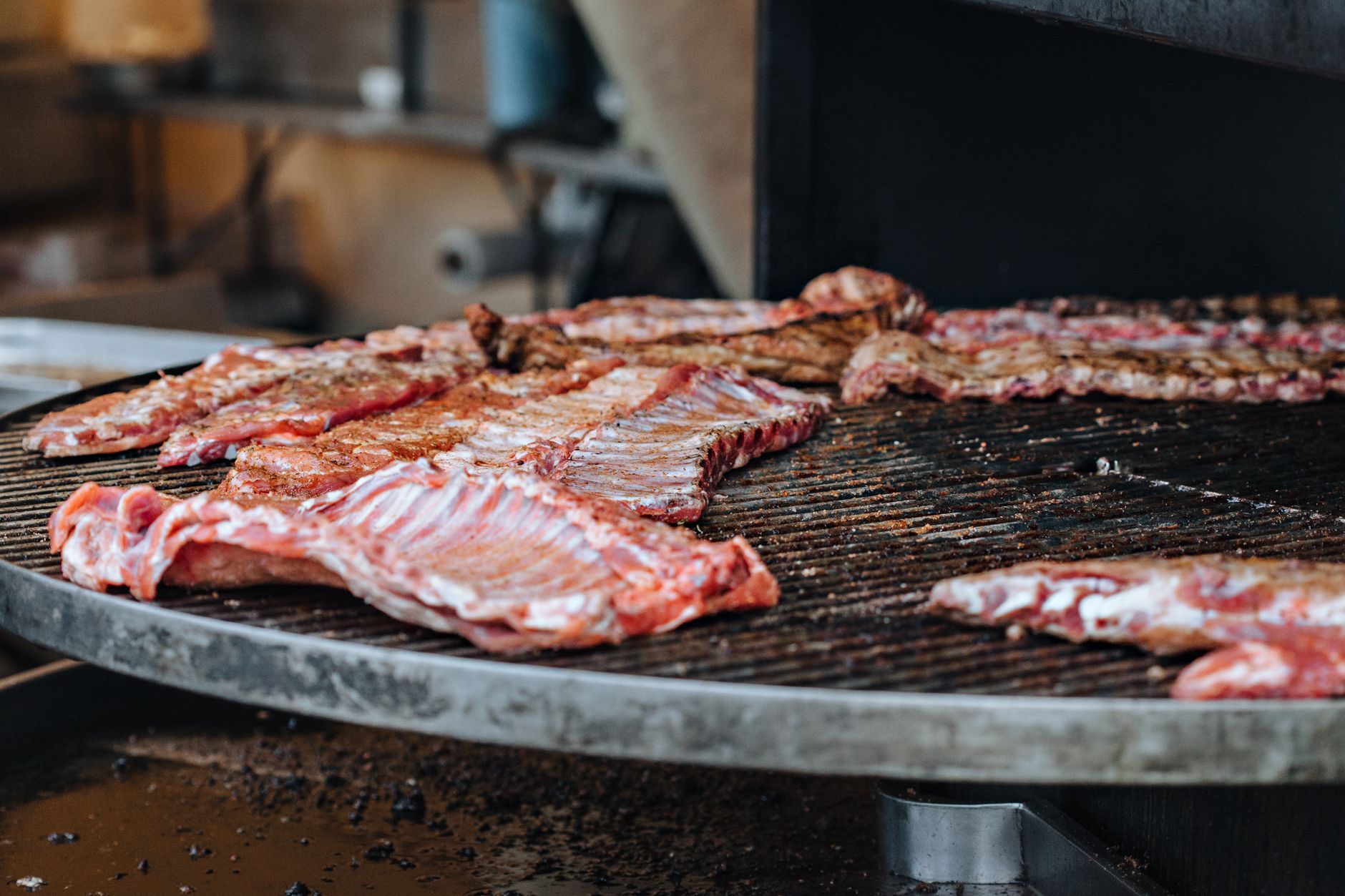
Pork ribs are a tender and flavorful cut of meat popular in many culinary traditions. Cooking them to the right temperature is crucial for achieving the perfect texture and flavor. Understanding the ideal temperature for pork ribs ensures your meal will be juicy, succulent, and delicious.
This comprehensive guide will cover what temperature pork ribs should be cooked to, the importance of cooking times, and share tips and techniques for preparing them to perfection.
What Temp Should Pork Ribs Be? (Timing & Temperature Guide)
The ideal internal temperature for cooked pork ribs is 190°F to 203°F (88°C to 95°C). At this range, the connective tissues break down, resulting in tender meat that easily pulls away from the bone. It is essential to use a meat thermometer to ensure accuracy and avoid undercooking or overcooking.
The Importance of Temperature in Cooking Pork Ribs
Cooking pork ribs to the recommended temperature is crucial not just for flavor but also for food safety. Undercooked pork can harbor harmful bacteria, while overcooked pork may turn dry and tough. Knowing the right temperature helps achieve optimal tenderness without sacrificing taste or safety.
Why Use a Meat Thermometer?
A meat thermometer is your best friend when cooking pork ribs. It eliminates guesswork, ensuring that you know the exact moment your ribs reach the desired temperature. This precision helps prevent the disappointment of chewy or overly dry ribs.
Understanding Different Cooking Methods for Pork Ribs
Pork ribs can be prepared using various cooking methods, each offering unique flavors and textures. The three most common techniques are grilling, smoking, and baking. Each method requires specific temperature considerations and timings to bring out the best in your ribs.
1. Grilling Pork Ribs
Grilling pork ribs can impart a smoky, charred flavor that many people enjoy. To achieve the perfect results, follow these guidelines:
- Preparation: Season your ribs with a dry rub or marinade and allow them to sit at room temperature for about 30 minutes.
- Grill Temperature: Preheat your grill to medium-low heat (about 225°F to 250°F / 107°C to 121°C).
- Cooking: Cook the ribs for several hours, turning them occasionally. The goal is to maintain a steady, low temperature.
- Internal Temperature: Use a meat thermometer to check for the ideal internal temperature of 190°F to 203°F.
2. Smoking Pork Ribs
Smoking is a beloved method for cooking ribs, providing a deep, rich flavor and tenderness. Here’s how to smoke pork ribs:
- Preparation: Like grilling, season your ribs and let them rest at room temperature.
- Smoker Temperature: Preheat your smoker to 225°F to 250°F (107°C to 121°C).
- Duration: Smoke for 4 to 6 hours, depending on the thickness of the ribs.
- Internal Temperature: Confirm that the ribs reach at least 190°F to 203°F using a meat thermometer.
3. Baking Pork Ribs
Baking is a straightforward cooking method that often results in tender and juicy ribs. Follow these steps for baking pork ribs:
- Preparation: Preheat your oven to 300°F (149°C). Season your ribs and wrap them in aluminum foil.
- Baking Time: Place the wrapped ribs in the oven and bake for about 2.5 to 3 hours.
- Final Touch: Remove from the oven, unwrap, and apply barbecue sauce if desired. Bake uncovered for an additional 30 minutes to caramelize the sauce.
- Internal Temperature: Confirm that the ribs have reached 190°F to 203°F.
Timing for Cooking Pork Ribs
Cooking times for pork ribs can vary based on the method used. Here’s a rough guideline for cooking times according to different methods:
| Cooking Method | Temperature (°F) | Approximate Time |
|---|---|---|
| Grilling | 225°F to 250°F | 4 to 6 hours |
| Smoking | 225°F to 250°F | 4 to 6 hours |
| Baking | 300°F | 2.5 to 3.5 hours |
Common Mistakes When Cooking Pork Ribs
Even the most experienced cooks can encounter pitfalls when preparing pork ribs. Here are some common mistakes to avoid:
- Skipping the Thermometer: Relying only on visual cues can lead to undercooking or overcooking.
- Too High Heat: Cooking ribs at too high a temperature can dry them out. Always keep it low and slow for the best results.
- Opening the Grill/Smoker Too Often: Frequent checking can release heat and prolong cooking time. Try to limit this to only when necessary.
Serving Suggestions for Pork Ribs
Pork ribs can be served in many delightful ways. Here are a few suggestions:
- Classic Barbecue: Serve your ribs with classic barbecue sauce, corn on the cob, and coleslaw for a true comfort meal.
- Garnish: Fresh herbs or scallions can add a burst of color and flavor.
- Side Dishes: Baked beans, potato salad, and garlic bread make excellent companions.
Make-Ahead Options
If you’re planning a get-together or want to prep in advance, pork ribs can be prepared ahead of time:
- Cook and Refrigerate: Ribs can be fully cooked and then stored in the refrigerator for up to three days. Reheat in the oven or grill.
- Freeze: Cooked ribs can be frozen for up to three months. Wrap them tightly in plastic wrap and aluminum foil to prevent freezer burn.
Storage and Reheating Guidance
Proper storage and reheating of cooked pork ribs will help maintain their quality:
- Storage: Store leftover ribs in an airtight container or wrapped tightly in plastic wrap. Keep them refrigerated for up to three days.
- Reheating: To reheat, wrap the ribs in aluminum foil and place them in a 350°F (175°C) oven until warmed through, about 20-30 minutes.
FAQ About Cooking Pork Ribs
How can I tell if my pork ribs are done if I don’t have a thermometer?
If you don’t have a thermometer, you can use a few cues. When ribs are done, the meat should pull away from the bone with minimal resistance, and the meat should be tender and juicy. However, it’s always best to use a thermometer for safe cooking.
What is the difference between baby back ribs and spare ribs?
Baby back ribs are smaller, more tender, and leaner, located near the spine. Spare ribs are larger and meatier, located in the belly area. While they can be used interchangeably in some recipes, cooking times and methods may vary slightly due to the difference in size and fat content.
Final Thoughts on Cooking Pork Ribs
Cooking pork ribs to the right temperature is essential for achieving that melt-in-your-mouth tenderness and flavor. Remember to utilize a proper cooking method, keep an eye on the internal temperature, and choose your favorite seasonings.
With this guide, you now have the knowledge needed to cook pork ribs like a pro. Whether you choose to grill, smoke, or bake, you can enjoy a delicious and satisfying meal together with family or friends. Excite your taste buds by exploring new flavors and techniques while mastering pork rib cooking.
If you’re interested in trying out some delicious rib recipes, be sure to check out our boneless pork ribs recipe or our easy slow cooker ribs recipe for more inspiration.