
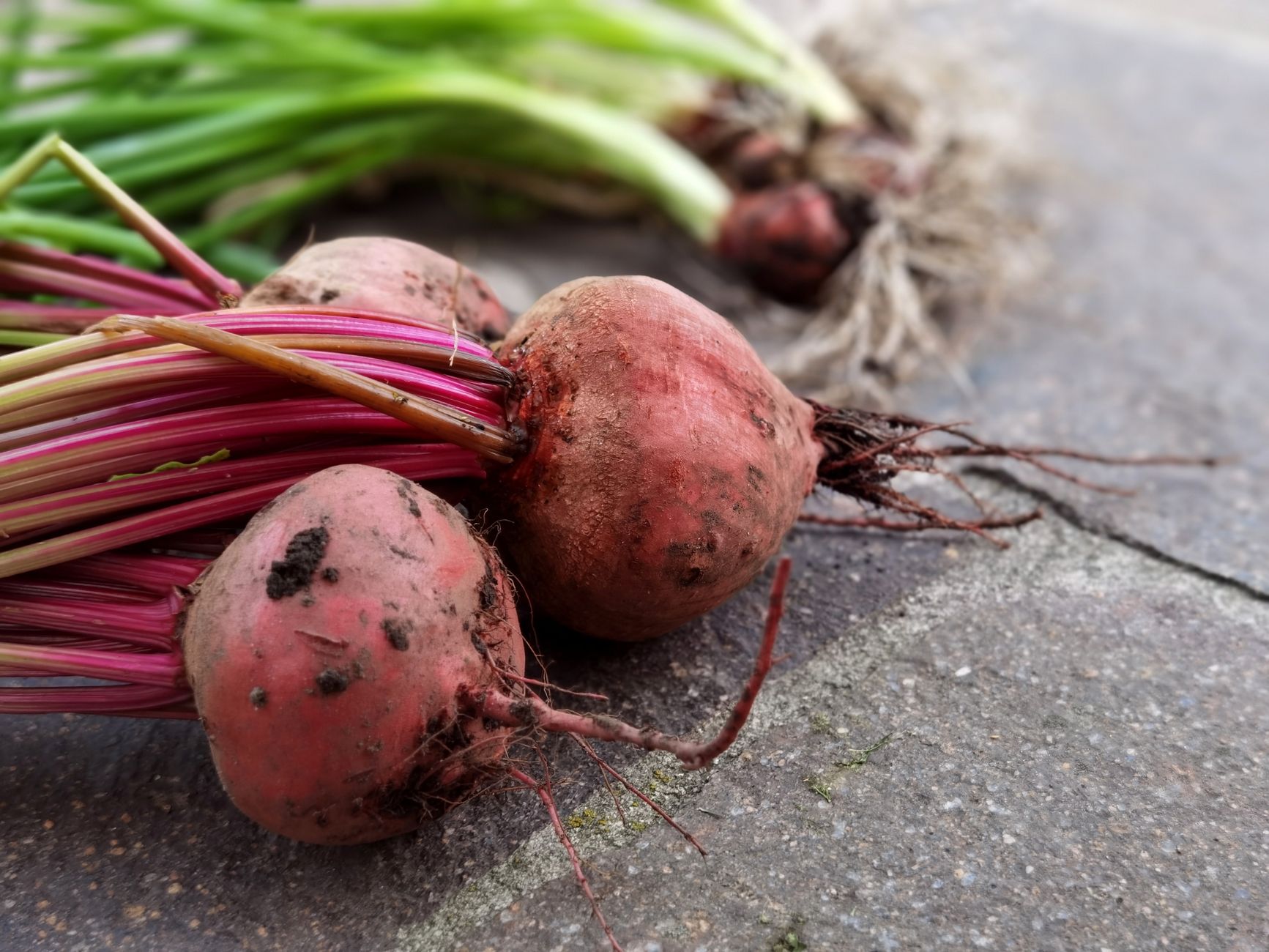
Beets, also known as beetroot, are root vegetables that belong to the Chenopodiaceae family. They are known for their vibrant colors — primarily deep purple, but also golden and striped varieties — and earthy flavor profile. Beets are not only versatile in culinary applications but also packed with essential nutrients, making them a popular choice in various dishes.
In this article, we’ll explore what beets are, their flavor and texture, how to prepare and serve them, as well as some delicious ways to incorporate them into your meals. Whether you’re new to cooking with beets or looking to refine your skills, this guide will provide you with the information you need.
What Is a Beet?
A beet is the edible root of the Beta vulgaris plant, commonly cultivated for its nutritional benefits and unique flavor. Beets can be consumed in various forms — raw, roasted, pickled, or juiced. They are known for their sweet, earthy taste and vibrant hue, which can vary greatly among different beet varieties.
Ingredients and Nutritional Profile
Beets are composed primarily of water, carbohydrates, and fiber, and they contain a variety of vitamins and minerals.
- Water: 87%
- Carbohydrates: 9.56 grams
- Fiber: 2.8 grams
- Protein: 1.61 grams
- Fat: 0.2 grams
In terms of vitamins and minerals, beets are rich in:
- Folate (Vitamin B9)
- Manganese
- Potassium
- Iron
- Vitamin C
This impressive nutritional profile makes beets a healthy addition to your diet, providing antioxidants and anti-inflammatory benefits.
Flavor Profile
The flavor of beets is often described as sweet and earthy, with a slightly bitter undertone. When cooked, their sweetness intensifies, and they develop a tender texture. Raw beets have a crunchy consistency and are often used in salads, while cooked beets can be used in a variety of dishes, including soups, side dishes, and snacks.
How to Choose and Store Beets
When selecting beets at the grocery store or farmer’s market, look for:
- Firmness: Choose beets that feel firm and heavy for their size.
- Skin: Look for smooth and unblemished skin, avoiding any that show signs of mold or soft spots.
- Leaves: If possible, choose beets with fresh, vibrant green tops, as this indicates freshness and quality.
To store beets, remove the greens if they are still attached, as these can draw moisture away from the root. Store beets in a plastic bag in the refrigerator crisper drawer, where they can last for up to two weeks. Roasted or cooked beets can be stored in an airtight container in the fridge for about three to five days.
Preparation Techniques for Beets
Beets can be prepared in several ways, including boiling, roasting, steaming, and pickling. Below are guidelines for each method:
Boiling Beets
- Wash the beets thoroughly to remove any dirt.
- Place them in a pot and cover them with cold water.
- Bring the water to a boil, then reduce to a simmer.
- Cook for 30 to 45 minutes, depending on their size, until they can be pierced easily with a fork.
- Drain and cool slightly before peeling the skin under running water.
Roasting Beets
- Preheat your oven to 400°F (200°C).
- Wash and trim the beets, leaving the skin on for roasting.
- Wrap each beet in aluminum foil and place them on a baking sheet.
- Roast for 45 to 60 minutes, or until they are tender when pierced with a knife.
- Let cool, then peel and slice as desired.
Steaming Beets
- Wash and trim the beets.
- Place a steamer basket in a pot with about an inch of water.
- Add the beets to the basket and cover the pot with a lid.
- Steam for about 30 to 40 minutes until fork-tender.
- Cool slightly before peeling and serving.
Pickling Beets
- Prepare boiled or roasted beets, peeled and sliced.
- In a jar, combine equal parts vinegar (like apple cider) and water.
- Add sugar, salt, and spices (such as dill or allspice) to taste.
- Place the sliced beets in the jar, pour over the pickling liquid, and seal.
- Allow to chill in the refrigerator for at least 24 hours before consuming.
Serving Suggestions
Beets can be used in a variety of dishes, making them a versatile ingredient. Here are some suggestions on how to incorporate beets into your meals:
Salads
Beets add vibrant color and sweetness to salads. Consider mixing roasted or boiled beets with mixed greens, goat cheese, walnuts, and a balsamic vinaigrette for a refreshing dish.
Soups
Borscht, a traditional Russian soup, features beets as its star ingredient. This bright pink soup is often served hot or cold and is typically garnished with sour cream and fresh herbs.
Side Dishes
Roasted beets can be served as a side dish seasoned with olive oil, salt, and pepper. You can also toss them with herbs like thyme or rosemary for added flavor.
Juicing and Smoothies
Beets can be juiced for a nutrient-rich beverage or blended into smoothies. Pair them with fruits like apples, oranges, or ginger for a delicious and health-promoting drink.
Common Mistakes and Troubleshooting
Here are some common mistakes when cooking with beets and how to troubleshoot them:
- Overcooking: Cooking beets too long can lead to a mushy texture. Use a fork to check for doneness regularly.
- Underseasoning: Beets have a natural sweetness, but they benefit from salt and acidity. Adjust seasoning to enhance their flavor.
- Peeling before cooking: Peeling beets before cooking can result in flavor loss and color bleeding. Always peel after cooking.
- Staining hands and surfaces: Beets can stain. Wear gloves when handling raw beets and use a cutting board that you don’t mind staining.
Practical Substitutes for Beets
If beets aren’t available or you are unable to use them, consider these alternatives that can offer a similar texture or flavor:
- Carrots: Offer sweetness and earthiness, but are milder in flavor.
- Sweet Potatoes: Provide a sweet flavor and can mimic the texture of roasted beets.
- Turnips: Add a peppery taste and can be used in a similar fashion in salads or sides.
Meal Planning with Beets
Incorporating beets into your meal planning can enhance your weekly menus without much effort. Here’s how you can effectively plan meals around beets:
- Batch Cooking: Roast or boil a large batch of beets at once and store them for use in various dishes throughout the week.
- Ingredient Overlap: Use beets alongside grains like quinoa, which can be used in salads or as a base for bowls.
- Seasonal Variations: Pair beets with seasonal vegetables and fruits for diverse flavors year-round.
Conclusion
Beets are a versatile and nutritious root vegetable, perfect for elevating a variety of dishes. Their unique flavor, along with their vibrant color, makes them a delightful ingredient in salads, soups, sides, and juices. By understanding their preparation techniques and serving suggestions, you can easily incorporate beets into your meals. Start with simple cooking methods and experiment with different recipes to fully enjoy the benefits this vegetable has to offer.
To explore more delicious recipes, check out our Harvard beets recipe and learn more about the leafy greens in your meals by visiting What is chard?.