
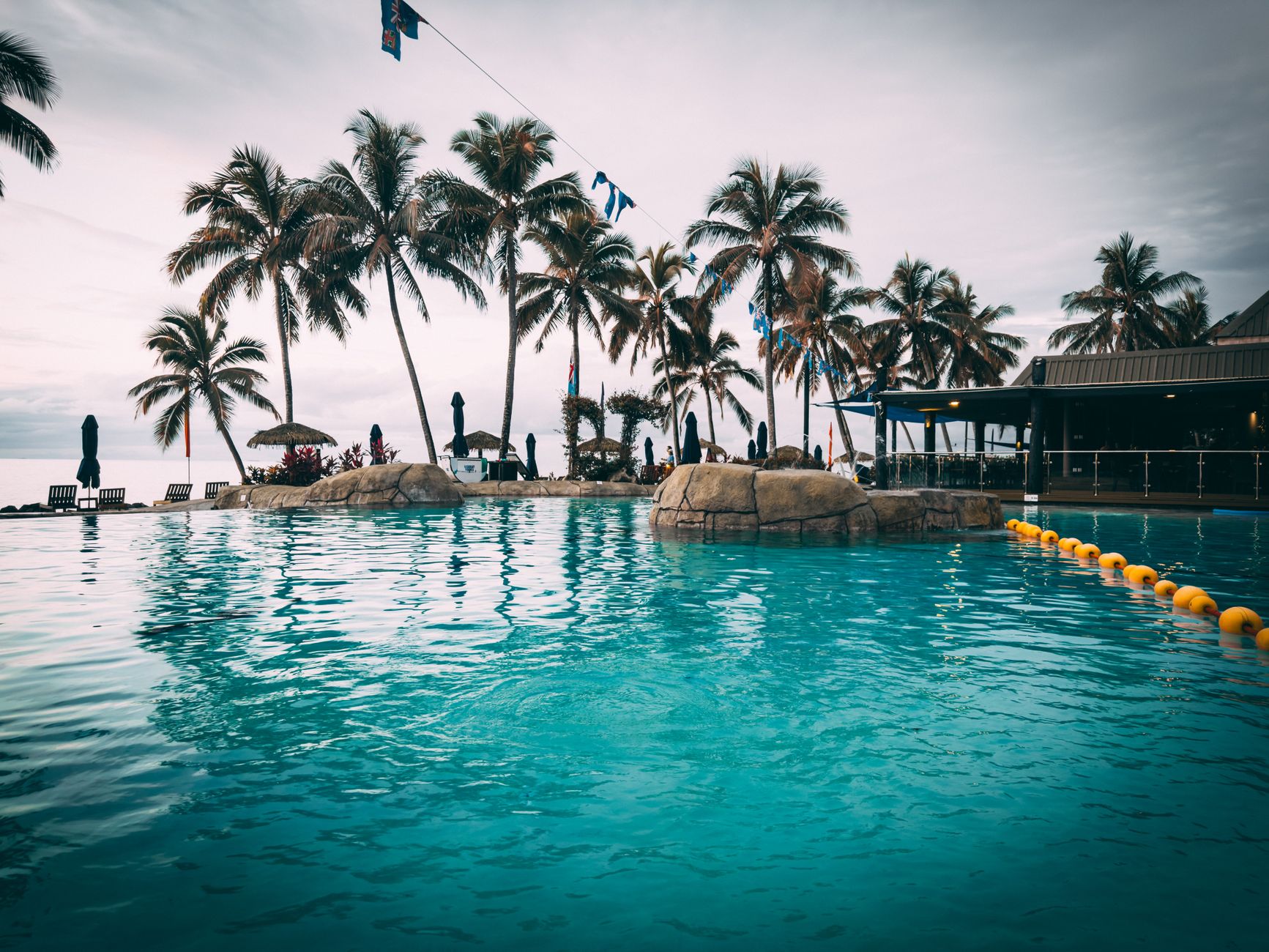
Fiji Water has gained popularity as a luxurious bottled water choice, but many may wonder about its safety. This article explores the safety of drinking Fiji Water, including its sourcing, mineral content, purification process, and environmental concerns.
Understanding what makes Fiji Water unique is essential for consumers interested in hydration and health. We will also address common questions regarding bottled water safety and provide practical tips for enjoying your water—whether it’s from Fiji or your kitchen sink.
Is Fiji Water Safe to Drink?
Yes, Fiji Water is generally considered safe to drink. It undergoes rigorous purification and testing to ensure that it meets health and safety standards set by regulatory agencies. Its mineral content and unique sourcing contribute to its appeal, but it is important to be aware of potential environmental impacts associated with bottled water consumption.
Understanding the Source of Fiji Water
Fiji Water is sourced from an aquifer located on the island of Viti Levu in Fiji. The water is collected from a natural spring that sits beneath a tropical rainforest, providing a protected environment free from pollution.
The remote location of the aquifer allows the water to be naturally filtered through volcanic rock, enriching it with various beneficial minerals such as silica, calcium, and magnesium. The unique mineral profile contributes to Fiji Water’s crisp taste and perceived health benefits.
Purification Process
After collection, Fiji Water undergoes a stringent purification process. This process typically includes:
- Filtration: Multiple filtration methods remove sediment and larger particles to ensure clarity.
- Ozonation: Ozone is used to disinfect the water by eliminating bacteria, viruses, and other potential contaminants.
- Ultraviolet (UV) Treatment: This final disinfection step further ensures that harmful microorganisms are eradicated, providing an added layer of safety.
These purification steps follow guidelines set by organizations like the U.S. Food and Drug Administration (FDA) and the International Bottled Water Association (IBWA), making Fiji Water a reliable option for consumers.
Mineral Content and Health Considerations
The mineral profile of bottled water can influence its taste and potential health benefits. Fiji Water is rich in beneficial minerals, including:
- Silica: Known for its potential role in skin and hair health.
- Calcium: Important for bone health.
- Magnesium: Involved in various metabolic processes.
While the minerals present in Fiji Water can contribute to hydration and provide beneficial nutrients, it’s essential to consider your overall dietary intake. Drinking bottled water should supplement your diet rather than replace balanced nutrition.
Common Misconceptions about Bottled Water
There are several myths surrounding bottled water, including Fiji Water. Understanding these misconceptions can help you make informed choices:
- All bottled water is safer than tap water: While some bottled water is purified, tap water is also regulated and treated to meet safety standards in many areas.
- Bottled water is always free of contaminants: Although Fiji Water goes through rigorous purification, bottled water can still be susceptible to contaminations if not stored properly.
- Mineral content determines safety: While minerals are beneficial, they don’t necessarily correlate with the safety of drinking water.
Environmental Considerations
Despite its safety, the consumption of bottled water, including Fiji Water, raises significant environmental concerns. The production and disposal of plastic bottles contribute to pollution and waste. Here are some important points to consider:
- Plastic Waste: The majority of plastic water bottles are not recycled and end up in landfills or oceans, harming the ecosystem.
- Carbon Footprint: Transporting bottled water from Fiji to various countries has a considerable carbon footprint, which exacerbates environmental issues.
- Over-extraction of Resources: The extraction of water from aquifers can deplete local water resources, affecting communities and ecosystems.
Considering these environmental impacts, some consumers choose to reduce their reliance on bottled water by using reusable containers and filtration systems at home. This approach can be a more sustainable choice while still ensuring access to safe drinking water.
Practical Tips for Safe Drinking Water
If you prefer Fiji Water or bottled water in general, consider these practical tips for ensuring safe and enjoyable hydration:
- Check Expiration Dates: Bottled water can have an expiration date. Ensure you are consuming water within its shelf life for optimal safety.
- Avoid Exposure to Heat: Store bottled water in a cool, dark place. Heat can affect the integrity of the plastic and potentially leach harmful chemicals into the water.
- Reuse Properly: If you plan to reuse plastic bottles, clean them thoroughly. Avoid leaving water in them for extended periods and only refill with safe drinking water.
- Consider Home Filtration Systems: For a sustainable option, invest in a home water filtration system to enjoy clean, tasty water from your tap.
What to Look For in Bottled Water
When selecting bottled water, consider the following factors to ensure safety and quality:
- Source Transparency: Companies should be transparent about where the water is sourced. Look for brands that provide this information clearly.
- Purification Process: Consider water that has undergone thorough purification and testing, including filtration and disinfection methods.
- Mineral Content: Examine the label for mineral content, especially if you are looking for specific benefits.
- Environmental Impact: Research brands that prioritize sustainability in packaging and sourcing.
Common Questions about Fiji Water
Can you drink Fiji Water every day?
Yes, drinking Fiji Water daily can be part of a healthy hydration routine, provided that it fits within your overall dietary intake. Be mindful of your total water consumption and balance it with other hydration sources.
Does Fiji Water contain fluoride?
Fiji Water is naturally low in fluoride. If you’re looking for fluoride-free water, Fiji Water may be a good option, but always check the label or reach out to the brand for specific information.
How does Fiji Water compare to other bottled waters?
Fiji Water is known for its unique mineral profile, particularly its silica content, which differs from brands like Evian or San Pellegrino, each of which offers distinct flavors and mineral compositions. The choice largely depends on personal taste and specific dietary needs.
Conclusion
Fiji Water is generally safe to drink, offering mineral content and a unique taste that many enjoy. However, it’s important to consider environmental impacts and potential alternatives. By being conscious consumers, we can ensure that our hydration choices are both safe and considerate of the planet.
For more insights on water choices, check out what is the best bottled water to drink, or learn how to store leftovers safely with cooked chicken guidelines. Exploring these topics can help you make informed decisions in your everyday food and drink consumption.