
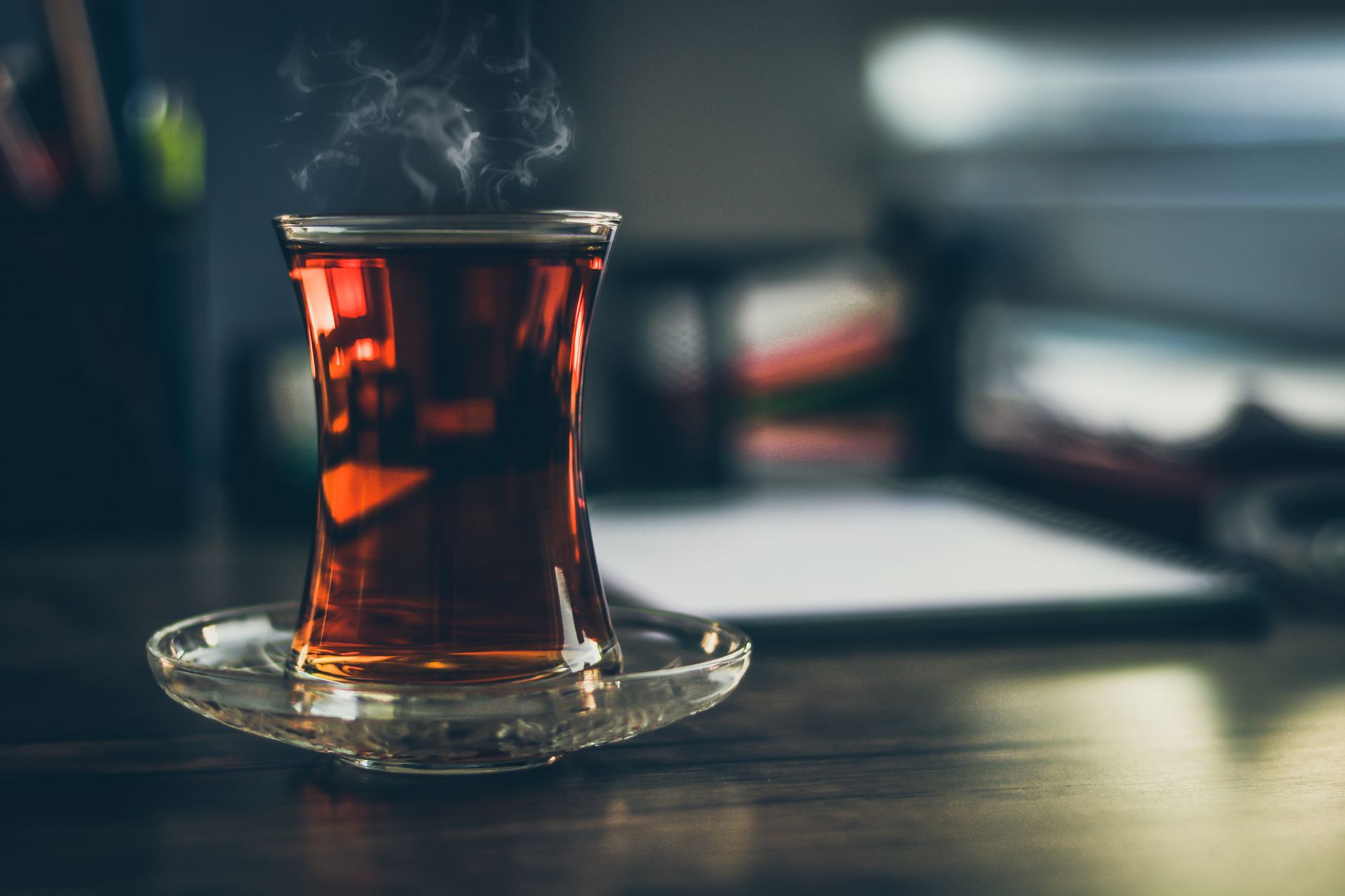
Black tea is a popular beverage enjoyed worldwide, renowned for its rich flavor and stimulating qualities. For many, a cup of black tea is a cherished part of their daily routine. However, the question remains: does black tea contain caffeine? In this article, we’ll delve into the caffeine content of black tea, explore its ingredients, and provide serving tips to enhance your tea-drinking experience.
Understanding the caffeine content in black tea is crucial for those who may want to monitor their intake. With varying levels of caffeine based on preparation, blend, and steeping time, this article will help you navigate the world of black tea while considering your personal preferences and dietary needs.
Does Black Tea Have Caffeine?
Yes, black tea does contain caffeine. On average, an 8-ounce cup of black tea contains about 40 to 70 milligrams of caffeine. Several factors affect the exact amount, including the tea variety, steeping time, and water temperature used during brewing.
Understanding Caffeine in Black Tea
Caffeine is a natural stimulant that can enhance alertness and reduce fatigue. Different types of tea, including black tea, white tea, green tea, and herbal teas, have varying caffeine levels. Below are key factors influencing caffeine content in black tea.
1. Tea Type and Blend
Not all black teas are created equal. Different blends from various regions, such as Assam, Darjeeling, and Ceylon, can have unique caffeine levels. For instance:
- Assam Black Tea: Typically higher in caffeine, ranging from 60 to 90 milligrams per 8-ounce serving.
- Darjeeling Black Tea: Often lower in caffeine, around 40 to 70 milligrams.
- Ceylon Black Tea: Usually falls somewhere in between, with about 50 to 80 milligrams.
2. Steeping Time
The duration of steeping can significantly affect caffeine extraction. Generally, the longer the tea steeps, the higher the caffeine content:
- 1-2 minutes: Mild caffeine extraction, approximately 30-50 milligrams.
- 3-5 minutes: Optimal steeping for caffeine, yielding about 40-70 milligrams.
- 5-10 minutes: Full extraction may lead to 70-100 milligrams, depending on the tea leaves.
3. Water Temperature
Hotter water tends to extract more caffeine. The ideal brewing temperature for black tea is between 200°F to 212°F (93°C to 100°C). Keeping this in mind can help you adjust the caffeine level based on your preferences.
How Does Black Tea Compare to Other Beverages?
To put black tea’s caffeine content into perspective, here is a comparison to other common beverages:
| Beverage | Caffeine Content (per 8 oz) |
|---|---|
| Black Tea | 40-70 mg |
| Green Tea | 20-45 mg |
| Coffee | 95-200 mg |
| Espresso | 63 mg |
| Herbal Tea | 0-10 mg |
Clearly, black tea contains more caffeine than green tea but significantly less than coffee. This makes it a suitable alternative for those who wish to reduce their caffeine consumption while still enjoying a flavorful beverage.
Health Considerations of Caffeine
While caffeine can provide benefits like improved mental alertness and enhanced athletic performance, excessive consumption can lead to negative side effects including:
- Insomnia
- Increased heart rate
- Nervousness
- Digestive issues
For most adults, a daily limit of 400 milligrams of caffeine is generally considered safe. However, sensitivity varies among individuals, and some may choose to limit their intake further. If you’re concerned about caffeine, consider trying decaffeinated black tea, which typically contains about 2 to 5 milligrams per 8-ounce serving.
Flavor Profile of Black Tea
Black tea is celebrated not just for its caffeine content but for its unique flavor profile as well. The taste can range from malty and robust to floral and fruity, depending on the tea variety. A few notable flavor characteristics include:
- Astringency: The dry, puckering sensation in the mouth, often found in strong Assam teas.
- Body: The thickness or richness of the tea, which can enhance the overall drinking experience.
- Bitterness: Present in certain blends, a subtle bitterness can balance the tea’s sweetness.
Serving Tips for Black Tea
Enjoying black tea can be a delightful sensory experience. Here are some serving tips to maximize your enjoyment:
1. Perfect Brewing
- Use **fresh, cold water** for the best flavors.
- Heat to a temperature between **200°F to 212°F**.
- Measure tea leaves at about **1 teaspoon per cup** or adjust to your taste preference.
- Allow the tea to steep based on your desired strength (typically 3-5 minutes).
- Remove tea leaves to prevent over-extraction and bitterness.
2. Flavor Enhancements
To enhance the taste of your black tea, consider adding:
- Milk or Cream: Adding dairy can create a creamy texture and balance the tea’s astringency.
- Sweeteners: Sugar, honey, or maple syrup can add sweetness to balance the tea’s bold flavors.
- Spices: Cinnamon, ginger, or cardamom not only heighten flavors but also add a healthful twist.
- Lemon or Citrus: A slice of lemon or a spritz of lime can brighten the flavor profile.
3. Iced Black Tea
Iced black tea is a refreshing way to enjoy this beverage, especially during warmer months. Here’s how to prepare it:
- Brew your black tea at double strength (use the same amount of tea leaves in half the water).
- Let it cool to room temperature.
- Pour over ice and add sweeteners or citrus, if desired.
- For an extra twist, infuse with fresh fruits like peaches or berries.
Essential Equipment for Brewing Black Tea
While brewing black tea is straightforward, having the right tools can make a significant difference in your experience:
- Teapot or Tea Infuser: Ideal for steeping loose leaf tea.
- Fine Mesh Strainer: Useful for straining loose leaves if a teapot isn’t available.
- Kettle: A kettle with a temperature gauge can help reach the perfect water temperature.
- Measuring Spoon: Ensures the right amount of tea leaves is used.
Common Mistakes When Brewing Black Tea
To brew the perfect cup of black tea, it’s important to avoid some common pitfalls:
- **Oversteeping:** Leaving tea leaves in too long can lead to bitterness.
- **Incorrect Temperature:** Using boiling water for delicate blends may ruin their flavor.
- **Stale Tea Leaves:** Using old or expired tea can result in a flat, dull flavor. Ensure freshness for the best experience.
Storing Black Tea
Proper storage of black tea is vital for maintaining its flavor and quality. Consider the following tips:
- Keep tea in an **airtight container** to protect it from moisture and air.
- Store in a **cool, dry place**, away from direct sunlight, to prevent degradation.
- Avoid keeping tea near strong odors since tea can absorb scents.
Decaffeinated Black Tea as an Alternative
If you’re looking for the flavor of black tea without the caffeine, consider decaffeinated options. Decaffeination methods vary, but the most common involves using water, carbon dioxide, or organic solvents to remove most of the caffeine while preserving the tea’s flavor. The process usually results in a product with 2-5 milligrams of caffeine per cup, making it suitable for those sensitive to caffeine.
Conclusion and Next Steps
Black tea provides a flavorful caffeine boost while offering the opportunity to enjoy its rich, complex profile. By understanding the caffeine content and following the tips outlined in this article, you can savor the best brewing practices and enhance your tea experience. If you are curious about different varieties, check out the advantages of black tea or learn about the caffeine content in chai tea.