
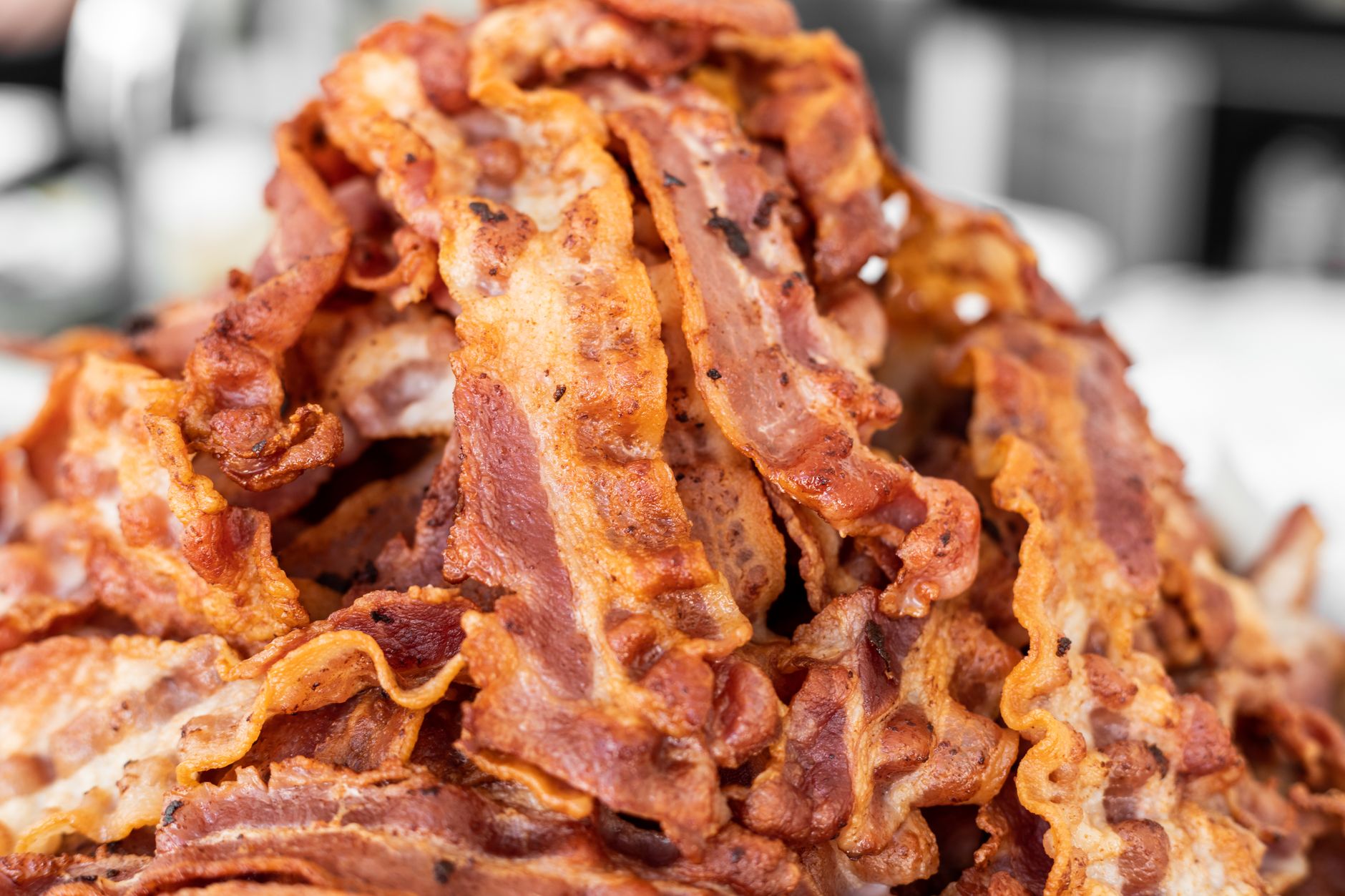
Bacon is a beloved breakfast staple, often considered the highlight of many morning meals. Its rich, savory flavor and crispy texture make it a popular choice for snacking and adding to various dishes. As many people pay close attention to their protein intake, understanding how much protein is in a piece of bacon can be quite valuable for planning a balanced diet.
This article will explore the protein content in bacon, discuss its nutritional value, and provide insights into portion sizes and cooking techniques. Whether you’re trying to boost your protein intake or simply want to enjoy this delicious food guilt-free, this guide will offer all the information you need.
How Much Protein in a Piece of Bacon?
A standard slice of cooked bacon contains approximately 3 grams of protein. However, this can vary slightly based on the type of bacon, its thickness, and cooking method. Generally, regular bacon tends to have more protein than alternative versions, such as turkey bacon or vegan bacon, which usually contain less protein overall.
Understanding the Nutritional Value of Bacon
Bacon is not just about its protein content; it also has other nutritional aspects to consider. Here’s a breakdown of what you can typically expect in a slice of cooked bacon:
- Calories: Around 42 calories per slice
- Protein: Approximately 3 grams per slice
- Fat: About 3 grams (with roughly 1 gram being saturated fat)
- Sodium: Roughly 190 milligrams
This information can fluctuate depending on factors such as whether the bacon is cured, smoked, or thick-cut. Holistic nutritional values help in making conscious dietary choices.
Types of Bacon and Their Protein Content
The type of bacon you choose can also impact the amount of protein and other nutrients you consume. Here are some common varieties:
Regular Bacon
Regular pork bacon is the most traditional form, derived from the belly of the pig. As mentioned, a typical slice contains about 3 grams of protein.
Turkey Bacon
Turkey bacon is often marketed as a healthier alternative and has approximately 2 grams of protein per slice. It is usually lower in fat and calories but may contain added sugars and sodium.
Beef Bacon
Beef bacon, made from the belly of a cow, contains similar protein levels—about 3 grams per slice. It has a unique flavor that some people prefer over traditional pork bacon.
Vegan Bacon
Vegan bacon made from ingredients like tempeh or coconut may have less protein than meat versions, usually around 1 to 2 grams per slice. The texture and flavor differ significantly from traditional bacon.
Cooking Techniques that Affect Protein Levels
The method you use to cook bacon can also influence its nutritional content. Here are a few popular cooking techniques:
Pan-Frying
Pan-frying is the most common method for cooking bacon. It typically retains most of the protein content, but it can also cause some of the fat to render out, changing the calorie count slightly.
Baking
Baking bacon in the oven provides even cooking and can reduce the amount of grease that stays on the bacon. The protein remains intact during this method, making it a favorable choice for large batches.
Microwaving
Microwaving can be a quick and convenient way to cook bacon. Generally, this method keeps the protein levels intact, but the texture might not be as crispy as other techniques.
Grilling
Grilling is another technique that maintains the protein content well while also adding a distinct smoky flavor. It’s less common than pan-frying but can be quite an enjoyable method during warmer months.
Recommended Serving Sizes of Bacon
Understanding appropriate serving sizes of bacon is essential for managing dietary intake effectively. Here are a few general guidelines:
- Breakfast Portion: A serving size at breakfast is typically 2 to 3 slices.
- As a Topping: For dishes like salads or burgers, 1 slice or crumbled bacon can be sufficient.
- Meal-Prep: For meal prepping, consider using 4 to 5 slices cooked and chopped, adding diverse flavors to various dishes.
Sticking to these serving sizes helps ensure that while you enjoy bacon’s delectable taste, you also maintain a balance in your overall protein and caloric intake.
Common Misconceptions about Bacon
There are many misconceptions surrounding bacon, especially regarding its healthiness and nutritional value:
Misconception: Bacon is Unhealthy
While bacon is high in fat and sodium, it contains protein and essential vitamins, including B12 and selenium. Moderation is key to incorporating bacon into a healthy diet.
Misconception: All Bacon is Created Equal
Quality varies widely among different bacon products. Choosing nitrate-free and organic options can provide a cleaner version without the added preservatives and chemicals.
Misconception: Bacon is Only for Breakfast
Bacon can be used in numerous dishes beyond breakfast, such as salads, pastas, and even desserts. Its versatile flavor enhances both savory and sweet creations.
Incorporating Bacon into Meals
Here are some cooking ideas for incorporating bacon into various meals:
Breakfast Ideas
- Add chopped bacon to scrambled eggs for extra flavor.
- Include bacon in a breakfast burrito with eggs and cheese.
- Top pancakes with crumbled bacon and maple syrup for a sweet-savory combo.
Lunch Ideas
- Use bacon in a classic BLT sandwich with lettuce and tomatoes.
- Add bacon to a Caesar salad for a hearty twist.
- Create a bacon and avocado toast for a filling lunch option.
Dinner Ideas
- Wrap chicken breasts in bacon before roasting for added moisture.
- Add bacon to pasta dishes for a smoky flavor.
- Incorporate bacon into soups or stews for richness.
Snack Ideas
- Serve bacon-wrapped jalapeño poppers at parties.
- Make bacon bits to sprinkle on popcorn or salads.
- Create a bacon cheese dip for a delicious appetizer.
Practical Tips for Cooking Bacon
To make cooking bacon easier and more enjoyable, consider these helpful tips:
- Use a Cooling Rack: Place a cooling rack over a baking sheet when cooking bacon in the oven. This allows grease to drip off, resulting in crispier bacon.
- Start with a Cold Pan: For pan-frying, starting with a cold pan helps grease render slowly, cooking the bacon evenly.
- Store Leftover Bacon: Cooked bacon can be stored in an airtight container in the refrigerator for up to a week. Reheat in the oven or microwave when needed.
- Choose Quality: Opt for high-quality bacon that is hormone-free and without preservatives whenever possible for a healthier option.
Health Considerations
While bacon can be a delicious addition to your meals, some health considerations should be kept in mind:
- Sodium Content: Bacon is high in sodium, which can pose health risks if consumed in excess. Always check labels and choose lower sodium options when available.
- Portion Control: Enjoy bacon in moderation. Balancing it with other protein sources like eggs, legumes, and lean meats can help maintain a healthy diet.
- Dietary Preferences: For those following low-carb or keto diets, bacon’s fat content can be beneficial, while others may want to limit intake due to the saturated fat levels.
Conclusion
Understanding how much protein is in a piece of bacon helps you incorporate this delicious food into your diet in a balanced way. With around 3 grams of protein per slice, bacon can add flavor and protein to your meals if consumed responsibly. Remember to choose your type of bacon wisely and try various cooking methods to enjoy its rich taste. Make sure to keep an eye on portion sizes and overall dietary intake for the best health outcomes.
For a delicious twist on bacon, check out our candied bacon recipe or learn how to make million dollar bacon that will impress your guests!