
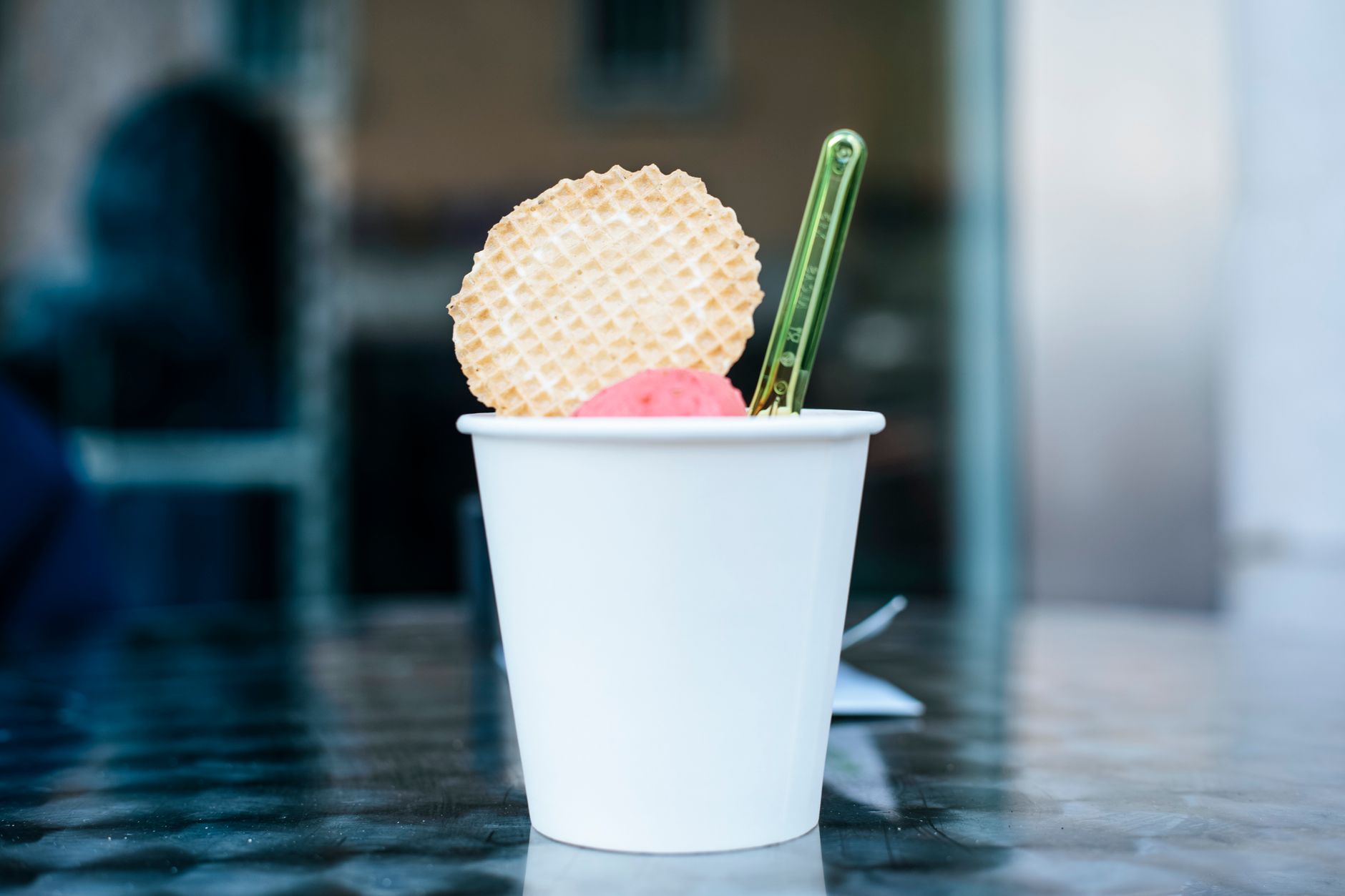
Sherbet is a delightful frozen dessert known for its fruity flavor and smooth, creamy texture, often favored as a refreshing summer treat. However, many people wonder whether sherbet contains milk or dairy products, especially those with dietary restrictions.
This detailed guide explores the ingredients typically used in sherbet, how it differs from ice cream and sorbet, and its various culinary uses. By the end, you’ll understand exactly what sherbet is made of, clarifying the role of milk in this popular dessert.
Does Sherbet Have Milk?
Sherbet does not necessarily contain milk, but traditional recipes often include a small amount of dairy. The primary components of sherbet are fruit puree, water, sugar, and sometimes dairy, which contributes to its creamy texture. However, fruit-flavored sherbet without any dairy is also widely available, making it suitable for those avoiding milk.
Ingredients of Sherbet
Understanding the ingredients of sherbet can help clarify what makes it different from similar frozen desserts. The typical ingredients in sherbet include:
- Fruit puree or juice
- Water
- Sugar
- Dairy (such as milk or cream, depending on the recipe)
- Stabilizers (like gelatin or vegetable-based gums)
Fruit Puree or Juice
The main flavoring agent in sherbet is typically fruit puree or juice, which can be made from various fruits such as strawberries, oranges, or lemons. These fruity components provide the signature taste of sherbet.
Water
Water is essential to achieve the desired consistency in sherbet. It helps to create a softer and more scoopable texture when frozen.
Sugar
Sugar not only sweetens the mixture but also affects the freezing point of the sherbet, contributing to a smoother texture instead of a hard icy structure. The sweetness level can vary based on personal preference and the natural sweetness of the fruit used.
Dairy
As stated earlier, sherbet can include dairy ingredients such as milk or cream. This is what makes it different from sorbet, which is entirely dairy-free. Dairy contributes to a richer texture and a creamier mouthfeel.
Stabilizers
Some commercial sherbet recipes include stabilizers like gelatin or gums to prevent ice crystals from forming and to improve the product’s texture. These ingredients help maintain the consistency during freezing and thawing.
Sherbet vs. Sorbet vs. Ice Cream
To better understand sherbet, it is beneficial to compare it to sorbet and ice cream, as many people confuse these terms.
Sorbet
Sorbet is a dairy-free frozen dessert that typically consists of fruit puree, sugar, and water. It is lighter than sherbet and often has a more pronounced fruit flavor due to the absence of dairy. Sorbet is an excellent option for individuals avoiding dairy products altogether.
Ice Cream
Ice cream is richer than both sherbet and sorbet, as it contains a higher fat content due to cream and eggs. The base of ice cream includes milk, cream, sugar, and often egg yolks, which contribute to its dense and creamy characteristics. By contrast, sherbet only has a small amount of dairy, if any, which results in a lighter texture.
How They Differ
Here’s a quick summary of how sherbet, sorbet, and ice cream differ:
| Type | Dairy Content | Texture | Flavor |
|---|---|---|---|
| Sherbet | Low (contains some dairy) | Creamy | Fruity |
| Sorbet | Dairy-free | Light and icy | Intense fruit flavor |
| Ice Cream | High (contains cream) | Rich and creamy | Rich and sweet |
Culinary Uses of Sherbet
Sherbet serves many purposes in the kitchen besides being a stand-alone dessert. Here are some common ways to incorporate it into your culinary repertoire:
Standalone Dessert
Sherbet can be served on its own in a bowl or cone, often as a refreshing end to a meal or a vibrant addition to a summer gathering.
Sherbet Floats
Adding a scoop of sherbet to soda or sparkling water creates a fun and fizzy sherbet float. Common pairings include lemon-lime soda or ginger ale, which complement the fruit flavors well.
In Smoothies
Use sherbet as a base for smoothies for added creaminess and a burst of flavor. Blend it with additional fruit, yogurt, or juice for a delicious treat.
As a Topping
Sherbet can also be used as a topping for other desserts like cakes, pancakes, or waffles, adding a fruity and refreshing element.
In Parfaits
Layering sherbet with yogurt, granola, and extra fruit can create an appealing parfait suitable for breakfast or dessert.
Making Sherbet at Home
If you’re interested in making sherbet at home, it’s easy and can be more economical than purchasing it from the store. Here’s a simple recipe:
Ingredients
- 2 cups fruit puree (such as strawberries, oranges, or any desired fruit)
- 1 cup water
- 3/4 cup sugar (adjust based on fruit sweetness)
- 1/2 cup milk or cream (optional, for a creamier texture)
- 1 tablespoon lemon juice (optional, enhances flavor)
Equipment Needed
- Blender or food processor
- Mixing bowl
- Ice cream maker (optional, but recommended)
- Freezer-safe container
Step-by-Step Method
- In a blender or food processor, combine the fruit with a small amount of water and blend until smooth.
- Add the remaining water, sugar, milk or cream (if using), and lemon juice (if desired) to the blender, and blend again until well mixed.
- Transfer the mixture to a bowl and chill it in the refrigerator for at least 1 hour. This helps to improve the flavor and allows it to freeze better.
- If using an ice cream maker, churn the mixture according to manufacturer instructions until it reaches a soft-serve consistency.
- Transfer the churned sherbet to a freezer-safe container and freeze for at least 4 hours, or until firm.
- When ready to serve, let the sherbet sit at room temperature for a few minutes to soften slightly before scooping.
Tips for Making Sherbet
To achieve the best results when making sherbet at home, consider the following tips:
- Choose ripe fruit for better flavor and sweetness.
- Experiment with different fruits or combinations to find your favorite flavor.
- If you’re avoiding sugar, natural sweeteners like honey or agave syrup can be used, keeping in mind they may affect the consistency.
- For a vegan version, replace dairy with plant-based milk alternatives like almond milk or coconut milk.
- Use an ice cream maker for smoother texture, though hand-mixing is possible; just stir every 30 minutes for the first few hours.
Common Mistakes to Avoid
To help ensure a successful homemade sherbet, be aware of these common pitfalls:
- Not chilling the mixture before churning can lead to a less smooth texture.
- Using overly ripe fruit may make the flavor too intense, and may require less sugar.
- Skipping the stabilizers can result in ice crystals forming if not churned properly.
Storage of Sherbet
Proper storage is crucial for maintaining the quality of homemade sherbet. Here are some guidelines:
- Store sherbet in an airtight, freezer-safe container to prevent it from absorbing odors and flavors from the freezer.
- Label the container with the date it was made so you can keep track of its freshness.
- Homemade sherbet can typically last in the freezer for about 2-3 weeks. Over time, its texture can become icy if not stored properly.
- To serve, let the sherbet sit at room temperature for 5-10 minutes before scooping.
Conclusion
Sherbet is a versatile and refreshing dessert that can include dairy or be made dairy-free, depending on your preferences. With a wide range of flavors and plenty of uses in the kitchen, it is a delicious treat worth trying. Whether you’re enjoying it on its own or incorporating it into other desserts, understanding its ingredients can enhance your culinary experience.
Explore these related topics to deepen your culinary knowledge: our orange sherbet recipe and learn how to make chia pudding with coconut milk for delicious alternatives. There’s always something new to discover in the world of food!