
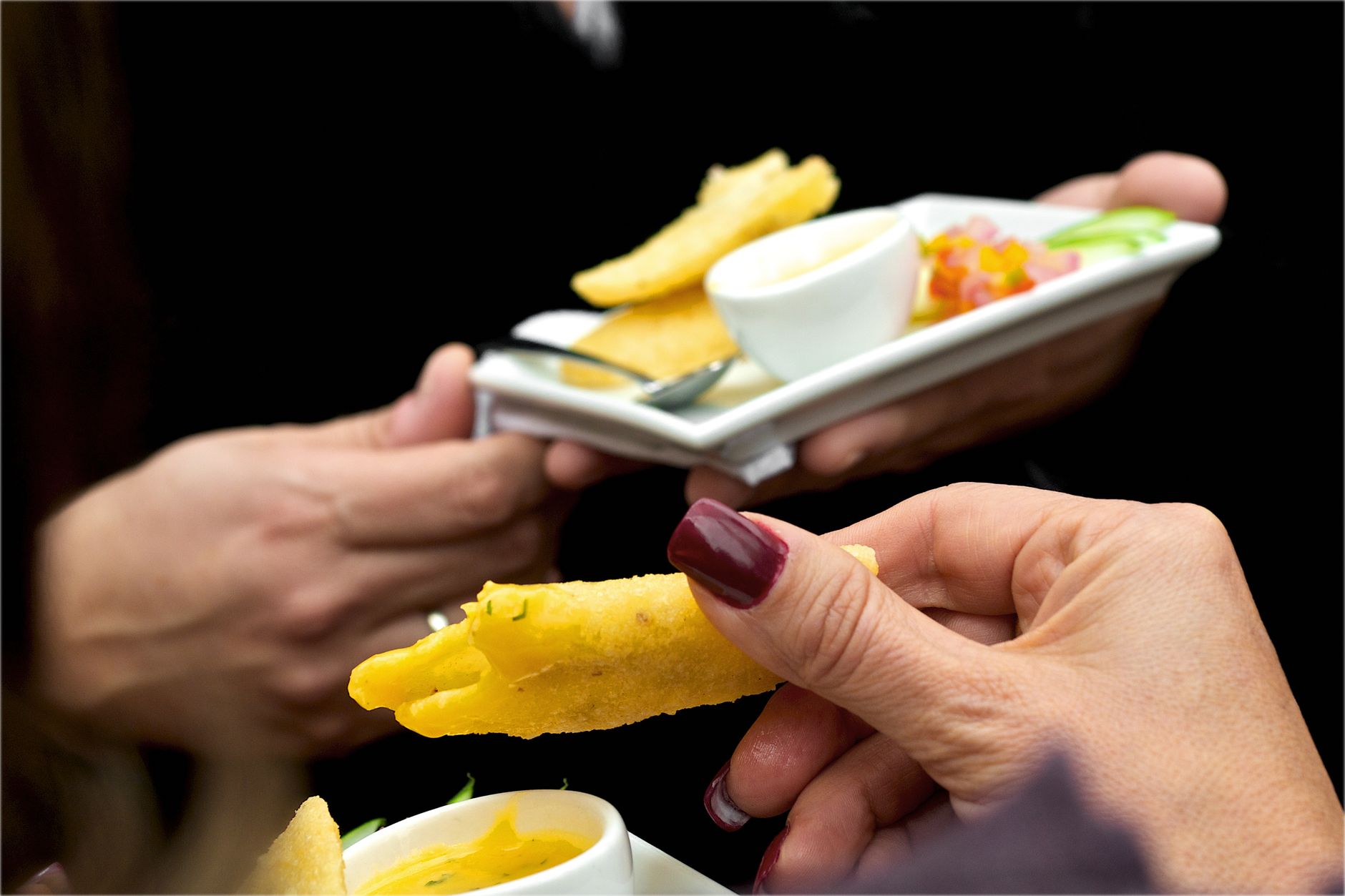
Lee-Matthews is a name tied to unique culinary explorations, often representing specific styles of cooking or food. Understanding what food Lee-Matthews encompasses means diving into various ingredient choices, preparation methods, and presentation styles that play a pivotal role in crafting delightful meals. This guide offers a robust overview of what food Lee-Matthews entails, alongside tips, techniques, and suggestions for enjoying these culinary creations.
From exploring flavor combinations to examining ingredient substitutions, this guide aims to elevate your cooking experience, whether you’re preparing a meal for family, hosting friends, or simply treating yourself to something special. You will learn about specific dishes, how to maximize flavors, and how to innovate while remaining true to the core essence of Lee-Matthews food.
What Food Lee-Matthews?
The term “food Lee-Matthews” refers to a culinary ethos that emphasizes quality ingredients, innovative techniques, and a focus on vibrant flavors. The cuisine is characterized by seasonally inspired dishes that often feature fresh, locally sourced ingredients. The preparation techniques embrace both traditional and modern methodologies, allowing freedom of expression in each recipe.
In essence, food Lee-Matthews is about embracing culinary creativity while respecting the fundamental tastes and textures. This can involve anything from savory main courses to inspired desserts, all crafted with an eye for aesthetics and flavor balance.
Key Ingredients in Lee-Matthews Cuisine
Understanding the key ingredients often used in food Lee-Matthews is essential for recreating its signature dishes. Here’s a detailed overview:
- Fresh Herbs: Herbs like basil, parsley, and rosemary are often highlighted for their aromatic qualities.
- Seasonal Vegetables: Utilizing vegetables at their peak freshness, such as tomatoes in summer or root vegetables in fall, enhances flavors.
- Quality Proteins: Local and sustainable protein sources, like chicken, fish, or plant-based alternatives, form the backbone of many dishes.
- Whole Grains: Ingredients like quinoa, brown rice, and farro provide nutritious bases for salads and side dishes.
- Spices: A variety of spices, including cumin, paprika, and cinnamon, add depth and warmth to dishes.
- High-Quality Oils: Olive oil and avocado oil are commonly used for their flavor and health benefits.
- Citrus Fruits: Lemons, limes, and oranges are often used for their acidity, enhancing the flavors of many dishes.
Preparation Techniques in Food Lee-Matthews
The preparation techniques employed in Lee-Matthews cuisine range from simple to complex, perfectly showcasing the talents of the cook. Here’s a selection of techniques commonly associated with this style:
Grilling
Grilling adds a smoky flavor to meats and vegetables and is a popular cooking method in Lee-Matthews food. Be sure to preheat your grill adequately and use marinated ingredients for enhanced flavor.
Roasting
This method caramelizes sugar in vegetables and meats, providing a deep, rich flavor. Ideal for root vegetables and proteins, roasting should be done at moderate to high temperatures, around 400°F (200°C).
Sautéing
Quickly cooking food in a small amount of oil over high heat allows for browning while preserving moisture. It’s perfect for cooking tender vegetables or proteins quickly while enhancing their natural flavors.
Blanching
A technique used frequently for preserving the vibrant color and crisp texture of vegetables. Blanching involves briefly boiling food, followed by rapid cooling in ice water.
Recipes to Try from Food Lee-Matthews
Here are two inspired recipes that encapsulate the essence of food Lee-Matthews, making good use of the key ingredients and techniques discussed earlier.
Herb-Crusted Grilled Chicken
This dish brings together fresh herbs and juicy chicken for a delightful meal. Serves four and takes about 30 minutes to prepare.
Ingredients:
- 4 boneless, skinless chicken breasts
- 1 cup fresh parsley, finely chopped
- 1/2 cup fresh basil, finely chopped
- 3 cloves garlic, minced
- 1/4 cup olive oil
- Juice of one lemon
- Salt and pepper, to taste
Equipment Needed:
- Grill or grill pan
- Mixing bowl
- Whisk
- Meat thermometer
Method:
- In a mixing bowl, combine parsley, basil, garlic, olive oil, lemon juice, salt, and pepper to create a marinade.
- Coat the chicken breasts with marinade and allow to rest for at least 15 minutes.
- Preheat your grill to medium-high heat.
- Grill the chicken for 6-7 minutes on each side until internal temperature reaches 165°F (75°C).
- Remove from the grill and let rest for a few minutes before serving.
Quinoa Salad with Seasonal Vegetables
This fresh and colorful salad is a visually appealing side dish or main meal. It serves four and takes about 25 minutes to prepare.
Ingredients:
- 1 cup quinoa
- 2 cups vegetable broth or water
- 1 cup cherry tomatoes, halved
- 1 cucumber, diced
- 1 bell pepper, diced
- 1/4 cup red onion, finely chopped
- 1/4 cup olive oil
- Juice of one lemon
- Salt and pepper, to taste
Equipment Needed:
- Pot for cooking quinoa
- Large mixing bowl
- Spoon for mixing
Method:
- Rinse quinoa under cold running water.
- In a pot, bring vegetable broth or water to a boil. Add quinoa, cover, and reduce heat to low. Simmer for about 15 minutes or until water is absorbed.
- In a large bowl, mix together cherry tomatoes, cucumber, bell pepper, and red onion.
- Once the quinoa has cooled slightly, add it to the vegetable mixture.
- Drizzle with olive oil, lemon juice, salt, and pepper. Toss gently to combine.
Substitutions and Variations
Incorporating substitutions can help adapt Lee-Matthews dishes to suit personal tastes, dietary restrictions, or ingredient availability. Below are some practical substitutions for the recipes above:
Herb-Crusted Grilled Chicken Substitutions:
- Fresh Herbs: If fresh herbs are unavailable, consider using dried herbs in a lesser amount (1/3 of fresh). Be cautious as dried herbs have concentrated flavors.
- Chicken: Firm tofu or tempeh can act as a substitute for the chicken for a plant-based option. Marinate similarly and grill until crispy.
Quinoa Salad Substitutions:
- Quinoa: This could be replaced with farro or bulgur for a different texture and flavor.
- Vegetables: Feel free to use any seasonal vegetables. Roasted veggies like zucchini or roasted sweet potatoes would add a lovely depth.
Common Mistakes and Troubleshooting
Even experienced cooks make mistakes. Here’s how to troubleshoot common issues that may arise when preparing food Lee-Matthews:
Grilling
One of the main mistakes in grilling chicken is overcooking. Ensure you use a meat thermometer to check that your chicken has reached at least 165°F (75°C) without drying it out. Letting the meat rest before cutting also helps retain moisture.
Cooking Quinoa
Another typical error is cooking quinoa improperly. If undercooked, it can be crunchy, while overcooked quinoa becomes mushy. Rinsing the quinoa before cooking and letting it steam for a few minutes after absorbing the water helps achieve that perfect texture.
Serving Suggestions
Serving Lee-Matthews dishes with care adds to the overall experience. Here are some presentation tips:
- Garnish plates with fresh herbs like cilantro or parsley to enhance visual appeal and freshness.
- Use colorful dishes to contrast with the food, making it more appetizing.
- Accompany meals with well-paired beverages, such as bright white wines with chicken or herbal iced teas with salads.
Meal Planning with Lee-Matthews Cuisine
Planning meals that incorporate the freshness and vibrancy of Lee-Matthews cuisine can build variety throughout the week. Here’s a practical meal plan idea:
Weekly Meal Plan
- Monday: Herb-Crusted Grilled Chicken with Roasted Asparagus
- Tuesday: Quinoa Salad with Seasonal Vegetables
- Wednesday: Grilled Shrimp Tacos with Mango Salsa
- Thursday: Stuffed Bell Peppers with Ground Turkey and Vegetables
- Friday: Homemade Pizza Night with assorted toppings
- Saturday and Sunday: Batch-cook some soups or stews and enjoy on these days for easy meals.
Utilizing overlapping ingredients throughout the plan, such as grilled chicken and quinoa, helps minimize waste and save time during food preparation.
Storage and Reheating Guidance
Proper storage and reheating of the prepared dishes ensure they remain fresh and safe to eat. Here are some general tips:
For grilled chicken, store in an airtight container in the refrigerator for up to 4 days. When reheating, do so thoroughly until reaching an internal temperature of 165°F (75°C). Quinoa salad, on the other hand, can be enjoyed cold or at room temperature, making it perfect for meal prepping.
For freezing, grilled chicken can also be frozen for up to 3 months. Just ensure it is completely cooled before placing in a freezer-safe container. Quinoa salad may not freeze well due to the texture of the vegetables; it’s best made fresh.
Lee-Matthews food provides a fresh perspective on cooking, encouraging creativity and showcasing the beauty of simple, quality ingredients. By understanding its core components, techniques, and variations, you can bring a taste of this culinary ethos into your own kitchen.
Consider attempting the recipes shared here or crafting your own versions using the principles of Lee-Matthews cuisine, and enjoy exploring the limitless possibilities it offers.
If you’re interested in more cooking insights, you might explore what is a good substitute for rosemary or find out what is a substitute for vanilla extract.