
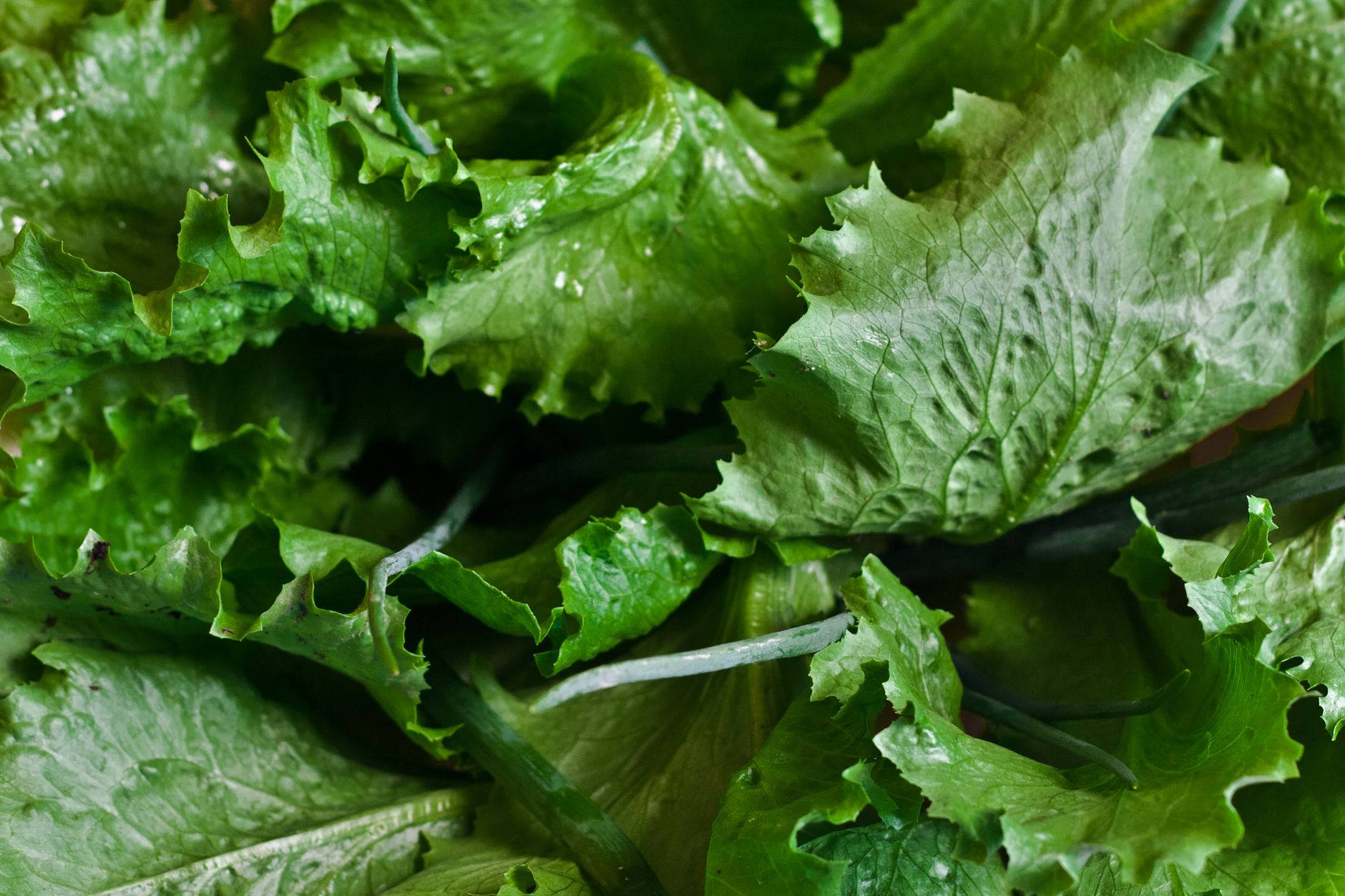
Lettuce is a staple in salads, sandwiches, and various culinary dishes, but many people wonder about its classification. Is lettuce a vegetable, or can it be categorized as a fruit? This article explores the botanical classification of lettuce and its culinary uses.
This guide will provide insights into lettuce’s structure, kitchen applications, and the differences between culinary and botanical definitions. Understanding where lettuce fits in the food taxonomy can enhance your cooking and meal planning, making it an ingredient worthy of deeper consideration.
Is Lettuce a Botanical Fruit?
Botanically speaking, lettuce is classified as a leaf vegetable rather than a fruit. Specifically, it belongs to the asteraceous family, which includes various other edible plants. Lettuce forms leafy heads, and, unlike true fruits, it does not develop from the ovary of a flower. However, confusion arises because the culinary world often refers to numerous plant parts in terms of fruits and vegetables, shaping how we perceive lettuce in our diets.
The Botanical Classification of Lettuce
To understand lettuce’s classification, we must first delve into some botanical basics. In botanical terms, a fruit develops from the flowering part of a plant and contains seeds. In contrast, vegetables can comprise any other edible part of the plant, including roots, stems, and leaves. Lettuce, known scientifically as Lactuca sativa, primarily consists of leaf structures, which are characteristic of vegetables in botanical terms.
The Structure of Lettuce
Lettuce has a complex structure that is integral to its classification:
- Leaves: The most prominent part, usually forming a dense head, the leaves are the primary edible component.
- Roots: These grow underground and anchor the plant, absorbing nutrients and water.
- Stems: Generally tender and not often eaten, stems support the plant and can be used in some culinary applications.
Types of Lettuce
Understanding the various types of lettuce can also clarify how this plant is used in the kitchen:
- Iceberg: Known for its crisp texture, it’s often used in salads and sandwiches.
- Romaine: Frequently used in Caesar salads, it has a slightly bitter flavor and a crunchy texture.
- Leaf Lettuce: Varieties like red leaf or green leaf provide a softer texture, adding color and mild flavor to dishes.
- Bibb and Butterhead: These have a softness and delicate quality, often enjoyed in wraps and salads.
Culinary Uses of Lettuce
While lettuce may not be a fruit botanically, it plays a versatile role in the kitchen. Here are some popular culinary uses and preparations:
Salads
Perhaps the most common culinary use, salads can include various lettuce types combined with other vegetables, fruits, nuts, and proteins. The crunchiness of lettuce can significantly enhance the texture profile of a salad.
Wraps and Sandwiches
Lettuce leaves serve as great low-carb wraps for proteins and other fillings, providing a refreshing crunch. Romaine or leaf lettuce works exceptionally well in these applications.
Soups and Stews
Though not traditional, some soups or stews include shredded lettuce for added texture and flavor. Wilted lettuce can be particularly suitable for warm dishes.
Garnishing and Presentation
Whole leaves of lettuce can be used to decorate plates, offering a fresh and vibrant look to various meals. They can also be served alongside meats and entrées as a side component.
Nutrition and Health Considerations
Regardless of its classification, lettuce is a nutritious food choice, low in calories but packed with essential vitamins and minerals:
- Vitamins: Lettuce is a good source of vitamin A, which helps support vision and immune function, along with vitamins C and K.
- Minerals: It contains calcium, potassium, and magnesium, essential for body function.
- Fiber: Lettuce also provides dietary fiber, important for digestion.
Best Practices for Selecting Lettuce
When shopping for lettuce, it’s best to follow these guidelines:
- Choose lettuce that is vibrant and crisp, avoiding any leaves that are wilted or discolored.
- Check for any signs of brown spots or decay at the base, which can indicate age.
- Opt for organic varieties if possible to minimize pesticide exposure.
Storage Tips
Proper storage can significantly extend the shelf life of lettuce:
- Store unwashed lettuce in the refrigerator to maintain crispness.
- Wrap leaves in a damp paper towel and place them inside a zip-top bag to keep moisture in.
- Avoid keeping it near fruits like apples and bananas, which emit ethylene gas and accelerate spoilage.
Common Mistakes When Using Lettuce
When incorporating lettuce into meals, be mindful of these common errors:
- Washing Too Early: Washing heads of lettuce before they’re ready to be used can lead to premature spoilage.
- Over-Dressing Salads: Too much dressing can weigh down lettuce and mask its fresh flavors; sprinkle sparingly.
- Forgetting Texture Varieties: Mixing different textures brings a delightful spectrum; diversifying lettuce types can enhance mouthfeel.
Ingredient Substitutions for Lettuce
While lettuce is quite unique in its characteristics, there are instances when you may need substitutions:
- Spinach: A softer and more nutrient-dense option, suitable for salads or wraps.
- Swiss Chard: Offers similar textures but has a more robust flavor; great in cooked applications.
- Kale: Provides a crunchier texture but can be slightly tougher than lettuce; massage kale leaves to soften.
Culinary Techniques Using Lettuce
There are several techniques for preparing lettuce that can enhance its flavor and usability:
Shredding
Shredded lettuce can serve as a delightful topping for tacos and burritos or as a filler for sandwiches, providing crunch in every bite.
Wilting
Wilting lettuce gently in a pan can awaken different flavors. When lightly sautéed, it can complement warm dishes like pasta or grain bowls.
Chilling
Chilling washed lettuce leaves can enhance both taste and crunchiness, making them an appealing addition to summer salads or picnic meals.
Popular Recipes Featuring Lettuce
Incorporating lettuce into various dishes awaits your exploration. Here are some popular ways to enjoy lettuce:
Classic Caesar Salad
- Ingredients: Romaine lettuce, croutons, Caesar dressing, Parmesan cheese, lemon juice.
- Begin by tearing Romaine leaves into bite-sized pieces.
- In a large bowl, combine the torn leaves with croutons.
- Drizzle with Caesar dressing and toss to coat evenly.
- Sprinkle with grated Parmesan and a squeeze of lemon juice before serving.
Thai Lettuce Wraps
- Ingredients: Iceberg lettuce, ground turkey or chicken, carrots, bell peppers, soy sauce, sesame oil, and lime.
- In a pan, heat sesame oil and sauté the ground meat until cooked through.
- Add chopped carrots and bell peppers, cooking until tender.
- Pour in soy sauce and lime juice for flavor, removing from heat.
- Use the large lettuce leaves as wraps to hold the filling.
Conclusion
Understanding whether lettuce is a botanical fruit or vegetable clarifies its place within the kitchen and food preparation. While it may not fit the botanical definition of a fruit, lettuce is a versatile ingredient with many culinary applications. Adopting a wide array of cooking and serving techniques enhances its role in your diet.
Next time you prepare a fresh salad or sandwich, consider the various ways to use lettuce effectively. For an interesting dish, try out a wilted lettuce recipe to see how cooking can transform this leafy green.
Explore related recipes and cooking tips, including our guide on wilted lettuce to expand your knowledge about utilizing this nutritious ingredient.