
Understanding the ingredients in your recipes is crucial to achieving the best results in the kitchen. One ingredient that often causes confusion is oleo. Many home cooks wonder about its role in recipes, how it compares to other fats, and how to use it effectively.
This article breaks down the concept of oleo, its uses, and offers practical tips for incorporating it into your cooking and baking endeavors.
What Is Oleo in a Recipe?
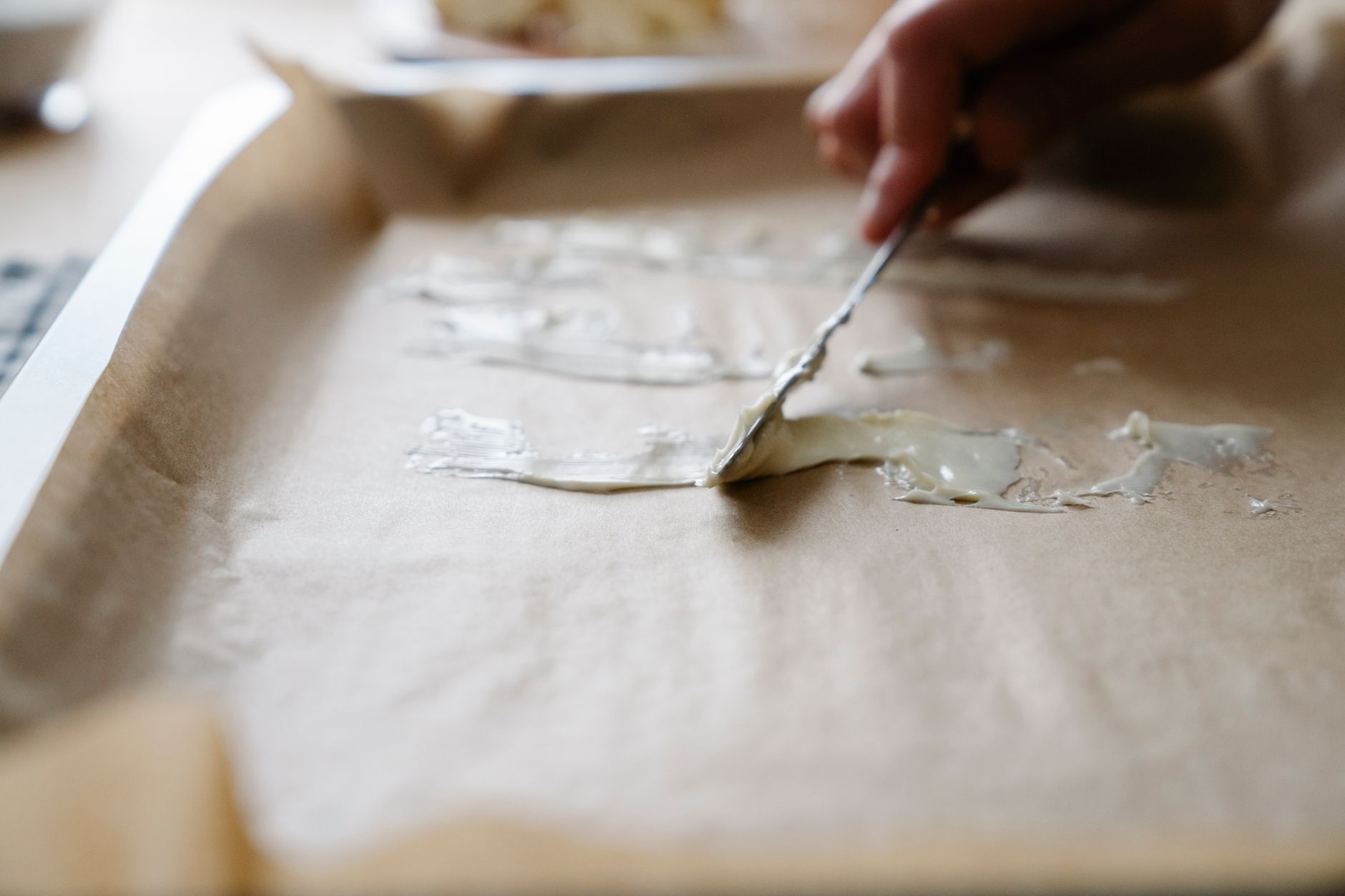
Oleo, commonly referred to as margarine, is a butter substitute made primarily from vegetable oils. It is often used in recipes to add fat and moisture while being a more affordable option compared to butter. Oleo is particularly popular in baking, where it contributes to the texture and flavor of various dishes.
The Composition of Oleo
The key components of oleo include:
- Vegetable oils: Commonly made from soy, palm, or canola oils.
- Emulsifiers: These ingredients help blend oil and water, creating a stable texture.
- Preservatives and flavorings: These enhance shelf life and replicate the taste of butter.
With varying formulations available, the specific composition of oleo can impact its performance in recipes.
How Oleo Differs from Butter
While both oleo and butter serve similar purposes in recipes, there are important distinctions:
- Fat content: Butter contains about 80% fat, while the fat content in oleo can vary but typically ranges from 60% to 80% depending on the brand.
- Flavor: Butter has a rich, creamy flavor, whereas oleo can have a milder taste. Many brands do add flavorings to mimic butter more closely.
- Culinary uses: Oleo can be a suitable substitute in many recipes, but it may slightly alter the final flavor and texture of baked goods.
Common Uses of Oleo in Cooking and Baking
Oleo is versatile and can be used in a variety of recipes:
- Baking: From cookies to cakes, oleo provides moisture and tenderness.
- Sautéing and frying: Oleo can be used at moderate temperatures for frying due to its emulsifying properties.
- Spreading: Oleo is commonly used as a spread on bread or as a base for toppings.
Understanding where and how to use oleo can help enhance your recipes without compromising on quality.
Simple Recipes Featuring Oleo
Here are a couple of simple recipes that showcase the effectiveness of oleo in both baking and cooking.
Oleo Chocolate Chip Cookies
This classic cookie recipe uses oleo to create chewy, flavorful cookies that everyone will enjoy. The oleo enhances the texture while maintaining a delightful buttery taste.
Yield: About 24 cookies
Preparation Time: 15 minutes
Cooking Time: 10-12 minutes
Total Time: 25-27 minutes
Ingredients
- 1 cup oleo, softened
- 3/4 cup brown sugar, packed
- 3/4 cup granulated sugar
- 1 large egg
- 1 teaspoon vanilla extract
- 2 1/4 cups all-purpose flour
- 1 teaspoon baking soda
- 1/2 teaspoon salt
- 2 cups chocolate chips
Essential Equipment
- Mixing bowls
- Baking sheets
- Silicone spatula or wooden spoon
- Oven
Instructions
- Preheat your oven to 375°F (190°C).
- In a large mixing bowl, combine the softened oleo, brown sugar, and granulated sugar. Beat until creamy.
- Add the egg and vanilla extract, mixing well.
- In a separate bowl, whisk together the all-purpose flour, baking soda, and salt.
- Gradually incorporate the dry ingredients into the wet ingredients until just combined.
- Fold in the chocolate chips with a spatula until evenly distributed.
- Drop tablespoonfuls of dough onto ungreased baking sheets, spacing them about 2 inches apart.
- Bake for 10-12 minutes or until the edges are golden brown. Remove from the oven and allow to cool on the baking sheet for 5 minutes before transferring to wire racks.
Oleo Mashed Potatoes
This creamy mashed potato recipe utilizes oleo for its rich texture and flavor, creating a comforting side dish for any meal.
Yield: 4 servings
Preparation Time: 10 minutes
Cooking Time: 20 minutes
Total Time: 30 minutes
Ingredients
- 2 pounds potatoes, peeled and cubed
- 1/2 cup oleo
- 1/2 cup milk
- Salt and pepper to taste
Essential Equipment
- Large pot
- Colander
- Potato masher or electric mixer
Instructions
- Place the cubed potatoes in a large pot and cover with cold water. Bring to a boil over high heat.
- Once boiling, reduce heat to medium and simmer until tender, about 15-20 minutes.
- Drain the potatoes and return them to the pot.
- Add the oleo and milk to the hot potatoes and mash until smooth.
- Season with salt and pepper to taste. Serve warm.
Practical Tips for Using Oleo in Recipes
When cooking or baking with oleo, keep the following tips in mind:
- Temperature: Ensure oleo is at room temperature for easy mixing in baked goods.
- Flavor adjustments: If using oleo in recipes traditionally calling for butter, adjusting flavors (like adding a touch of salt) may be necessary.
- Storage: Keep oleo covered and refrigerated to maintain its consistency and prevent it from absorbing other odors.
Substituting Oleo in Your Recipes
If you find yourself out of oleo or prefer not to use it, there are several suitable substitutions:
Margarine
The most straightforward substitute is margarine, which can be used in a 1:1 ratio. However, ensure it is of good quality for optimal flavor.
Butter
Using butter is another alternative. Substitute oleo with an equal amount of butter, but be aware that the flavor and moisture content will shift, resulting in richer tasting dishes.
Shortening
Shortening can also replace oleo, especially in baking where a flaky texture is desired. Use it in a 1:1 ratio, but note that it may lack a buttery flavor. This substitution can be beneficial in creating pie crusts or certain cakes.
Common Mistakes When Using Oleo
Cooks may sometimes overlook a few aspects, leading to suboptimal results with oleo:
- Not softening: Using oleo directly from the fridge can lead to an uneven mixture in baked goods.
- Ignoring quantity: While oleo can sometimes be used interchangeably with other fats, the quantity may need adjusting to achieve similar results.
- Skipping flavor enhancements: Depending on the recipe, consider adding a pinch of salt or other flavorings to enhance the taste of oleo.
Storage and Shelf Life of Oleo
Proper storage of oleo is essential for maintaining its freshness and flavor:
- Unopened packages: These can typically last several months in the pantry.
- Opened packages: Store in the refrigerator to extend shelf life, ideally consuming within 3 months after opening.
- Freezing: You can freeze oleo; just ensure it’s tightly wrapped to prevent freezer burn. It can last for up to six months in the freezer.
Conclusion
Oleo is a versatile ingredient in cooking and baking, offering a suitable alternative for butter while aiding in texture and flavor development. With the knowledge of how to use it effectively, its potential to enhance your recipes is significant.
For those looking to expand their culinary skills, consider exploring related topics such as the role of shortening in baking or what to use in place of vanilla extract.