
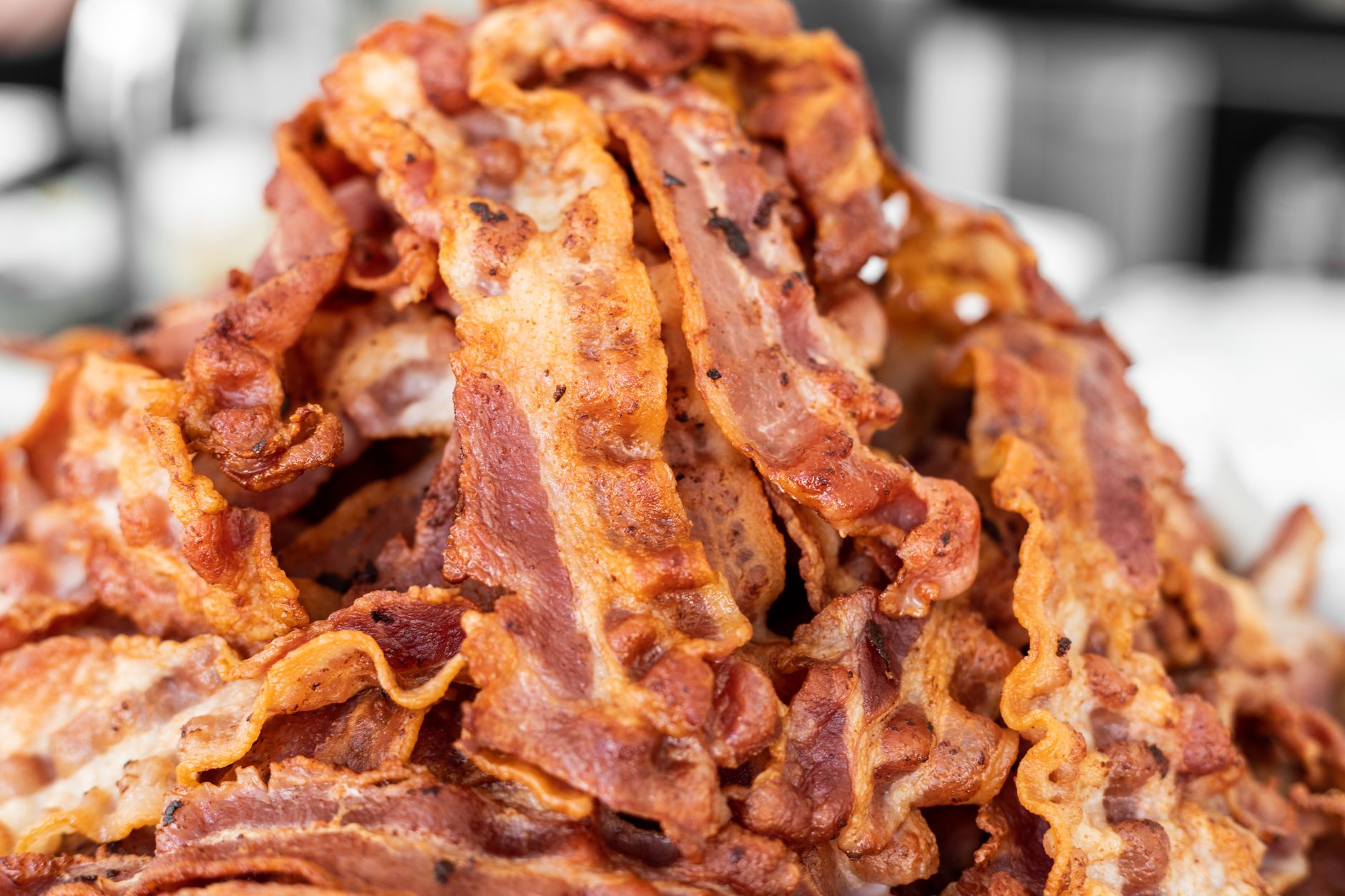
Bacon is a beloved breakfast staple for many, often celebrated for its rich flavor and crispy texture. However, one question that frequently arises is whether bacon is a good source of protein. This article will explore the protein content of bacon, its nutritional profile, and how to incorporate it into a balanced diet, while also considering serving sizes and preparation methods.
By the end, you’ll have a comprehensive understanding of bacon’s role in your diet and how to enjoy it without compromising your health goals. Let’s delve into the protein content of bacon and what it means for your meals.
Is There Protein in Bacon?
Yes, bacon does contain protein. A typical serving of cooked bacon (about 3 slices or 34 grams) provides around 9 grams of protein. This amount can vary slightly depending on the cut of bacon and cooking method. In addition to protein, bacon also includes fats, vitamins, and minerals, which can influence its role in a balanced diet.
Understanding Bacon: Types and Cuts
Bacon comes from various parts of the pig, with the most common types being:
- Streaky Bacon: Cut from the pig’s belly, this type is known for its high-fat content and is the most commonly used in breakfast dishes.
- Back Bacon: Cut from the loin, back bacon has a leaner profile and is often thicker than streaky bacon.
- Pancetta: An Italian variety, pancetta is made from pork belly and is usually cured and spiced.
- Canadian Bacon: This type is leaner than traditional bacon, made from the pork loin, and is often found on pizza or served in sandwiches.
Each type of bacon has a slightly different nutritional profile, which can impact its protein content. Streaky bacon tends to have higher fat and lower protein percentages, while back bacon offers a more balanced ratio.
Nutritional Profile of Bacon
Along with protein, bacon provides several nutrients. Here’s a closer look at the typical nutritional content for three slices (34 grams) of cooked bacon:
- Calories: 161
- Total Fat: 12 grams
- Saturated Fat: 4 grams
- Cholesterol: 30 milligrams
- Sodium: 582 milligrams
- Total Carbohydrates: 0 grams
- Protein: 9 grams
While bacon is an excellent source of protein, the high fat and sodium content are essential considerations for those monitoring their intake. Balancing bacon with other nutritious foods can help maintain a well-rounded diet.
How to Incorporate Bacon into Your Diet
While bacon can be enjoyed on its own, there are numerous ways to incorporate it into your meals, enhancing flavors and adding protein. Here are some practical ideas:
- Breakfast Dishes: Add bacon to scrambled eggs, breakfast burritos, or as part of a traditional English breakfast.
- Salads: Crumble cooked bacon over salads for added crunch and flavor.
- Burgers: Incorporate bacon into your favorite burger recipes for extra taste and richness.
- Sandwiches and Wraps: Layer bacon in sandwiches or wraps with fresh vegetables and sauces.
- Pasta Dishes: Use bacon in creamy pasta recipes or as a topping for carbonara.
Moderation is key; consider how much bacon fits into your overall dietary pattern and balance it with other protein sources like poultry, fish, legumes, and dairy.
Cooking Methods for Bacon
How you cook bacon can influence both its flavor and nutritional profile. Here are several common methods, along with tips to achieve the best results:
Pan-Frying
- Place a skillet on medium heat.
- Arrange the bacon slices without overlapping.
- Cook for 4–6 minutes on one side until crispy, then flip and cook for another 3–5 minutes.
Pan-frying is a traditional method that offers crispy results but may require draining excess fat.
Baking
- Preheat your oven to 400°F (200°C).
- Line a baking sheet with foil or parchment paper for easy cleanup.
- Arrange bacon strips on the sheet, leaving space between each strip.
- Bake for 15–20 minutes or until crispy to your preference.
Baking allows for even cooking and requires less attention than frying, making it a convenient option.
Microwaving
- Place bacon strips between layers of paper towels on a microwave-safe plate.
- Microwave on high for 4–6 minutes, checking for doneness.
This quick method is excellent for preparing bacon in smaller quantities without much clean-up.
Tips for Storing and Reheating Bacon
Proper storage and reheating help maintain bacon’s flavor and texture. Here are some guidelines:
Storage
- Raw Bacon: Keep it in the refrigerator, ideally in its original packaging, and use within a week. It can be frozen for longer storage (up to 6 months).
- Cooked Bacon: Store cooked bacon in an airtight container in the refrigerator for up to 4–5 days. For longer storage, freeze it, wrapping it in parchment paper and placing it in a freezer bag.
Reheating
- For cooked bacon, the oven method is preferred: reheating at 350°F (175°C) for about 10 minutes.
- You can also microwave it, covered with a paper towel, for about 20 seconds to heat through.
Remember to avoid leaving cooked bacon at room temperature for more than two hours to prevent spoilage.
Common Concerns About Bacon Consumption
While bacon can be part of a balanced diet, there are common concerns worth considering:
Sodium Content
Bacon can be high in sodium, which can contribute to hypertension if consumed in excess. Looking for low-sodium versions or consuming in moderation can help mitigate this concern.
Fat Content
Bacon is high in saturated fat, which has been debated regarding heart health. Pairing bacon with other nutritious foods and accounting for total dietary fat can help balance your intake.
Processed Meat and Health Risks
As a processed meat, bacon has been linked in some studies to certain health risks. Occasional consumption is unlikely to lead to health issues; however, it’s wise to be mindful of your overall dietary patterns and not rely solely on processed meats for protein.
Practical Substitutes for Bacon
If you’re looking for alternatives to bacon, whether for dietary reasons or personal preference, there are various substitutes you can consider:
- Turkey Bacon: A lower-fat alternative to traditional bacon with less sodium; however, it may lack some of the flavors.
- Pancetta: Another pork option with similar flavors but generally less fat. It can be used in various dishes.
- Vegetarian Bacon: Made from soy or tempeh, these alternatives offer a bacon-like texture with less fat, though the flavor varies widely.
- Mushroom Bacon: Sliced mushrooms seasoned and cooked until crispy can mimic the texture of bacon, providing a unique flavor.
Meal Planning with Bacon
Integrating bacon into meal planning can help add flavor and protein to your diet. Here’s how to successfully plan meals around bacon:
- Balanced Breakfast: Pair bacon with eggs, whole grains, and vegetables for a nutrient-dense start to the day.
- Creative Lunches: Use bacon in salads, wraps, or grain bowls loaded with fresh ingredients.
- Delicious Dinners: Incorporate bacon into pasta dishes or casseroles to enhance flavors.
By strategically including bacon in your meals, you can enjoy its rich taste while ensuring a well-rounded intake of nutrients.
Conclusion
Bacon is indeed a source of protein, but it’s important to consider its nutritional profile as part of a balanced diet. While it can be enjoyed in various dishes and cooking methods, moderation is essential to maintain overall health. By understanding bacon’s role within your dietary preferences and planning meals thoughtfully, you can savor this delight without compromising your health goals.
For more delicious ideas incorporating bacon, check out our candied bacon recipe or explore protein-packed options like our protein brownies recipe.