
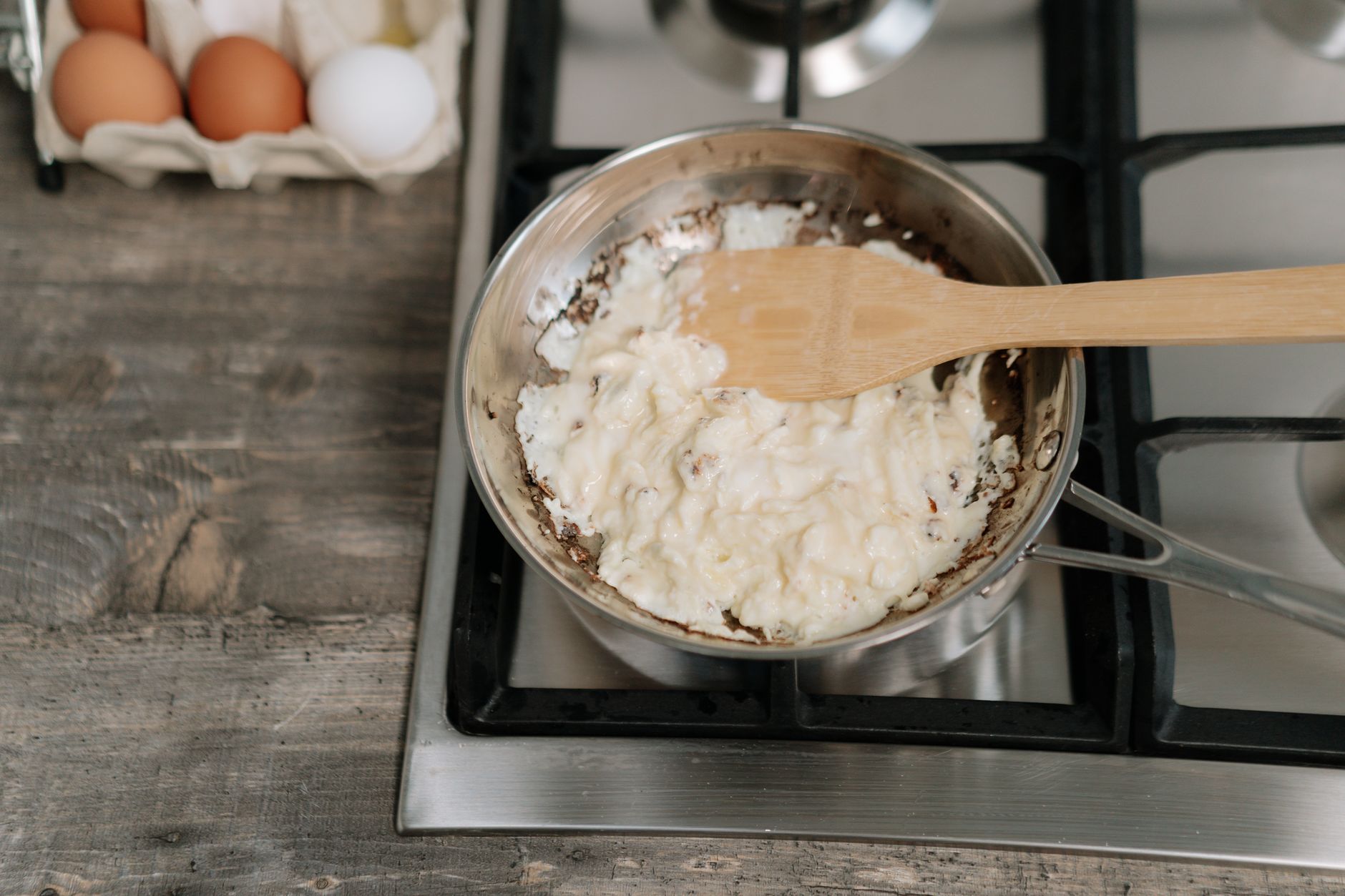
Eggs are a versatile and nutritious ingredient found in various dishes from breakfast to dessert. Microwaving eggs can be a quick and convenient way to prepare them, but it also has its nuances that can affect the final outcome. This article will explore whether you can microwave eggs, the preparation and cooking techniques, along with serving tips to ensure a delightful egg experience.
Whether you’re whipping up a quick breakfast or looking to include eggs in a lunchtime meal, knowing how to microwave them can save both time and effort. We will cover the best methods for cooking eggs in a microwave, common pitfalls to avoid, and delicious ways to serve them.
Can I Microwave Eggs?
Yes, you can microwave eggs. Microwaving is a quick and efficient method to cook eggs, whether you’re scrambling, poaching, or making an egg sandwich. However, there are specific techniques and tips to follow to achieve the best results without ending up with a rubbery or overcooked mess.
Understanding Egg Cooking Techniques
Before diving into microwaving eggs, it’s helpful to understand the various cooking techniques that can be used. Eggs can be cooked in a variety of ways, including:
- Scrambled
- Poached
- Hard-boiled
- Fried
- Omelets
Each of these techniques can be adapted for the microwave with a few adjustments. Understanding these variations will help you choose which method fits your needs best.
Scrambled Eggs
Scrambled eggs are perhaps the easiest and most popular egg dish to prepare in the microwave. They result in fluffy, tender eggs that can be seasoned to your liking.
Ingredients
- 2 large eggs
- 2 tablespoons milk or cream (optional)
- Salt and pepper to taste
- Butter or cooking spray for greasing the bowl (optional)
Equipment
- Microwave-safe bowl
- Fork or whisk
- Microwave
Method
- Start by cracking the eggs into a microwave-safe bowl. Add milk or cream if desired.
- Season the mixture with salt and pepper.
- Whisk the eggs thoroughly with a fork or whisk to combine the yolks and whites.
- Cover the bowl with a microwave-safe lid or microwave-safe plate to prevent splatter.
- Microwave on high for 30 seconds, then stir. Repeat this process until the eggs are mostly set, which typically takes around 1 to 1.5 minutes total, stirring at 30-second intervals.
- Let the eggs sit for a minute, as they will continue to cook from residual heat.
- Serve hot, optionally garnished with herbs or cheese.
Common mistakes when scrambling eggs in the microwave include not whisking the eggs thoroughly or microwaving for too long. Always start with shorter cooking intervals and stir often to achieve the best texture.
Poached Eggs
Poaching eggs in the microwave can be an effective way to make them without requiring a pot of boiling water. This method yields tender eggs with a runny yolk, ideal for topping on toast or salads.
Ingredients
- 1 large egg
- 1/2 cup water
- Salt to taste (optional)
Method
- Fill a microwave-safe bowl with water, enough to completely submerge the egg.
- Crack the egg gently into the bowl.
- Cover the bowl with a microwave-safe lid or plate to trap steam.
- Microwave on high for about 50-60 seconds. The egg should be set but the yolk still soft. If needed, microwave in 10-second intervals until the desired doneness is reached.
- Carefully remove the bowl (it may be hot) and use a slotted spoon to retrieve the egg.
- Season with salt and serve immediately.
For best results, make sure to monitor the cooking time closely as microwaves can vary in power. The yolk should be soft to your liking; if you prefer a firmer yolk, extend the cooking time slightly.
Hard-Boiled Eggs
Cooking hard-boiled eggs in a microwave is a bit more complex because they can explode if not done correctly. However, it’s possible with careful techniques.
Ingredients
- 2 large eggs
- 1 cup of water
Method
- Place the eggs in a microwave-safe bowl and submerge them in water.
- Cover the bowl with a microwave-safe lid or plate.
- Microwave on high for 7 minutes for hard-boiled eggs.
- After the time is up, carefully transfer the eggs to an ice water bath to stop the cooking process.
- Let rest for a few minutes, then peel and serve.
It’s essential to use a bowl and add water as it prevents the eggs from exploding due to built-up steam. Always cool the eggs afterwards to make peeling easier.
Omelettes
Microwave omelettes can be a quick meal packed with protein, veggies, and flavor. This method allows you to customize ingredients as you like.
Ingredients
- 2 large eggs
- 2 tablespoons milk
- Salt and pepper to taste
- 1/4 cup of cheese (cheddar, feta, or your preference)
- Chopped vegetables (bell peppers, spinach, onions, etc.) as desired
Method
- In a microwave-safe bowl, whisk together eggs, milk, salt, and pepper.
- Add your choice of cheese and vegetables, mixing well.
- Cover the bowl with a microwave-safe lid or plate to prevent splatter.
- Microwave on high for 1-2 minutes, checking at the one-minute mark.
- Let sit for 1 minute before serving to allow for carryover cooking.
Variations can include adding cooked meats like ham or bacon, which can enhance the flavor and make it more filling. Ensure that all ingredients are microwavable, as some may alter the texture if overheated.
Tips for Using the Microwave with Eggs
When cooking eggs in the microwave, keep the following tips in mind to ensure a successful outcome:
- Always use microwave-safe dishes to avoid melting or leaching harmful chemicals.
- Start with shorter cooking times and increase gradually to prevent overcooking.
- If you’re adding ingredients like cheese or vegetables, consider the additional cooking time needed for those items as well.
- Let the eggs rest for a minute after microwaving to finish cooking and enhance the texture.
- Use a cover or lid to minimize mess and help distribute heat evenly.
Serving Suggestions
Microwaved eggs can be served in various ways, making them suitable for any meal:
- Serve scrambled eggs on toast with avocado and tomatoes for a vibrant breakfast.
- Top poached eggs on a bed of sautéed spinach with a drizzle of hollandaise sauce for an elegant brunch option.
- Include hard-boiled eggs in salads or grain bowls for an added protein boost.
- Pair your omelette with a side of fresh fruit or a mixed green salad for a light lunch.
- Create breakfast burritos with scrambled eggs, sausage, cheese, and salsa wrapped in a tortilla.
Common Mistakes to Avoid
While microwaving eggs is straightforward, some mistakes can lead to less than desirable results:
- Not covering the dish properly, resulting in a messy microwave.
- Overcooking the eggs will make them tough and rubbery.
- Ignoring microwave wattage differences; the cooking time may vary significantly.
- Forgetting to check for doneness; the residual heat can continue cooking the eggs after removing them from the microwave.
Storage and Reheating
Proper storage and reheating are crucial to maintaining flavor and safety:
- Store leftover cooked eggs in an airtight container in the refrigerator for up to 3 days.
- To reheat, place in the microwave for 30-60 seconds, stirring once or twice to promote even heating.
Keep in mind that the texture may change slightly upon reheating. Avoid freezing previously cooked eggs, as they can become watery and less appealing once thawed.
Conclusion
Microwaving eggs is an efficient way to enjoy a nutritious and versatile ingredient while saving time in the kitchen. From scrambled eggs to omelettes, this cooking method allows for a variety of options tailored to your taste. Just remember to monitor cooking times and use the right techniques for best results.
If you’re looking for additional insights into calorie counts for scrambled eggs or other cooking techniques, explore our guides on calories in scrambled eggs and how long it takes to bake a sweet potato. Your next egg dish awaits!