
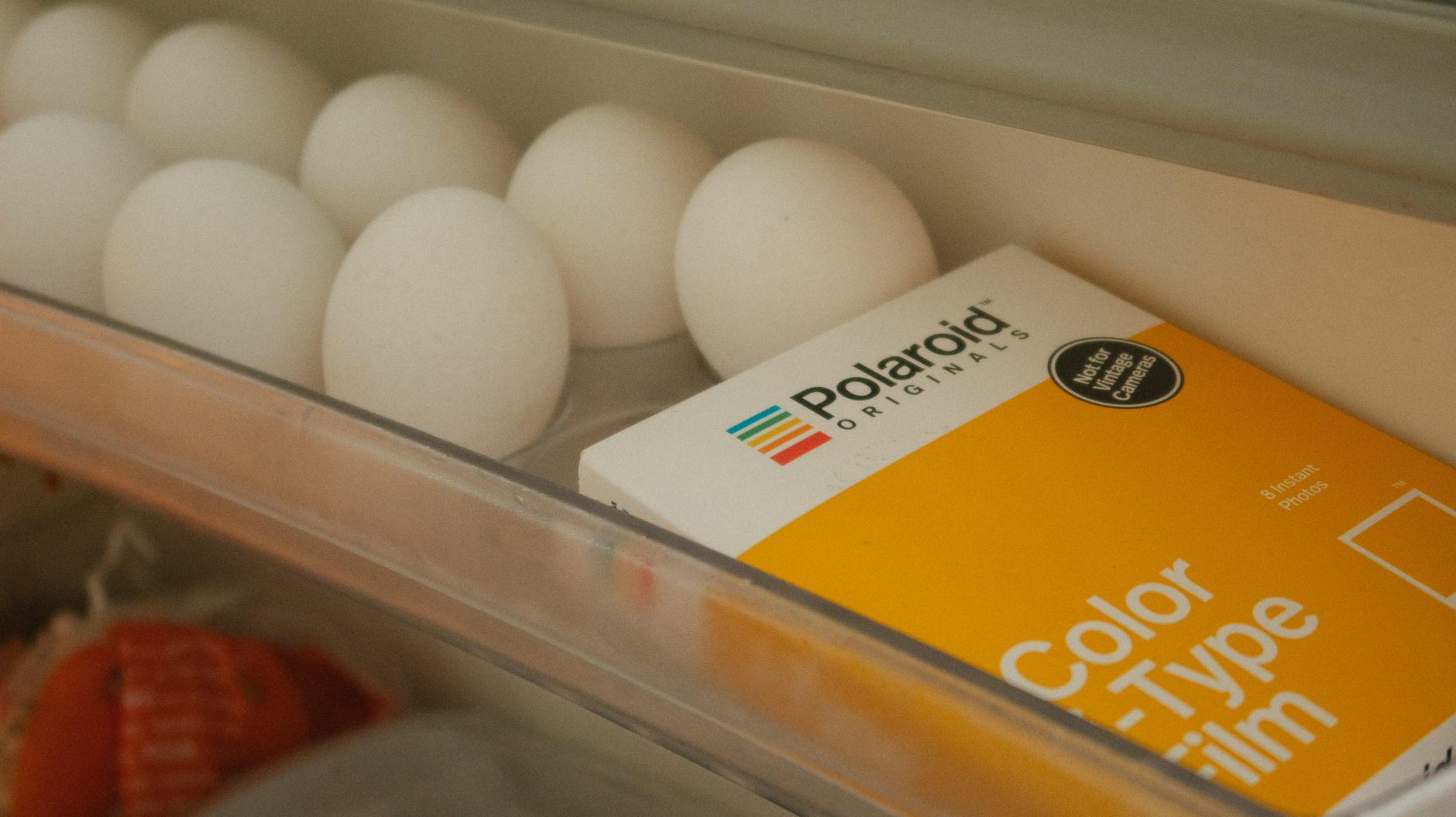
Raw eggs are versatile ingredients commonly used in various dishes, from breakfast classics to sophisticated desserts. However, understanding how long they can last in the fridge is crucial for ensuring food safety and maintaining quality. In this guide, we’ll explore storage tips, shelf life, and other essential information related to raw eggs.
When you purchase raw eggs, whether for cooking or baking, you want to ensure they stay fresh as long as possible. Knowing the lifespan of raw eggs in the fridge can help prevent food waste and keep your meals both tasty and safe.
How Long Can Raw Eggs Last in the Fridge?
Raw eggs can typically last in the fridge for about 3 to 5 weeks beyond the purchase date, depending on several factors, such as storage conditions and egg quality at the time of purchase. When stored properly in their original carton, they can maintain their freshness for a considerable amount of time.
Factors Affecting Egg Freshness
Several factors contribute to how long raw eggs can remain fresh in the fridge. Here are the primary considerations:
- Storage Temperature: Eggs should be stored consistently at or below 40°F (4°C) to prolong their freshness. Fluctuations in temperature can affect quality and shelf life.
- Packaging: Keeping eggs in their original carton helps protect them from absorbing strong odors and flavors from other foods while reducing moisture loss.
- Handling: Minimizing exposure to bacteria through proper handling can extend an egg’s freshness. Always wash your hands before handling raw eggs, and avoid cracking eggs on the side of a bowl.
- Quality at Purchase: The quality of eggs at the time of purchase will significantly affect their overall shelf life. Only buy eggs from reliable sources and check for any signs of damage, such as cracks or leaks.
How to Store Raw Eggs Properly
Proper storage is essential for maintaining the freshness of raw eggs. Here’s how to achieve that:
- Keep in the Original Carton: Storing eggs in their original carton helps protect them from breakage and minimizes moisture loss.
- Store in the Coldest Part of the Fridge: The best place for eggs is the main body of the fridge rather than the door, where temperatures fluctuate more.
- Avoid Washing Eggs: Do not wash eggs before storing them, as this can remove the natural protective coating and increase the risk of contamination.
- Check for Freshness: Regularly check the sell-by date on the carton, and if you have doubts, use a freshness test (more on that below).
Freshness Test for Eggs
If you’re unsure whether your raw eggs are still good to use, there is a simple freshness test you can perform:
- Fill a bowl or a glass with water.
- Gently place the raw egg in the water.
- Observe the egg’s behavior:
- Sinks to the Bottom and Lays Flat: Fresh
- Sinks but Stands Upright: Still good but should be used soon
- Floats: Spoiled and should be discarded
Signs of Spoilage in Raw Eggs
Identifying spoilage in raw eggs is crucial for food safety. Here are some common signs to look out for:
- Off Smell: A sour or rotten odor when cracking the egg is a sure sign of spoilage.
- Discoloration: Any unusual stripes or dark areas in the egg white or yolk can indicate spoilage.
- Texture Changes: If the egg white appears excessively watery or the yolk is unusually runny, it may have gone bad.
- Expiration Date: Always check the sell-by or expiration date on the carton. If it has passed, consider discarding the eggs.
Can You Freeze Raw Eggs?
If you have leftover raw eggs that you won’t use within the recommended time frame, freezing is a viable option. Here’s how to do it properly:
- Break the Eggs: Crack the eggs into a bowl and whisk them together until blended without incorporating air.
- Portion Out: Divide the mixture into portions using ice cube trays or freezer-safe containers.
- Label and Freeze: Label each container with the date and type (whole egg, egg whites, or yolks) before placing them in the freezer.
- Storage Duration: Raw eggs can be frozen for up to one year for best quality, although they remain safe beyond that time.
Using Frozen Raw Eggs
When you’re ready to use frozen raw eggs, follow these steps:
- Transfer the eggs from the freezer to the refrigerator and allow them to thaw overnight.
- Once thawed, use them immediately or refrigerate for up to 24 hours before cooking.
- Avoid refreezing thawed eggs.
Recipe Ideas for Using Raw Eggs
Raw eggs can be used in various culinary applications. Here are a few popular ways to incorporate them:
- Custards and Creams: Use raw eggs in desserts like flan and crème brûlée to create smooth textures.
- Ice Creams: Many homemade ice cream recipes call for raw eggs to achieve a creamy texture.
- Baking: Incorporate raw eggs into cookies, cakes, and pancakes to add richness and moisture.
- Salad Dressings: Use raw eggs in homemade Caesar dressing or mayonnaise for an emulsifying effect.
Common Egg Substitutions
If you find yourself out of eggs, there are various substitutes you can use in baking and cooking:
- Silken Tofu: Use 1/4 cup of blended silken tofu to replace one egg in baking. It adds moisture without any egg flavor.
- Applesauce: Substitute 1/4 cup of unsweetened applesauce for each egg in sweet recipes to provide moisture.
- Chia Seeds: Mix 1 tablespoon of chia seeds with 2.5 tablespoons of water, let sit for 10-15 minutes to thicken, and use as a replacement for one egg.
- Flaxseeds: Similar to chia seeds, mix 1 tablespoon of ground flaxseeds with 3 tablespoons of water and let it sit before using.
Common Mistakes to Avoid with Raw Eggs
When working with raw eggs, certain mistakes can affect the outcome of your dishes or compromise food safety. Here are a few to keep in mind:
- Using Dirty Hands or Surfaces: Always clean your hands and surfaces before handling raw eggs to prevent bacterial contamination.
- Not Cooking Eggs Properly: Make sure to cook eggs until both the whites and yolks are firm to reduce the risk of salmonella.
- Ignoring Expiration Dates: Don’t use eggs that are past their sell-by dates without examining them first for freshness.
- Not Storing Eggs in the Fridge: Avoid leaving eggs at room temperature for extended periods. Always store them in the fridge.
Egg Safety and Salmonella Risk
Raw eggs can carry a risk of salmonella bacteria, a harmful pathogen that can cause foodborne illness. Proper measures can minimize this risk:
- Purchase Pasteurized Eggs: These eggs have been heated to destroy bacteria without cooking them, making them safer for recipes that require raw eggs.
- Practice Good Hygiene: Always wash your hands, cooking tools, and surfaces that have come into contact with raw eggs.
- Cook Thoroughly: Ensuring that eggs are cooked thoroughly reduces the risk of salmonella significantly.
Conclusion
Raw eggs can last in the fridge for approximately 3 to 5 weeks if stored properly. Understanding storage methods, freshness indicators, and potential substitutes can help you make the most of this nutritious ingredient while ensuring safety. Always be proactive in checking for signs of spoilage and adhere to safety guidelines to enjoy raw eggs in your cooking and baking adventures.
For more related advice, check out how long you can keep eggs in the refrigerator or learn more about egg freshness after the sell-by date.