
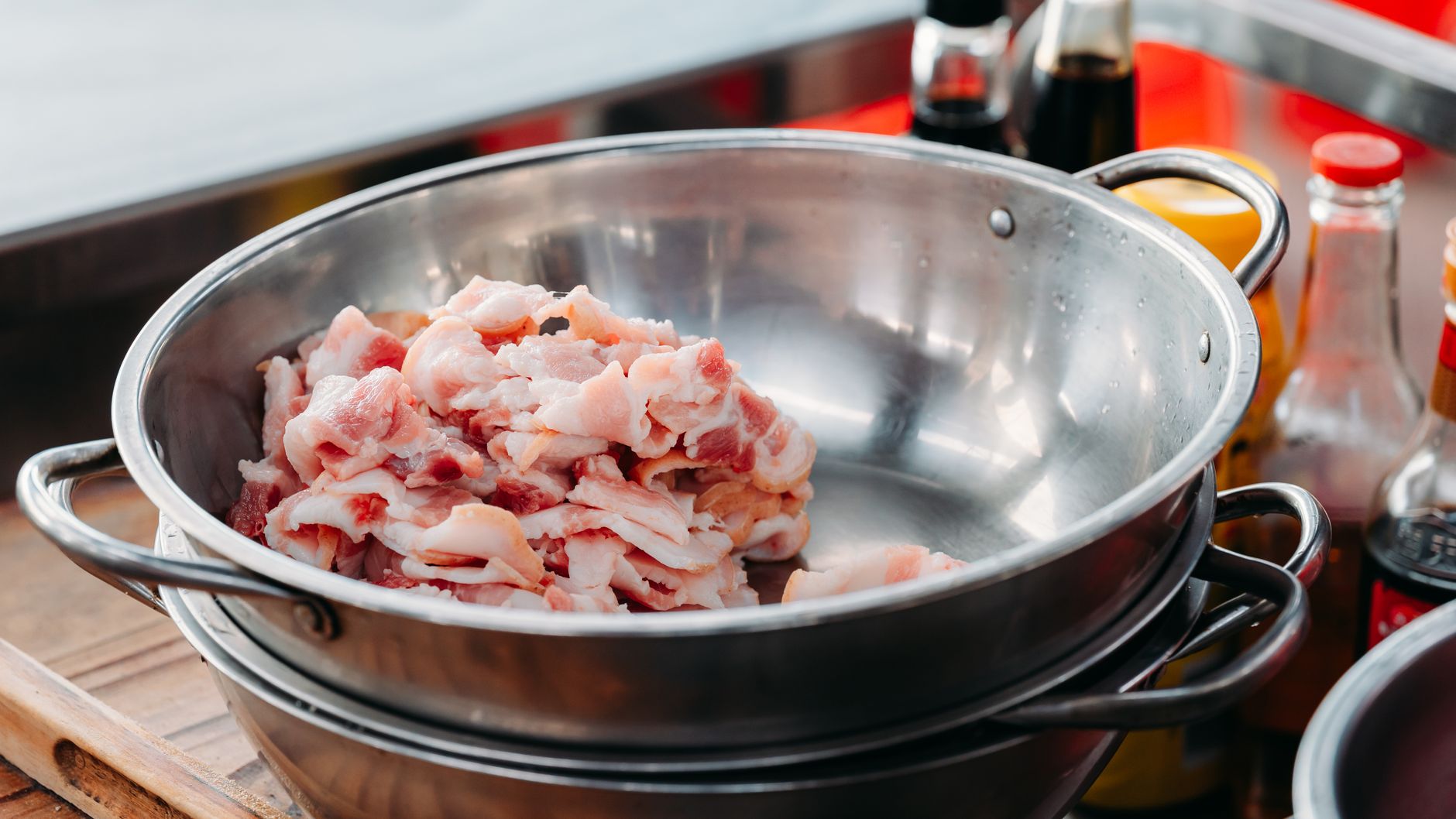
Raw pork poses significant health risks and is not considered safe to eat. Consuming raw or undercooked pork can lead to foodborne illnesses such as trichinosis and other bacterial infections. This article delves into the reasons behind the risks associated with raw pork, safe cooking practices, and alternatives for enjoying pork dishes.
The focus will also be on food safety measures, proper preparation techniques, and serving suggestions to ensure a safe and flavorful pork experience. Whether you’re a cooking enthusiast or just curious about pork consumption, understanding these aspects is essential.
Can You Eat Raw Pork?
Strictly speaking, no, you cannot safely eat raw pork. Pork can harbor parasites and bacteria that can cause serious illness. The USDA recommends cooking pork to an internal temperature of at least 145°F (63°C) and allowing it to rest for three minutes before serving. This ensures that harmful organisms are killed and prevents the risk of foodborne illness.
Health Risks Associated with Raw Pork
Several health risks are associated with consuming raw or undercooked pork. The two most notable concerns are trichinosis and bacterial infections.
Trichinosis
Trichinosis is a parasitic disease caused by eating raw or undercooked meat infected with the larvae of the Trichinella species. While trichinosis infections are less common in modern farming practices due to improved regulations, they can still occur. Symptoms may include nausea, diarrhea, abdominal pain, and muscle soreness.
Bacterial Infections
Raw pork can also harbor harmful bacteria such as:
- Salmonella: Commonly responsible for food poisoning, leading to diarrhea, fever, and stomach cramps.
- E. coli: Certain strains can cause severe intestinal illness and complications.
- Yersinia enterocolitica: Causes yersiniosis, which can lead to fever, abdominal pain, and gastrointestinal symptoms.
Safe Cooking Practices for Pork
To enjoy pork safely, proper cooking techniques are crucial. The USDA advises the following cooking guidelines for pork:
Internal Temperature
Cook pork products to a minimum internal temperature of:
- 145°F (63°C) for whole cuts (like pork chops and roasts), followed by a 3-minute rest.
- 160°F (71°C) for ground pork, sausage, and any product made from ground pork.
- 170°F (77°C) for all pork products, including those utilizing stuffing.
Using a Meat Thermometer
Always use a reliable meat thermometer to check the internal temperature. Insert it into the thickest part of the meat away from bone and fat for an accurate reading.
Cross-Contamination Prevention
To prevent cross-contamination when handling pork:
- Use separate cutting boards for raw meat and other food items.
- Wash hands, utensils, and surfaces with hot soapy water after handling raw pork.
- Store raw pork on the bottom shelf of the refrigerator to prevent juices from contaminating other foods.
Preparing and Cooking Pork Safely
Understanding how to prepare and cook pork safely increases your enjoyment of this versatile ingredient. Here are some tips to help you:
Choosing Quality Pork
When purchasing pork, look for:
- Meat that is pinkish-red in color with minimal discoloration.
- Fatty areas that are white or creamy in color.
- Fresh smell—avoid any with a sour odor.
Thawing Frozen Pork
To safely thaw frozen pork:
- Thaw in the refrigerator: This method takes longer but is the safest and helps maintain quality.
- Using cold water: Seal the pork in a leak-proof bag and submerge it in cold water, changing the water every 30 minutes.
- In the microwave: If you will cook it immediately after thawing.
Common Cooking Methods for Pork
Pork can be prepared using various cooking methods, each delivering unique flavors and textures. Some popular methods include:
Grilling
Grilling pork adds a smoky flavor. It’s suitable for pork chops, tenderloin, and ribs. Preheat your grill and cook until the meat reaches the appropriate internal temperature.
Roasting
Roasting is ideal for larger cuts such as pork loin or shoulder. Season the meat and roast it in a preheated oven until cooked through.
Pan-Seering
Pan-searing is perfect for pork chops or pork tenderloin. Use high heat to create a golden-brown crust, then finish cooking in the oven if necessary.
Slow Cooking
Slow cooking pork allows the meat to become tender and flavorful. This method works well for tougher cuts like pork shoulder, typically cooked in sauces or broths.
Serving Suggestions for Cooked Pork
Pork Tacos
Shred cooked pork and serve in warm tortillas topped with fresh cilantro, diced onions, and your favorite salsa.
Pork Stir-Fry
Slice pork thinly and stir-fry with colorful vegetables and a savory sauce for a quick meal.
Pork and Apples
Pair roasted pork with sautéed apples and onions for a sweet-savory dish.
Pork Sandwiches
Use leftover pulled pork to create hearty sandwiches with coleslaw and barbecue sauce.
Substitutions for Raw Pork
If you’re looking for alternatives to raw pork dishes, consider using:
Chicken or Turkey
These are versatile substitutes for ground pork in recipes like tacos or meatballs. Ensure these meats are also cooked thoroughly.
Beef
Ground beef can replace ground pork, lending a different flavor profile while still providing a hearty meal.
Vegetarian Options
For meatless dishes, try mushrooms, tempeh, or seitan as substantial alternatives in various recipes.
Common Mistakes and Troubleshooting
When preparing pork, avoid these common pitfalls:
Addressing Overcooked Pork
If your pork turns out dry, it may have been overcooked. Use a marinade or sauce to enhance moisture during serving.
Flavoring Issues
If your pork lacks flavor, consider marinating it ahead of time or using a dry rub to enhance seasoning prior to cooking.
Inconsistent Cooking
Ensure uniform thickness in cuts of meat to promote even cooking throughout the entirety of the pork cut.
Storage and Reheating Tips
Proper storage and reheating of pork leftovers are critical for maintaining safety and flavor. Here’s how:
Storing Cooked Pork
Refrigerate leftovers within two hours of cooking. Store them in airtight containers and consume within three to four days.
Freezing Cooked Pork
If plan to keep it longer, cooked pork can be frozen for up to three months. Wrap it tightly in freezer-safe packaging to prevent freezer burn.
Reheating Guidelines
When reheating cooked pork, ensure it reaches an internal temperature of at least 165°F (74°C) to ensure safety.
Conclusion
Raw pork is not safe to eat, given the high risks of trichinosis and bacterial infections. Understanding food safety, cooking guidelines, and appropriate serving methods is essential for safely enjoying pork. Always cook pork to the recommended temperatures and implement safe food handling practices.
For more pork recipes, consider trying our pork cutlets recipe or baked pork chop recipe to explore delicious ways to enjoy this versatile meat.