
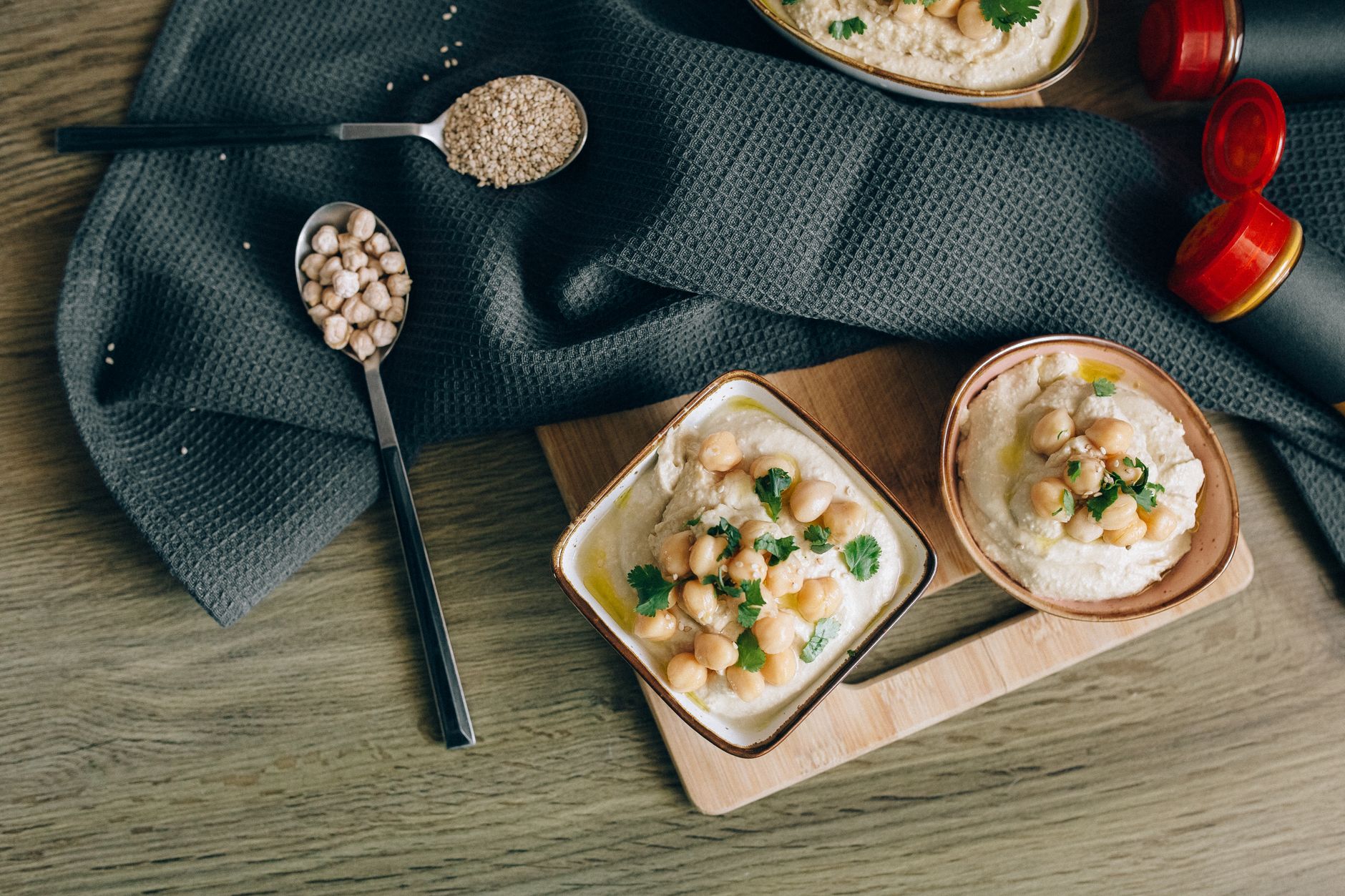
Tahini is a rich, creamy paste made primarily from ground sesame seeds. It’s a staple ingredient in many Mediterranean and Middle Eastern cuisines, known for its nutty flavor and smooth texture. Beyond its culinary uses, tahini is packed with nutrition and offers various health benefits.
In this article, we will explore what tahini is made out of, its taste and texture, nutritional value, and its myriad uses in the kitchen. Whether you’re looking to learn more about this ingredient to enhance your dishes or simply curious about its composition, we have you covered.
What Is Tahini Made Out Of?
Tahini is made from sesame seeds that are roasted and then ground into a smooth, silky paste. The seeds can be hulled or unhulled before grinding, which can affect the flavor and nutritional content of the final product. The resulting paste is often used in various dishes, sauces, dips, and salad dressings.
The Flavor Profile of Tahini
Tahini has a unique flavor profile characterized by its nutty, slightly bitter taste. When using hulled sesame seeds, the tahini tends to be smoother and less bitter, while unhulled tahini retains a more pronounced sesame flavor. This makes tahini a versatile ingredient, capable of enhancing both sweet and savory dishes.
Texture and Appearance
The texture of tahini is typically creamy and smooth, resembling peanut butter or a thick paste. It can vary based on the grinding process and whether the sesame seeds were hulled. A well-blended tahini should spread easily and have a uniform consistency, without clumps or separation. When fresh, tahini can maintain its texture for several weeks, but it may require stirring if separation occurs.
Nutritional Value of Tahini
Tahini is not just delicious but also nutritious. It offers a variety of essential vitamins and minerals, making it a healthy addition to your diet. Here are some of the key nutrients found in tahini:
- Healthy fats: High in unsaturated fats, tahini contributes to heart health.
- Protein: A good source of plant-based protein, tahini can help support muscle growth and repair.
- Vitamins: Tahini contains several B vitamins, including B1 (thiamine), B2 (riboflavin), B3 (niacin), and vitamin E.
- Minerals: It is rich in calcium, magnesium, phosphorus, and iron.
- Antioxidants: Sesame seeds contain antioxidants, which can help protect the body from damage caused by free radicals.
How Is Tahini Made?
The process of making tahini at home is quite simple and requires minimal equipment. Follow these steps to create your own tahini:
- Select your sesame seeds: Choose high-quality sesame seeds. You can opt for hulled for a smoother taste or unhulled for a more robust flavor and higher nutritional content.
- Roast the seeds (optional): For added flavor, lightly toast the sesame seeds in a dry skillet over medium heat for 5-10 minutes, stirring frequently until golden brown.
- Cool the seeds: Allow the toasted seeds to cool before grinding to avoid excess heat and prevent the oil from separating.
- Grind the seeds: Place the cooled seeds in a food processor or high-speed blender. Blend until the seeds break down, and the mixture starts to become a paste.
- Add oil (if desired): For a creamier texture, you can add a neutral oil, such as light olive oil or grapeseed oil. Start with one tablespoon and blend until smooth.
- Adjust consistency: If the tahini is too thick, you can add water or more oil until you reach the desired consistency.
- Store your tahini: Transfer the tahini to an airtight jar and refrigerate. It should last for a month or more.
Culinary Uses of Tahini
Tahini is a versatile ingredient that can be incorporated into numerous dishes. Here are some popular ways to use tahini in your cooking:
Dips and Spreads
Tahini is a key ingredient in many dips, such as hummus. It adds creaminess and depth of flavor. You can easily create a simple tahini dip by combining tahini with lemon juice, garlic, salt, and water for a delicious spread.
Salad Dressings
Tahini can be blended with various ingredients to create nutritious salad dressings. Combine tahini with lemon juice, olive oil, minced garlic, and your favorite herbs for a zesty dressing that complements greens and grains alike.
Desserts
Tahini’s nutty flavor pairs well with sweets. Incorporate it into your favorite cookie or brownie recipe for added richness. You can also make tahini-based desserts like tahini chocolate cookies or tahini fudge.
Soups and Stews
Add a spoonful of tahini to soups and stews for an extra creaminess and a nutty flavor. It’s particularly enjoyable in Mediterranean-style dishes or in creamy tomato soups.
Practical Substitutions for Tahini
If you find yourself without tahini, several alternatives can be used to achieve similar flavors and textures:
- Sunflower seed butter: A close substitute with a similar creamy texture and nutty flavor, making it an excellent option for those with sesame allergies.
- Peanut butter: This creates a different flavor profile but adds a similar creaminess. It works particularly well in desserts.
- Almond butter: Provides a slightly sweeter flavor, which can work well in dressings and desserts.
- Greek yogurt: For a lighter option, Greek yogurt can be used in dips and dressings, though it will change the flavor profile significantly.
- Homemade tahini: If you have sesame seeds on hand, follow the steps outlined above to make a simple homemade version.
Common Mistakes When Making Tahini
While making tahini is straightforward, there are a few common mistakes that can affect the final product:
- Using high heat: Over-roasting the seeds can lead to burnt flavors. Always toast them over medium heat and watch them closely.
- Not cooling the seeds: Failing to cool the seeds before grinding can make the oils release too quickly, affecting the texture.
- Skimping on oil: While tahini can be made without oil, adding a small amount can create a smoother, creamier texture.
- Not stirring: If storing tahini, separation may occur. Be sure to stir well before using to reincorporate any separation.
Storage and Shelf Life
Proper storage of tahini will help maintain its flavor and texture:
- Tahini can be stored in an airtight container in the refrigerator for about one month. If stored properly, it may last longer.
- As tahini may separate, simply stir it before each use. If it develops an off odor or flavor after extended storage, discard it.
Exploring Tahini in Different Cuisines
Tahini is commonly used in Middle Eastern and Mediterranean cooking but has also found its way into various other cuisines:
Middle Eastern Cuisine
In Middle Eastern cuisine, tahini is essential for dishes like hummus, baba ghanoush, or drizzled over falafel. It can also be used in creating sauces for grilled meats.
Mediterranean Cuisine
Tahini is often featured in Mediterranean salads and dressings, providing a nutty flavor that enhances many vegetable dishes.
Asian Influence
In modern fusion cooking, tahini has started to appear in Asian-inspired dishes, such as noodle bowls and sushi rolls, where its creaminess works well with fresh ingredients.
Conclusion
Tahini is more than just a paste made from sesame seeds; its versatility and unique flavor make it a valuable addition to many dishes. From dips and dressings to desserts and more, this creamy paste can enhance the flavor and nutritional value of various recipes. Understanding what tahini is made of, its uses, and how to make or substitute it can elevate your culinary skills. The next time you plan a meal, consider incorporating tahini for its rich taste and health benefits.
Explore more about cooking with tahini and delicious recipes, including a hummus recipe without tahini, or discover other compositions in our guide on what molasses is made from.