
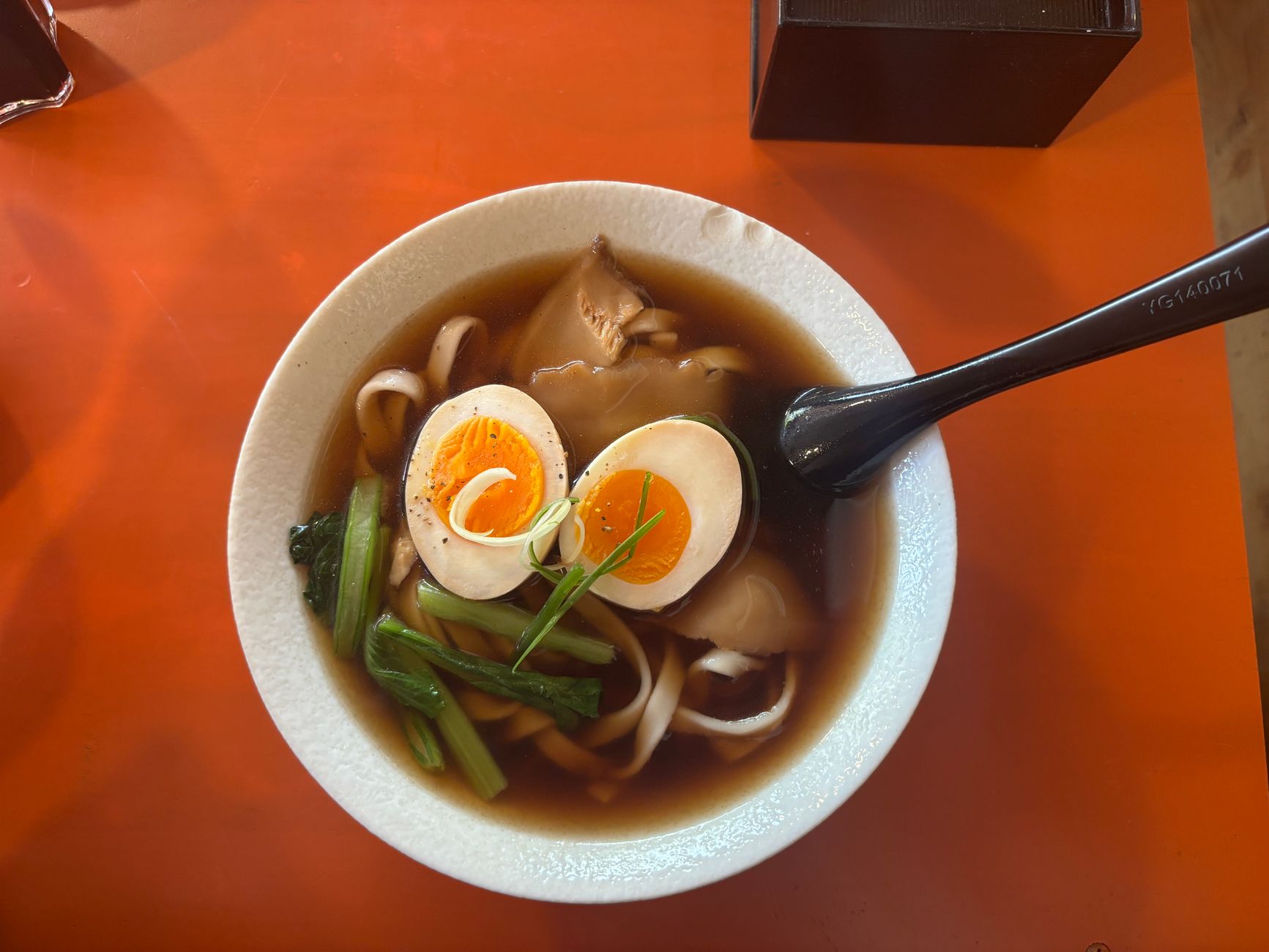
Ramen is a comforting bowl of noodles that comes in many variations, with rich flavors that satisfy a variety of palates. One ingredient that can elevate your ramen experience is the egg. Knowing when to add egg to ramen can significantly impact the dish’s flavor, texture, and overall enjoyment. This guide will explore the different methods of incorporating egg into ramen, alongside practical serving ideas and tips.
Whether you prefer a soft-boiled egg, a poached egg, or a scrambled egg stir-in, understanding the timing and technique can transform a simple bowl of ramen into a culinary delight. Let’s dive into the best practices for adding egg to ramen and how to personalize your noodles.
When to Add Egg to Ramen?
The ideal time to add egg to ramen depends on the cooking method you choose. For soft-boiled eggs, it’s recommended to prepare them in advance and add them just before serving. For poached eggs, drop them in the boiling broth towards the end of cooking. Scrambled eggs can be stirred in either during or after the noodles have cooked. Each method brings distinct textures and flavors to your ramen experience.
Types of Egg Preparations for Ramen
When it comes to ramen, you can choose from several egg preparation methods. Each contributes uniquely to your meal. Here’s an overview of the most popular techniques:
1. Soft-Boiled Eggs
Soft-boiled eggs are a traditional favorite in ramen dishes. Their creamy yolks offer a rich flavor complementing the broth.
- Flavor: Creamy and slightly salty.
- Texture: Smooth and velvety yolk with a firmer white.
- Cooking Time: Approximately 6-7 minutes.
2. Poached Eggs
Adding a poached egg directly to ramen can create a rich, luscious broth.
- Flavor: Light and delicate.
- Texture: Soft and runny yolk with a silky white.
- Cooking Time: Around 3-4 minutes.
3. Scrambled Eggs
Scrambling eggs and stirring them into ramen provides a different texture and is also a quick option.
- Flavor: Rich and comforting with a slight egginess.
- Texture: Fluffy chunks that blend well with the noodles.
- Cooking Time: Just 1-2 minutes.
4. Raw Eggs
Some ramen enthusiasts enjoy adding a raw egg directly to the hot noodles, allowing it to “cook” slightly in the residual heat.
- Flavor: Mild egg flavor enhances the broth.
- Texture: Velvety when mixed well.
- Cooking Time: Instant upon mixing.
How to Prepare Soft-Boiled Eggs for Ramen
To create the perfect soft-boiled egg, follow these steps:
- Bring a pot of water to a rolling boil.
- Gently lower the eggs into the boiling water using a slotted spoon.
- Boil for 6-7 minutes for a soft yolk or longer for a firmer center.
- After cooking, immediately transfer the eggs to an ice bath to halt the cooking process.
- Peel and marinate the eggs in soy sauce and mirin for at least 30 minutes for added flavor.
When to Add Soft-Boiled Eggs to Ramen
Once your eggs are prepped and marinated, simply slice them in half and place them atop your serving of ramen just before digging in. This method preserves the creamy yolk’s richness, enhancing the soup without overcooking.
How to Poach an Egg for Ramen
Here’s how to poach an egg right in your ramen:
- Bring the broth of your ramen to a gentle simmer.
- Crack an egg into a small bowl to make it easier to drop into the soup.
- Slowly slide the egg into the simmering broth, using a spoon to circle around it gently.
- Poach for 3-4 minutes, or until whites are set but yolk remains runny.
- Using a slotted spoon, carefully lift the poached egg out of the broth and place it atop the noodles.
When to Add Poached Eggs to Ramen
Poach the egg in the broth during the final moments of cooking. For best results, serve immediately on the noodles to retain a perfect runny yolk.
Scrambled Eggs in Ramen
Add scrambled eggs for a quick and satisfying protein boost:
- Whisk your eggs in a bowl and season with a pinch of salt.
- In a non-stick pan, heat a tablespoon of oil over medium heat.
- Pour in the eggs and start stirring gently until just set.
- Add the scrambled eggs into your cooked ramen at the end, stirring gently to combine without breaking them apart.
When to Add Scrambled Eggs to Ramen
Stir scrambled eggs into the hot noodles right after cooking, allowing the residual heat from the noodles to warm them through without overcooking.
Using Raw Eggs in Ramen
For the adventurous, adding a raw egg to your ramen creates a unique creamy texture. Here’s how:
- Prepare your ramen as usual, cooking the noodles and heating the broth.
- Once ready to serve, crack a raw egg directly into the hot broth.
- Stir quickly to combine, allowing the heat to lightly cook the egg.
When to Add Raw Eggs to Ramen
This method can be done right before serving, ensuring that the egg mixes well with the hot broth, creating a velvety texture.
Tips for Adding Eggs to Ramen
Here are some helpful tips to enhance your egg incorporation in ramen:
- Always use fresh eggs for the best flavor and texture.
- Marinating a soft-boiled egg in soy sauce improves its flavor profile.
- Ensure your noodles are cooked to your preferred texture before adding eggs.
- Adjust the cooking time based on how you like your yolk—soft or firm.
- Garnish your ramen with green onions or nori after adding the eggs for extra flavor and visual appeal.
Common Mistakes When Adding Eggs to Ramen
Even experienced cooks can encounter pitfalls when cooking eggs in ramen. Here are some common mistakes to avoid:
- Overcooking the egg: It’s important to pay attention to time, particularly when poaching or boiling an egg.
- Skipping marination: Marinating soft-boiled eggs greatly enhances their flavor.
- Using cold eggs: Bringing eggs to room temperature before cooking can make them cook evenly.
How to Serve Ramen with Eggs
To create a well-balanced bowl of ramen with eggs, consider these serving ideas:
- Top your ramen noodles with a half or whole soft-boiled egg for visual appeal.
- For poached eggs, serve with a sprinkle of fresh herbs, chili oil, or sesame seeds.
- Incorporate vegetables like spinach or bok choy for added nutrition, alongside the egg.
- Experiment with different broth flavors, such as tonkotsu or miso, to complement the egg.
Storage and Reheating Guidelines for Ramen with Eggs
If you prepare ramen with eggs in large quantities, store them properly to maintain flavor and safety:
- Store leftover ramen in an airtight container in the refrigerator for 1-2 days.
- For soft-boiled eggs, keep them separate to prevent spoilage. They can last up to one week if stored safely.
- Reheat ramen on the stovetop over medium heat, adding a splash of broth to prevent drying.
- Avoid reheating eggs more than once for best texture.
Exploring Variations on Ramen with Eggs
Ramen is versatile, and so are the ways you can incorporate eggs. Here are some variations:
- Try flavored eggs such as shoyu or tare-infused eggs for additional depth.
- Incorporate other proteins like chicken or tofu along with your eggs for a fuller meal.
- Add spice with chili paste or kimchi for a kick while enjoying the creaminess of the eggs.
In summary, adding egg to ramen isn’t just about nutrition; it’s about enhancing flavor and texture. By choosing the right type of egg and knowing when to integrate it into your ramen, you can create a satisfying meal perfect for any occasion. Enjoy experimenting with different combinations to find your favorite!
For further culinary exploration, consider trying a Buldak Ramen Recipe if you’re looking to spice things up or check out this delightful Creamy Ramen Recipe for a comforting twist.