
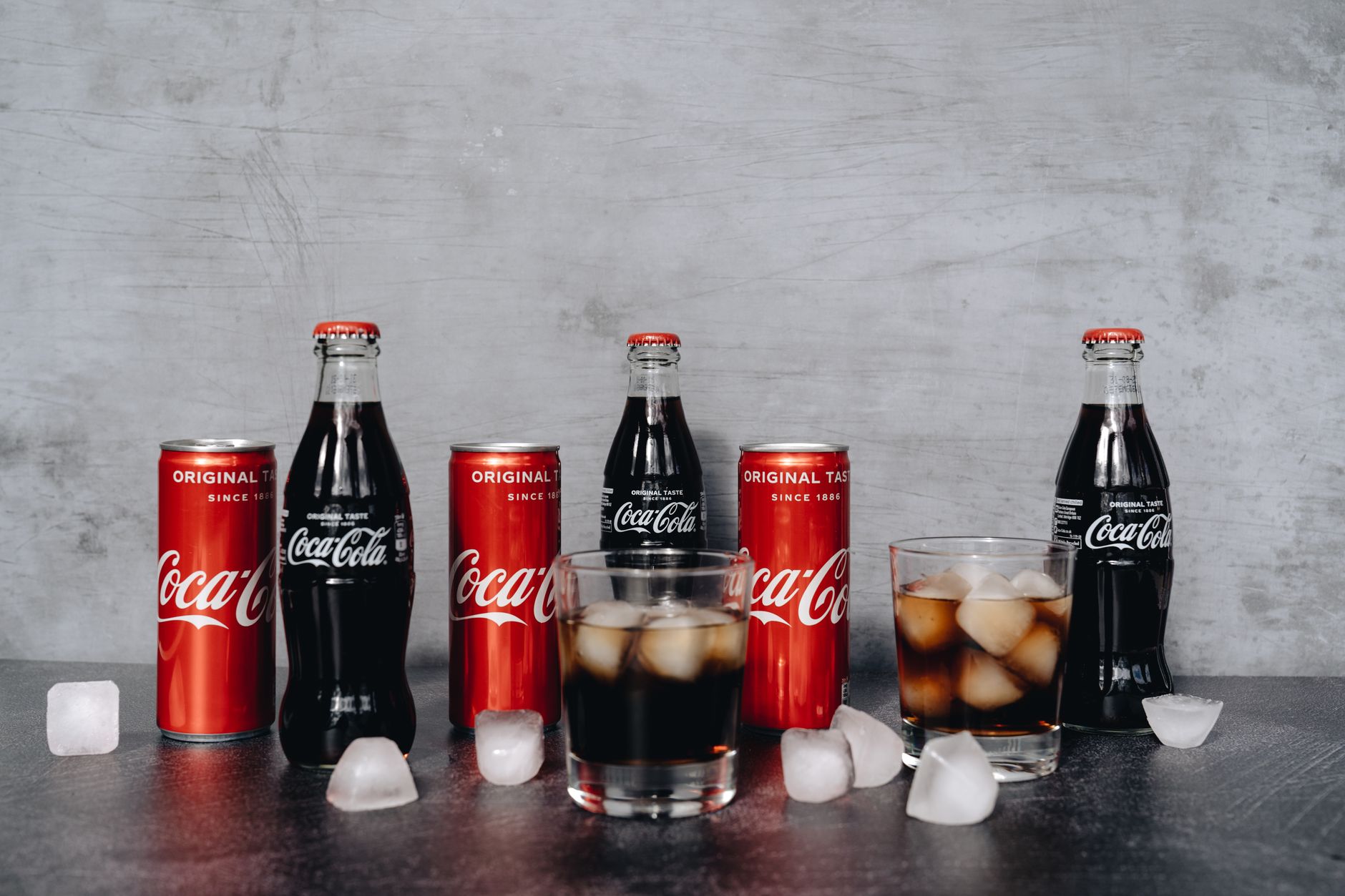
Caffeine is a familiar topic for many, arising in conversations about energy levels, productivity, and even health. Two of the most popular sources of caffeine are Coke and coffee. But how do these two beverages compare in terms of caffeine content? This article delves into the caffeine differences between Coke and coffee, exploring their respective flavors, brewing methods, and more.
Understanding the caffeine levels in these beverages not only helps you make informed choices but can also aid in meal planning, especially if you enjoy these drinks alongside meals. Let’s break down how Coke and coffee stack up against each other.
How Much Caffeine in Coke vs Coffee?
On average, an 8-ounce (240 ml) cup of coffee contains about 95 mg of caffeine, while an 12-ounce (355 ml) can of Coca-Cola contains approximately 34 mg. Thus, coffee generally has a significantly higher caffeine content than Coke. As we explore deeper, we’ll look at how these drinks differ in flavor, preparation, and how the caffeine may affect you.
The Caffeine Content: A Closer Look
To provide a better understanding, here’s a comparative overview of caffeine content in various servings of both drinks:
| Drink | Serving Size | Caffeine Content |
|---|---|---|
| Coca-Cola Classic | 12 oz (355 ml) | 34 mg |
| Coca-Cola Diet | 12 oz (355 ml) | 46 mg |
| Coca-Cola Zero Sugar | 12 oz (355 ml) | 34 mg |
| Regular Brewed Coffee | 8 oz (240 ml) | 95 mg |
| Espresso | 1 oz (30 ml) | 63 mg |
This table clearly shows coffee’s higher caffeine content in comparison to Coke, emphasizing why many people rely on coffee for a quick energy boost.
Why the Caffeine Difference?
The primary reason for the caffeine discrepancy lies in their sourcing and preparation methods. Coffee beans naturally contain higher levels of caffeine compared to the ingredients used in soda. Coke is a carbonated beverage that derives its caffeine from additives.
The Source of Caffeine
Coffee’s caffeine comes from the coffee beans that undergo a complex brewing process. When brewed, the hot water extracts caffeine and flavors, creating a rich and robust drink. In contrast, soda like Coke typically uses caffeine as a flavoring agent rather than as a natural component.
Flavor Profiles: Coffee vs. Coke
While caffeine is a core aspect of energy from these drinks, flavor plays a vital role in their consumption.
Coffee Flavor Notes
Coffee is well-known for its deep, rich flavor profile. The taste can vary significantly depending on the coffee beans, roast level, and brewing method. Some people enjoy the bold bitterness, while others may prefer a smoother, milder brew. Coffee can also feature notes ranging from chocolatey to fruity, making it a versatile companion to various foods.
Coke Flavor Notes
Coca-Cola’s flavor is sweet and carbonated, with a blend of citrus and spices that create its signature taste. The sugary sweetness is often enhanced with the carbonation, providing a refreshing experience. While it doesn’t have the complexity of coffee, Coke’s appeal lies in its simplicity and instant refreshment.
Health Considerations
As much as caffeine can provide an energy boost, it’s important to consider its effects on health. Moderation is key, especially when choosing between coffee and Coke.
Caffeine Sensitivity
Some individuals may be more sensitive to caffeine than others. While coffee can be enjoyed with various amounts of caffeine, those who consume Coke should be mindful of the cumulative caffeine effects if paired with other caffeinated beverages. Symptoms of excessive caffeine intake can include jitteriness, anxiety, and sleep disturbances.
Caloric and Sugar Content
Another crucial aspect when considering Coke and coffee is the caloric and sugar content. A standard serving of Coke usually contains high levels of sugar, which contributes to its sweet flavor, while coffee, when taken black, is virtually calorie-free. For those watching their sugar intake, coffee may be a better choice.
Best Times to Drink Coke and Coffee
Understanding when to consume these beverages is important for optimizing their effects and benefits.
When to Enjoy Coffee
Many coffee enthusiasts believe the best time for coffee consumption is in the morning, as it can effectively signal the start of the day. This is when cortisol levels are naturally higher, making caffeine an excellent choice for an extra boost in energy. Additionally, post-lunch hours can be ideal for coffee to overcome the afternoon slump.
When to Enjoy Coke
Coke is often consumed during social gatherings and meals. Its sweetness and carbonation can complement rich or savory foods, making it a popular choice at picnics or barbecues. People may also enjoy Coke during hot days for a refreshing pick-me-up.
Brewing Methods for Coffee
While Coke is ready-to-drink from the can or bottle, coffee requires a bit of preparation. Different brewing methods can also affect the flavor and caffeine content.
Popular Brewing Techniques
- Drip Coffee Maker: This is the most common method, where water is heated and passed through ground coffee.
- French Press: Involves steeping coffee grounds in hot water before pressing the grounds down, resulting in a full-bodied cup.
- Espresso Machine: Water is forced through finely-ground coffee under pressure, creating a concentrated shot of coffee.
- Pour Over: Hot water is poured manually over coffee grounds, allowing for control over flavor extraction.
Serving Suggestions
When pairing Coke and coffee with meals, consider their complementary qualities.
Pairing Food with Coffee
Black coffee pairs well with breakfast items like pastries, eggs, and pancakes, thanks to its bitterness that cuts through rich flavors. For a sweeter option, creamy coffee beverages or flavored lattes can enhance desserts like cheesecake or chocolate cake.
Pairing Food with Coke
Coke complements a variety of dishes, especially fried or barbecued foods. Its sweetness balances salty flavors. Consider pairing Coke with cheeseburgers, pizza, or chicken wings for a classic combination.
Common Mistakes with Caffeine Consumption
To fully enjoy coffee and Coke, understanding common pitfalls in consumption can be beneficial.
For Coffee
- Over-brewing: Leaving coffee to brew for too long can result in bitterness.
- Incorrect Water Temperature: Water that’s too hot can scorch the coffee, while too cool water can lead to under-extraction.
- Ignoring Grind Size: Using the wrong grind size for your brewing method affects flavor extraction; coarser for French press and finer for espresso.
For Coke
- Serving Temperature: Ideally, Coke should be served chilled. Warm soda loses carbonation and refreshing quality.
- Pairing with Health-Conscious Foods: Many people assume that a diet soda is a healthier alternative, but high sugar consumption should still be monitored.
Make Your Own Variations
Another intriguing aspect of both beverages is their versatility. You can customize your drinks to suit your taste or dietary needs.
Coffee Variations
- Cold Brew: Steep coffee grounds in cold water for 12-24 hours for a smooth, less acidic flavor.
- Flavored Coffee: Add syrups, spices like cinnamon or nutmeg, or flavored creamers for a unique twist.
- Iced Coffee: Brew coffee and serve it over ice, adapting it to warmer weather.
Coke Variations
- Mixers: Combine Coke with flavored spirits or juices for an elevated drink experience.
- DIY Float: Pair Coke with a scoop of ice cream for a classic root beer float twist.
- Flavor Infusions: Add fruits or herbs like lime or mint for a refreshing take.
Storage and Reheating Tips
While Coke has no complex storage needs, coffee requires some attention to maintain its flavor.
Storage for Coffee
To keep coffee fresh, store it in an airtight container in a cool, dark place. Avoid exposure to air and sunlight, which can degrade flavor over time. Brewed coffee can last for up to 2 hours at room temperature before beginning to lose its flavor.
Storage for Coke
Coke can be stored in its original cans or bottles at room temperature, but refrigerating it will enhance its refreshing nature. Always check the expiration date to ensure freshness.
Summary of Caffeine Content and Use
In summary, Coke contains significantly less caffeine compared to coffee. While you can enjoy Coke for its sweetness and refreshing qualities, coffee offers a richer flavor profile with a higher caffeine boost. Both drinks have their merits, so understanding their differences can guide your choices based on your dietary needs and taste preferences.
Whether you reach for a cup of coffee in the morning or a can of Coke at lunch, being mindful of caffeine and flavor can enhance your dining experience. Consider experimenting with different brewing methods or food pairings to find what works for you.
Explore more articles and guides, such as how much caffeine in chai tea or whether Diet Dr. Pepper has caffeine, to deepen your understanding of beverages and their contents.