
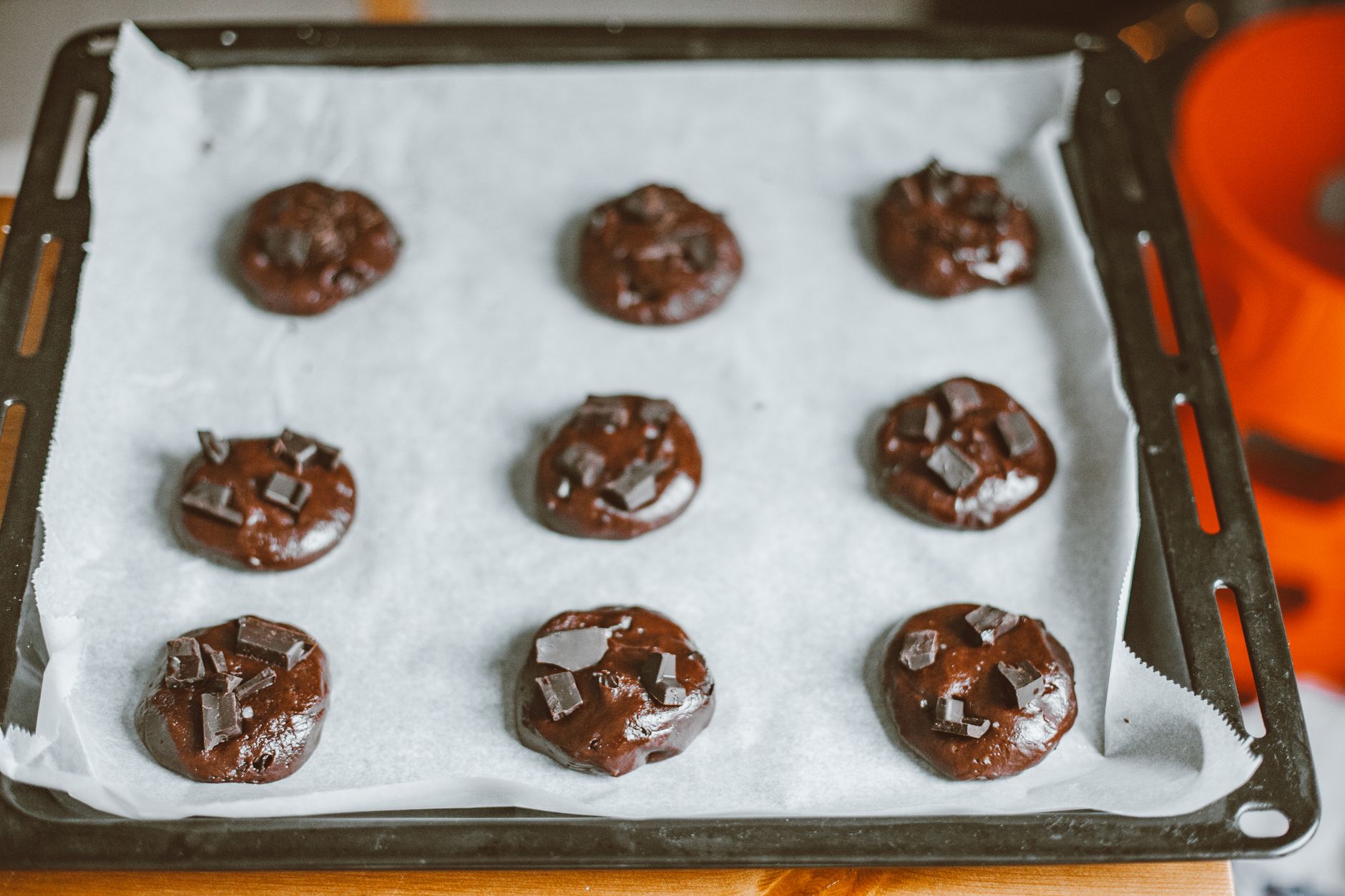
When it comes to baking cookies, there are many variables that influence the final product. One common question is whether baking soda is necessary for cookies. The short answer is that while not all cookie recipes require baking soda, it plays an essential role in many traditional recipes to ensure the right texture, flavor, and rise.
This article will explore the functions of baking soda in cookie recipes, how it compares with baking powder, and tips for using it effectively to create delicious cookies that are soft, chewy, or crispy—just how you like them.
Do Cookies Need Baking Soda?
Cookies do not universally require baking soda, but it is vital for many recipes. Baking soda acts as a leavening agent that helps cookies rise while baking. It also contributes to the browning of cookies through a reaction that produces a rich flavor. Without baking soda, cookies may turn out denser and less flavorful.
Understanding Baking Soda and Its Role
Baking soda, also known as sodium bicarbonate, is a chemical compound that acts as a leavening agent. It requires an acid to activate it, which produces carbon dioxide gas that helps baked goods rise. In the context of cookies, it typically works alongside acidic ingredients like brown sugar, buttermilk, or yogurt.
Key Functions of Baking Soda in Cookies
- Leavening: Baking soda produces carbon dioxide, creating air pockets that give cookies a light and fluffy texture.
- Color and Flavor: The Maillard reaction, which occurs during baking, can be enhanced with baking soda, resulting in a browner color and deeper flavor profile.
- pH Adjustment: Baking soda can help neutralize the acidity in cookie batter, affecting the overall taste and texture.
Baking Soda vs. Baking Powder
Both baking soda and baking powder are used as leavening agents, but they function differently. Baking powder contains both an acid and a base, which means it can activate with moisture and heat. Baking soda, on the other hand, needs an acid to work. Here’s a quick comparison:
| Feature | Baking Soda | Baking Powder |
|---|---|---|
| Requires an acid | Yes | No |
| Gas release at? | Mixing | Mixing and heating |
| Texture | Chewy cookies | Fluffy cookies |
When to Use Baking Soda in Cookie Recipes
Not every cookie recipe requires baking soda. Here are some guidelines for knowing when to include baking soda:
Recipes that Traditionally Use Baking Soda
- Chocolate Chip Cookies: Most classic recipes—like the popular Ghirardelli chocolate chip cookie recipe—rely on baking soda to achieve a chewy and slightly crisp texture.
- Snickerdoodles: This beloved cinnamon-sugar cookie often uses baking soda for leavening, although variations exist that can omit it.
- Soft Cookies: Recipes that aim for soft, chewy textures benefit significantly from baking soda.
When To Omit Baking Soda
If you’re using self-rising flour or recipes that rely on whipped egg whites for structure, baking soda may not be necessary. You can also consider omitting it in recipes for cookies that are dense, such as biscotti or certain types of shortbread, which do not require extra leavening.
Making Substitutions: What to Use Instead of Baking Soda
If you find yourself without baking soda, don’t worry. There are alternatives, but understand that they may yield different results:
- Baking Powder: Use triple the amount of baking powder as you would baking soda, as it contains both acid and base.
- Potassium Bicarbonate: This is a potassium-based alternative to sodium bicarbonate. Use it in equal quantities, but it does not provide the same flavor-enhancing properties.
- Self-rising Flour: If you have self-rising flour on hand, you can replace regular flour and baking soda with it. Adjust the recipe’s salt since self-rising flour contains some salt.
Practical Tips for Using Baking Soda in Cookies
Measurement Matters
Precise measurement is crucial. Too much baking soda can result in a soapy taste while too little may lead to flat cookies. Generally, aim for about 1/4 teaspoon of baking soda per cup of flour.
Mixing Techniques
When using baking soda, it should be mixed thoroughly with the dry ingredients to ensure even distribution before combining with wet ingredients. This promotes more uniform leavening.
Timing is Key
Cookies should be baked soon after mixing the dough since the leavening action starts as soon as baking soda is combined with the wet ingredients. Delaying baking can lead to reduced rise.
Common Mistakes to Avoid
Understanding common pitfalls can save your cookie batch:
- Not Using Acid: When using baking soda, make sure your recipe includes an acidic component for the best results.
- Incorrect Letting The Dough Sit: Cookie dough should be chilled for the right amount of time to prevent spreading too much during baking.
- Uneven Mixing: Not incorporating the baking soda evenly can lead to inconsistent texture, resulting in some cookies rising more than others.
How to Get the Right Texture with Baking Soda
Different textures can be achieved depending on how the baking soda is utilized:
Soft and Chewy
- Use a higher ratio of brown sugar, which contains molasses, and paired with baking soda for added moisture and chewiness.
- Chill the dough to help it retain its structure.
Crispy Cookies
- Opt for more granulated sugar, which creates a crispier texture.
- Use less baking soda or pair with corn syrup.
Serving Suggestions for Cookies with Baking Soda
Whether you bake chocolate chip or snickerdoodles, how you serve your cookies can enhance the experience:
- Pairing with Milk: Classic chocolate chip cookies served with a glass of cold milk will satisfy any sweet tooth.
- Serving Warm: Freshly baked cookies are often best enjoyed warm, allowing for gooey centers and melted chocolate.
- Sandwich Style: Consider making ice cream sandwiches with your favorite cookies for a summertime treat.
Making Ahead and Storing Cookies
Cookies can typically be made ahead and stored for freshness. Store cooled cookies in an airtight container at room temperature for up to a week, or freeze them for longer storage.
Freezing Cookie Dough
If you want to bake cookies fresh later, consider freezing the dough. Portion the dough into balls and freeze them on a baking sheet. Once firm, transfer them to a resealable bag, and use them within three months. Bake straight from the freezer—add a couple of extra minutes to the baking time.
Conclusion
In summary, while cookies do not universally need baking soda, it is a key ingredient in many beloved recipes. By understanding its role, how to use it effectively, and how it interacts with other ingredients, you can enhance your cookie-baking skills significantly. Whether you prefer soft, chewy cookies or crispy delights, timing and measurement will help you achieve the right texture.
For a classic indulgence, check out the Ghirardelli chocolate chip cookie recipe or try a snickerdoodle recipe without cream of tartar for a new spin. Explore these recipes and elevate your baking journey!