
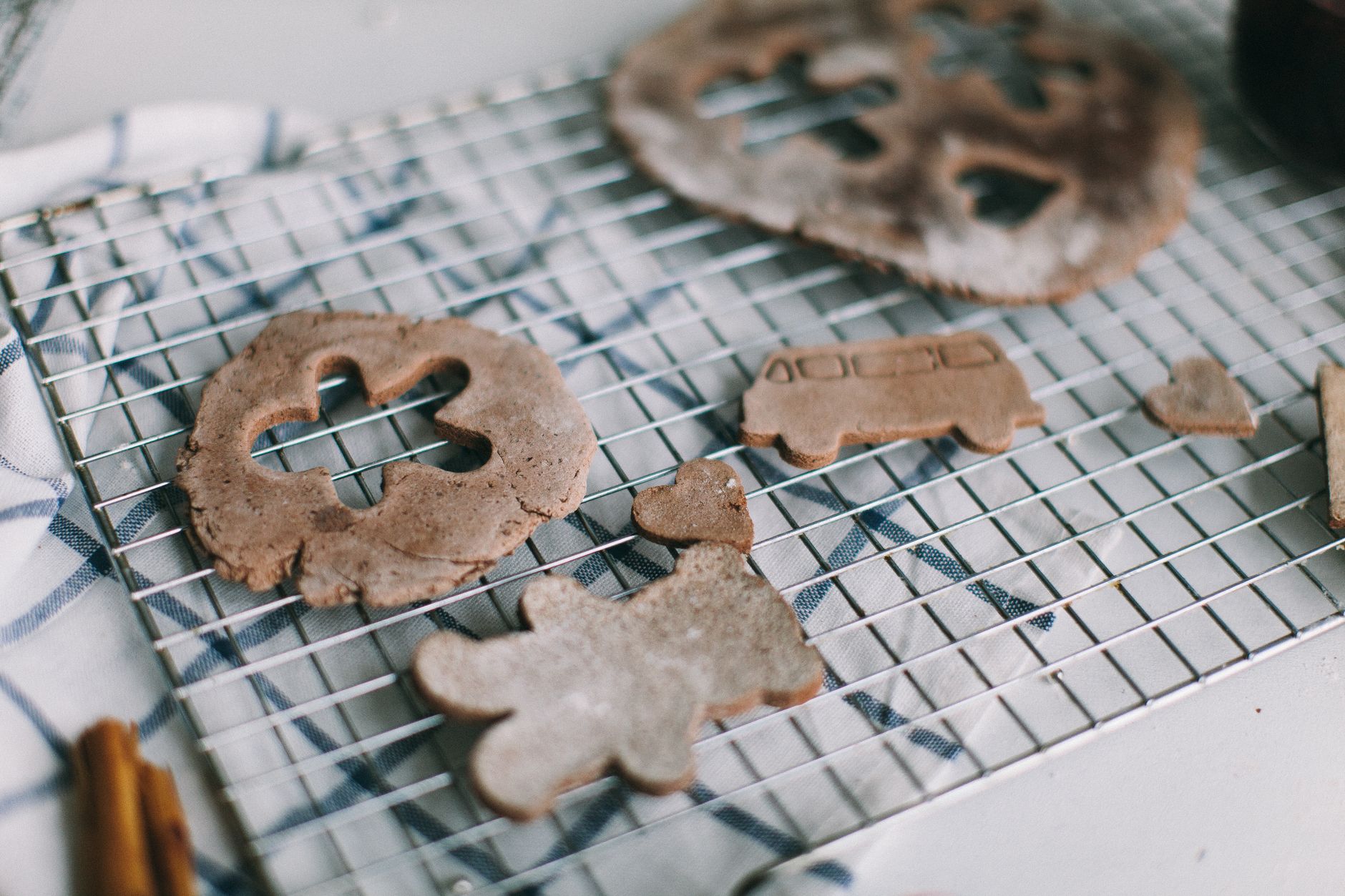
Baking biscuits is a delightful and straightforward process, resulting in fluffy, buttery snacks perfect for breakfast or as a side dish. Understanding how long to cook biscuits is crucial to achieving that desired golden-brown hue and soft texture that makes them so appealing.
In this guide, we’ll explore the cooking time and temperature for biscuits, factors that influence those times, and practical tips for getting the perfect bake every time. Whether you’re using a classic recipe or experimenting with variations, knowing these key aspects can help you master biscuit making.
How Long Do You Cook Biscuits?
Biscuits typically take about 12 to 15 minutes to bake at a temperature of 425°F (220°C). However, cooking time may vary depending on the recipe, the biscuit size, and your oven’s performance. Regularly checking for doneness is essential to ensure the biscuits are golden and cooked through.
Understanding Biscuit Baking Basics
To bake perfect biscuits, you should grasp the essential elements of biscuit baking, including ingredients, temperature, and timing. Each of these components plays a role in the final product’s taste and texture.
The Role of Ingredients
The primary ingredients in most biscuit recipes include flour, baking powder, butter, milk, and salt. Each ingredient serves a specific purpose:
- Flour: Provides structure to the biscuits. All-purpose flour is commonly used, though different types can yield varying textures.
- Baking Powder: Acts as a leavening agent, helping the biscuits rise and become fluffy.
- Butter: Adds flavor and moisture while contributing to the crumbly texture.
- Milk: Hydrates the dry ingredients and helps bind them together.
- Salt: Enhances flavor and balances the sweetness of any added sugars.
Oven Temperature
The recommended oven temperature for baking biscuits is generally around 425°F (220°C). This high heat ensures that the biscuits rise quickly and develop a golden-brown crust. If the oven temperature is too low, the biscuits may spread instead of rising, resulting in a denser texture.
Factors Influencing Baking Time
Several factors can affect how long it takes to bake biscuits, including:
- Biscuit Size: Larger biscuits will take longer to bake, while smaller ones will cook more quickly. When making drop biscuits, they may need an additional 1-2 minutes compared to rolled biscuits.
- Oven Performance: Individual ovens can have temperature variances. An oven thermometer can help ensure accurate temperatures and consistent results.
- Altitude: If you are baking at a higher altitude, adjustments in baking time and temperature may be necessary due to lower atmospheric pressure.
Step-by-Step Biscuit Baking Guide
Here’s a straightforward guide to making and baking biscuits, emphasizing the timing and method to achieve delicious results.
Ingredients Needed
- 2 cups all-purpose flour
- 1 tablespoon baking powder
- 1/2 teaspoon salt
- 1/4 cup unsalted butter, cold and cubed
- 3/4 cup milk
Essential Equipment
- Baking sheet
- Mixing bowls
- Whisk or fork for mixing
- Rolling pin (optional)
- Cutter or knife for shaping
Baking Process
- Preheat the Oven: Preheat your oven to 425°F (220°C). This step is crucial for ensuring the biscuits rise properly.
- Combine Dry Ingredients: In a mixing bowl, whisk together the flour, baking powder, and salt. This step ensures the leavening agent is evenly distributed.
- Add Butter: Mix in the cold, cubed butter until the mixture resembles coarse crumbs. You can use your fingertips or a pastry cutter for this. The cold butter helps create flaky layers.
- Add Milk: Pour in the milk and stir until just combined. Avoid overmixing, as this can lead to tough biscuits.
- Shape the Dough: Turn the dough out onto a floured surface. Pat it gently into a rectangle about 1-inch thick. Cut out biscuits using a cutter or knife.
- Prepare for Baking: Place the biscuits on a baking sheet lined with parchment paper or a silicone mat. Make sure they are spaced about an inch apart for even baking.
- Bake: Place the baking sheet in the preheated oven and bake for 12 to 15 minutes, or until the biscuits are golden brown and have risen.
- Cool if Desired: Allow the biscuits to cool on a wire rack if desired, or serve immediately.
Common Mistakes in Biscuit Baking
Baking biscuits is generally straightforward, but a few common pitfalls can lead to less-than-ideal results. Here are some issues to watch out for:
- Overmixing the Dough: Overworking the biscuit dough can result in tough biscuits. Mix only until just combined.
- Using Warm Ingredients: Ensure that the butter and milk are cold. Warm ingredients can lead to flat, dense biscuits.
- Insufficient Baking Time: Keep an eye on your biscuits towards the end of the baking time. If they’re underbaked, they won’t rise properly and may have a doughy center.
- Ignoring Oven Temperature: Be mindful of your oven’s actual temperature. Adjusting it can make a significant difference in the finished product.
Variations and Substitutions
Experimenting with biscuit recipes can lead to unique and delightful variations. Below are some common substitutions you may consider:
Flour Substitutions
- Whole Wheat Flour: Substitute half of the all-purpose flour with whole wheat flour for a nuttier flavor and slightly denser texture.
- Gluten-Free Flour: A gluten-free baking blend can be used in place of all-purpose flour for a gluten-free biscuit. Follow any package adjustments for liquid amounts.
Flavor Additions
- Cheddar Cheese: Add shredded cheese to the dough for savory cheddar biscuits. Around 1 cup should be a sufficient amount.
- Herbs and Spices: Mix in fresh herbs, such as rosemary or chives, or spices like garlic powder to add flavor.
Alternative Liquids
- Buttermilk: Replace regular milk with buttermilk for a tangy flavor and slightly richer texture. This may enhance the rise due to the acidity.
- Dairy Alternatives: Use almond, soy, or oat milk for those who need dairy-free options. Make sure they are unsweetened and unflavored.
Storing and Reheating Biscuits
If you have leftover biscuits or you want to prepare them ahead, proper storage is key to maintaining their quality.
Storage
Store cooked biscuits in an airtight container at room temperature for up to 2 days. For longer storage, consider freezing them.
Freezing
- Wrap cooled biscuits in plastic wrap.
- Place them in an airtight freezer bag or container.
- Label and date the packaging before placing it in the freezer.
Reheating
Reheat biscuits in the oven for the best texture. Wrap them in aluminum foil and place in a preheated oven at 350°F (175°C) for about 10 minutes. Alternatively, you can microwave them for 15-20 seconds but be aware they might not have the same crispness.
Serving Suggestions for Biscuits
Biscuits can be enjoyed in various ways, adding to their versatility as a dish.
- With Butter and Jam: Slice open freshly baked biscuits and slather with butter or your favorite jam.
- As a Side: Serve them alongside soups, stews, or salads for a hearty meal accompaniment.
- Using Biscuits in Dishes: Consider using them in casseroles or dishes like sausage gravy biscuits or biscuit-topped casseroles.
Conclusion
Cooking biscuits at the right temperature and duration leads to a delightful texture and flavor that enhances your meals. Remember, the standard cooking time is between 12 to 15 minutes at 425°F (220°C), adjusting based on biscuit size and oven performance.
Ready to get started? Try making homemade biscuits with your favorite ingredients for a comforting snack or meal addition. Explore our other recipes like butter swim biscuits or a savory cheddar bay biscuit recipe for more delicious options!