
Recovering from a C-section can be a whirlwind of emotions and physical changes for new mothers. Nourishment plays a crucial role in healing, energy replenishment, and overall wellness during this period. The right foods can support recovery, help combat fatigue, and promote lactation for breastfeeding mothers.
This guide will explore what to eat after a C-section to ensure a fast and effective recovery. From essential nutrients to practical meal suggestions, discover how to nurture your body with every bite.
What to Eat After C-Section for Fast Recovery?
After a C-section, focus on consuming a well-rounded diet rich in proteins, healthy fats, whole grains, fruits, and vegetables. These ingredients support healing, energy restoration, and necessary nutrients for breastfeeding. Hydration is also vital during this recovery phase.
Essential Nutrients for Recovery
After undergoing a C-section, your body requires a balanced intake of specific nutrients to heal effectively. Here’s a breakdown:
- Proteins: Essential for tissue repair and recovery. Good sources include lean meats, fish, eggs, dairy products, beans, nuts, and legumes.
- Healthy Fats: Support hormone production and are crucial for breastfeeding. Include avocados, olive oil, nuts, and fatty fish like salmon.
- Fiber: Keeps the digestive system moving and helps prevent constipation, which is common after surgery. Whole grains, fruits, and vegetables are excellent sources.
- Iron: Important for energy and to replenish blood loss during surgery. Red meat, spinach, lentils, and fortified cereals are rich in iron.
- Vitamin C: Supports skin healing and immune function. Citrus fruits, tomatoes, bell peppers, and broccoli are great options.
- Calcium: Vital for bone health, especially if breastfeeding. Dairy products, leafy greens, and fortified foods should be included.
- Hydration: Staying well-hydrated aids healing and is crucial for breastfeeding. Drink plenty of water and herbal teas.
Meal Ideas for Post-C-Section Recovery
Here’s a collection of meal ideas that incorporate the essential nutrients required for a smooth recovery. These meals are simple to prepare, nutritious, and delicious.
Breakfast Ideas
- Overnight Oats: Combine rolled oats with Greek yogurt, almond milk, chia seeds, and your choice of fruits (like berries or bananas). Let sit overnight in the refrigerator for a ready-to-eat breakfast.
- Scrambled Eggs with Spinach: Scramble eggs and toss in fresh spinach, topped with a sprinkle of cheese for added flavor and calcium. Serve with whole grain toast.
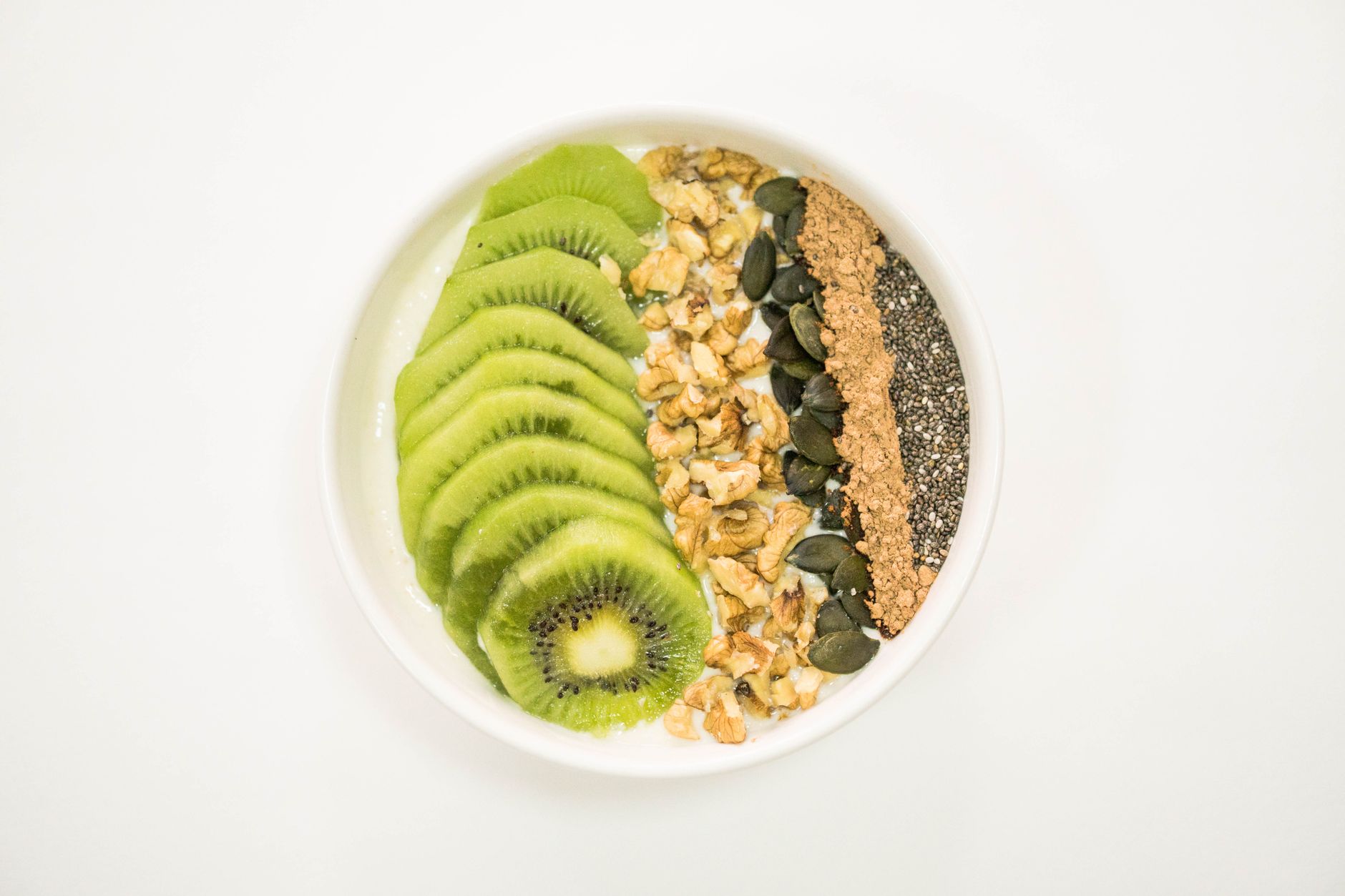
- Smoothie Bowl: Blend spinach, a banana, almond milk, and a scoop of protein powder. Top with sliced fruits, nuts, and seeds for a nutrient-packed breakfast.
Lunch Ideas
- Quinoa Salad: Mix cooked quinoa with chopped vegetables such as cucumbers, tomatoes, and bell peppers. Toss with olive oil and lemon for a refreshing meal, and consider adding grilled chicken or chickpeas for protein.
- Vegetable Soup: A warm bowl of vegetable soup filled with carrots, zucchini, and beans provides hydration and nourishment. Pair it with whole-grain bread.
- Turkey and Avocado Wrap: Use a whole grain wrap filled with sliced turkey, avocado, lettuce, and tomato. The healthy fats from avocado support your energy levels.
Dinner Ideas
- Baked Salmon with Broccoli: Season salmon fillets with lemon and herbs, then bake. Serve with steamed broccoli and quinoa for a well-rounded meal.
- Stuffed Bell Peppers: Fill bell peppers with a mix of brown rice, black beans, diced tomatoes, and spices. Bake until the peppers are soft and the filling is cooked through.
- Chicken Stir-Fry: Sauté chicken breast with a variety of colorful vegetables such as bell peppers, carrots, and snow peas. Serve over brown rice or whole grain noodles.
Snack Ideas
- Yogurt with Fruit: A great source of protein and probiotics, topped with fresh berries and a drizzle of honey makes for a delicious snack.
- Nuts and Seeds: A handful of mixed nuts or pumpkin seeds can provide healthy fats and protein, perfect for a quick snack.
- Hummus and Veggies: Hummus paired with carrot sticks, cucumber slices, or bell pepper strips offers a satisfying and nutritious snack option.
Hydration Tips
Staying hydrated is crucial during the recovery phase. Here are tips for effective hydration:
- Drink at least 8-10 glasses of water daily, adjusting according to your activity level and climate.
- Incorporate hydrating foods into your diet, such as cucumbers, watermelon, oranges, and soups.
- For breastfeeding mothers, consider herbal teas that are safe during lactation, such as chamomile or peppermint.
Meal Prep Tips for New Mothers
To ease the burden of cooking during recovery, meal prepping can be a game changer. Here’s how to plan effectively:
- Plan Ahead: Designate a day each week for meal planning and preparation. Write down meals and create a shopping list.
- Batch Cook: Prepare large portions of meals that can be easily frozen and reheated, such as soups, stews, or casseroles.
- Utilize the Slow Cooker: A slow cooker can be a lifesaver. Throw in ingredients in the morning and enjoy a hot dinner without the hassle.
- Keep Snacks Accessible: Pre-portion snacks into grab-and-go containers to make healthy snacking easier.
- Involve Family and Friends: Don’t hesitate to ask for help. Friends and family members may be willing to prepare meals or drop off healthy dishes.
Common Mistakes to Avoid
When planning meals after a C-section, avoid these common pitfalls:
- Skipping Meals: Eating regular meals helps maintain energy levels and supports recovery. Aim for three balanced meals and snacks in between.
- Overly Processed Foods: While convenient, processed foods may lack the necessary nutrients. Opt for whole foods whenever possible.
- Ignoring Portion Sizes: Maintaining appropriate portion sizes is vital, especially if you are not as physically active post-surgery.
DIY Easy Recipes for Recovery
Here are a couple of easy, nutritious recipes you can make that are perfect for post-C-section recovery:
1. Quinoa and Black Bean Salad
This hearty salad is packed with protein, fiber, and essential nutrients, making it an excellent choice for recovery.
- Ingredients:
- 1 cup quinoa
- 1 can black beans, drained and rinsed
- 1 bell pepper, chopped
- 1 cup corn (canned or frozen)
- 1/4 cup cilantro, chopped
- Juice of 1 lime
- Salt and pepper to taste
- Instructions:
- Cook quinoa according to package instructions.
- In a large bowl, combine cooked quinoa, black beans, bell pepper, corn, and cilantro.
- Add lime juice, salt, and pepper. Toss to combine and adjust seasoning if necessary.
2. Spinach and Cheese Stuffed Chicken Breast
This recipe is not only delicious but also supports protein intake for muscle repair.
- Ingredients:
- 4 boneless, skinless chicken breasts
- 1 cup fresh spinach
- 1/2 cup feta cheese, crumbled
- 2 cloves garlic, minced
- 1 tablespoon olive oil
- Salt and pepper to taste
- Instructions:
- Preheat oven to 375°F (190°C).
- In a skillet, heat olive oil over medium heat. Add garlic and spinach, sautéing until wilted.
- Remove from heat, mix in feta cheese, and set aside.
- Cut a pocket in each chicken breast, stuff with spinach mixture, and secure with toothpicks if necessary.
- Season chicken with salt and pepper, then bake for 25-30 minutes, or until the chicken is cooked through.
Final Thoughts on Post-C-Section Nutrition
Proper nutrition post-C-section is crucial for a healthy recovery. Focus on whole foods rich in essential nutrients, stay hydrated, and consider meal prepping to ease your transition into motherhood. Listening to your body and giving it the nourishment it needs will ultimately support your recovery journey.
Explore related recipes and tips to enhance your culinary experience, such as making chia pudding, or learn what to eat after vomiting for overall wellness. These resources can provide additional support as you navigate your new role.