
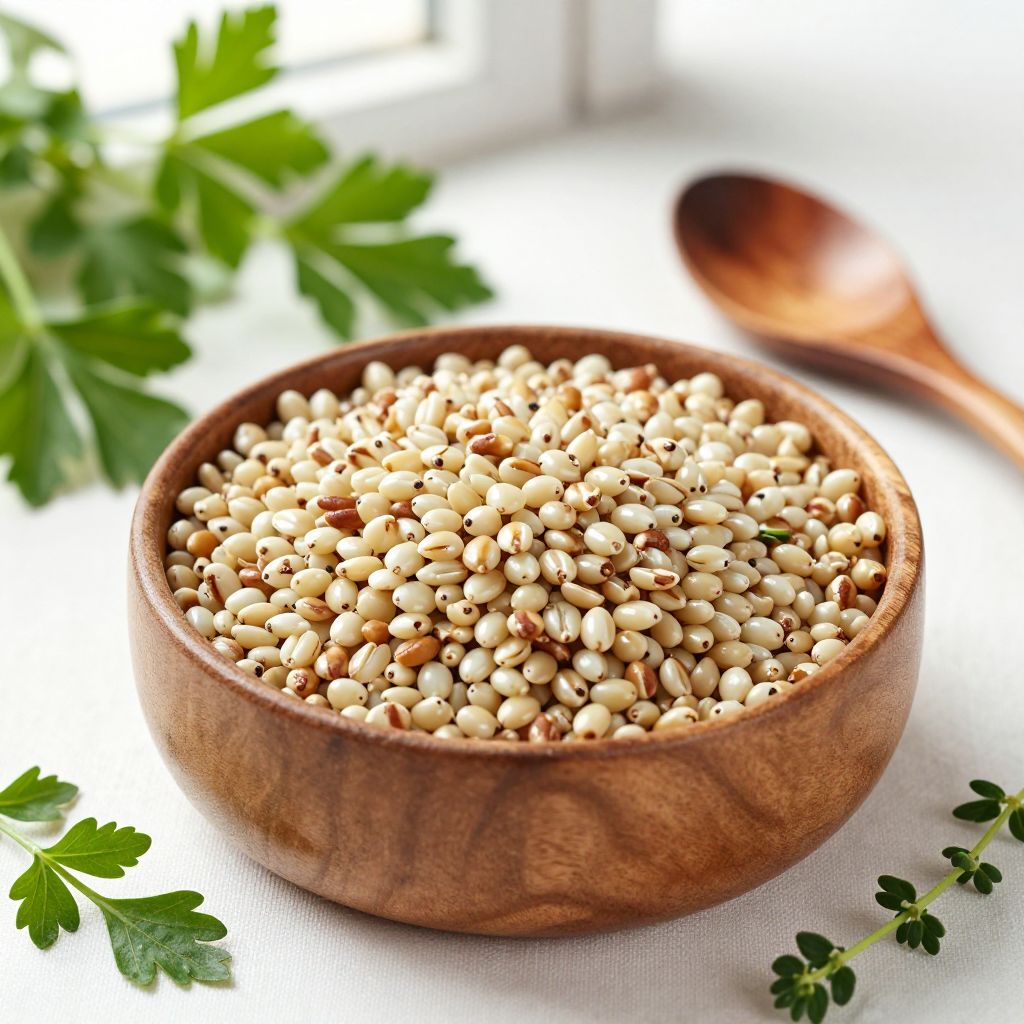
Pearled barley is often found in the pantry of those who appreciate healthy grains and wholesome meals. However, a common question arises: Is pearled barley considered a whole grain? Understanding this can influence not only dietary choices but also how you use this versatile ingredient in your cooking.
In this article, we will explore the classification of pearled barley, its uses in the kitchen, and how it compares to its whole grain counterpart. From cooking techniques to recipes, you’ll find practical information to incorporate this ingredient into your meals.
Is Pearled Barley a Whole Grain?
Pearled barley is not considered a whole grain. During processing, the outer husk and bran layer are removed, which diminishes its fiber content and nutritional value. While it retains some beneficial nutrients, it does not provide the same health benefits as whole grain barley.
Whole grain barley, on the other hand, includes all parts of the grain: the bran, germ, and endosperm. This means it has higher levels of fiber, vitamins, and minerals, making it a healthier option overall. Now that we’ve clarified the classification, let’s dive deeper into pearled barley’s culinary uses, nutritional profile, and how it fit into various diets.
Understanding Barley: Types and Benefits
Barley is an ancient grain known for its nutty flavor and chewy texture. There are several types of barley available, including:
- Whole Barley: Also known as hulled barley, it undergoes minimal processing and retains the bran layer. It’s highly nutritious but takes longer to cook.
- Pearled Barley: This type is polished to remove the bran, making it quicker to prepare but also less nutrient-dense.
- Pot Barley: A lesser-known type that is partially processed but still retains more nutrients than pearled barley.
Despite pearled barley lacking the complete nutritional profile of whole barley, it still offers health benefits:
- Good source of protein
- Contains B vitamins
- Provides some minerals like selenium, phosphorus, and magnesium
- Lower calorie count compared to other grains
Cooking with Pearled Barley
Pearled barley is favored in many culinary traditions for its versatility and ease of use. Here are various ways to incorporate pearled barley into your meals:
1. Cooking Techniques
Cooking pearled barley is relatively straightforward. Follow these methods to achieve perfect results:
Stovetop Cooking
- Rinse: Rinse 1 cup of pearled barley under cold water to remove excess starch and dust.
- Boil: In a saucepan, add 3 cups of water or broth for added flavor. Bring to a boil.
- Add Barley: Stir in the rinsed barley and return to a boil.
- Simmer: Reduce heat to low, cover the saucepan, and let simmer for about 30-40 minutes.
- Check for Doneness: Barley should be tender but still chewy. Drain excess liquid if necessary.
Pressure Cooker
An electric pressure cooker can significantly reduce cooking time:
- Add 1 cup of rinsed pearled barley and 2.5 cups of water or broth to the pressure cooker.
- Seal the lid and set the cooker to high pressure for 20 minutes.
- Allow natural pressure release for about 10 minutes, then manually release any remaining pressure.
- Fluff with a fork and serve.
Slow Cooker
If you want a set-it-and-forget-it method, try the slow cooker:
- Combine 1 cup of rinsed pearled barley with 4 cups of water or broth in the slow cooker.
- Set on low for 6-8 hours or on high for 3-4 hours.
- Check for doneness; add more liquid if necessary.
2. Serving Suggestions
Pearled barley is incredibly versatile and complements a variety of dishes:
- Salads: Add cooked pearled barley to salads for a hearty component. It works well in Mediterranean grain salads with cucumbers, tomatoes, and herbs.
- Soups: Pearled barley can be a fantastic addition to soups and stews, adding texture and substance.
- Grain Bowls: Create nourishing grain bowls with cooked barley, roasted vegetables, and a protein source such as chicken, tofu, or chickpeas.
- Stuffed Vegetables: Use pearled barley as a stuffing for peppers, tomatoes, or zucchini, mixed with herbs and spices.
Pearled Barley in Recipes
Incorporating pearled barley into your meals offers endless possibilities. Here are some recipes to inspire you:
1. Barley Vegetable Soup
This hearty soup is perfect for a chilly day and is packed with nutrients.
Yield: 6 servings
Preparation Time: 15 minutes
Cooking Time: 40 minutes
Total Time: 55 minutes
Ingredients:
- 1 cup pearled barley, rinsed
- 1 tablespoon olive oil
- 1 medium onion, chopped
- 2 carrots, diced
- 2 celery stalks, diced
- 3 cloves garlic, minced
- 6 cups vegetable broth
- 1 can (14.5 oz) diced tomatoes, undrained
- 2 cups kale, chopped
- Salt and pepper to taste
- Fresh parsley for garnish (optional)
Method:
- Heat olive oil in a large pot over medium heat. Sauté onions, carrots, and celery for 5-7 minutes until softened.
- Add minced garlic and cook for another minute until fragrant.
- Stir in the rinsed pearled barley, vegetable broth, and diced tomatoes. Bring to a boil.
- Reduce heat and let simmer for about 30 minutes or until barley is tender.
- In the last 5 minutes of cooking, add chopped kale. Season with salt and pepper to taste.
- Garnish with fresh parsley before serving.
2. Barley Salad with Chickpeas and Feta
This salad packs a protein punch, and the lemon vinaigrette adds a refreshing touch.
Yield: 4 servings
Preparation Time: 10 minutes
Cooking Time: 30 minutes
Total Time: 40 minutes
Ingredients:
- 1 cup pearled barley, rinsed
- 3 cups water or broth
- 1 can (15 oz) chickpeas, drained and rinsed
- 1 cup cherry tomatoes, halved
- 1 cucumber, diced
- 1/2 cup feta cheese, crumbled
- 1/4 cup olive oil
- 2 tablespoons lemon juice
- Salt and pepper to taste
Method:
- Cook the rinsed barley using the stovetop method described earlier (for a total of 30-40 minutes).
- In a large bowl, combine the cooked barley, chickpeas, cherry tomatoes, cucumber, and feta cheese.
- In a separate small bowl, whisk together olive oil and lemon juice. Season with salt and pepper to taste.
- Pour the vinaigrette over the salad and mix well.
- Serve immediately or refrigerate for an hour for flavors to meld.
Storage Tips for Pearled Barley
Proper storage of pearled barley can extend its shelf life:
- Uncooked Barley: Store it in an airtight container in a cool, dark, and dry place such as a pantry. It can typically last for several months up to a year.
- Cooked Barley: Refrigerate cooked pearled barley in an airtight container for 4-6 days. It can also be frozen for up to three months.
Substituting Pearled Barley in Recipes
If you find yourself without pearled barley, consider these substitutions:
- Quinoa: A gluten-free option with similar cooking times, ideal for salads and bowls.
- Brown Rice: Offers a similar texture, though it may require longer cooking time.
- Bulgur: A quick-cooking grain that’s perfect for salads and pilafs.
- Farro: Slightly chewy with a nutty flavor; can enhance soups and salads.
Common Mistakes and Troubleshooting
While preparing pearled barley, keep an eye out for these pitfalls:
- Overcooking: Pearled barley should be tender but not mushy; avoid cooking it too long.
- Insufficient Water: Ensure enough liquid during cooking to prevent burning or sticking to the pot.
- Skipping Rinsing: Always rinse barley to remove excess starch, which can lead to a gummy texture.
Dietary Considerations
Pearled barley is not gluten-free and should be avoided by individuals with celiac disease or gluten sensitivities. It’s advisable to examine all ingredients and recipes for any allergens, especially if you are cooking for others with dietary restrictions.
Incorporating Pearled Barley into Meal Planning
Pearled barley can play a significant role in your meal planning for the week. Here are some tips to effectively integrate it:
1. Batch Cooking
Consider cooking a larger amount of pearled barley at the beginning of the week. This can then be portioned into meals throughout the week, saving time on busy days.
2. Combining with Other Grains
Mix pearled barley with other grains like quinoa, brown rice, or farro for a hearty grain blend in salads or bowls.
3. Versatile Dinners
Use cooked pearled barley as a base for grilled meats, vegetables, or legumes, allowing for flexible and nutritious dinners that can adapt to whatever ingredients you have available.
4. Meal Prep Ideas
Consider pairing pearled barley with a protein (like chicken or chickpeas), veggies, and a simple dressing or sauce. Assemble in containers for easy grab-and-go meals.
By understanding cooking methods, nutritional benefits, and versatile uses for pearled barley, you can make the most of this ingredient. Whether you decide to include it in soups, salads, or as a side dish, pearled barley is a tasty addition to your kitchen repertoire.
To explore more about cooking techniques or recipes, check out other guides on whole grains and healthy meal planning. By integrating various grains into your diet, you can create delicious and balanced meals every day.