
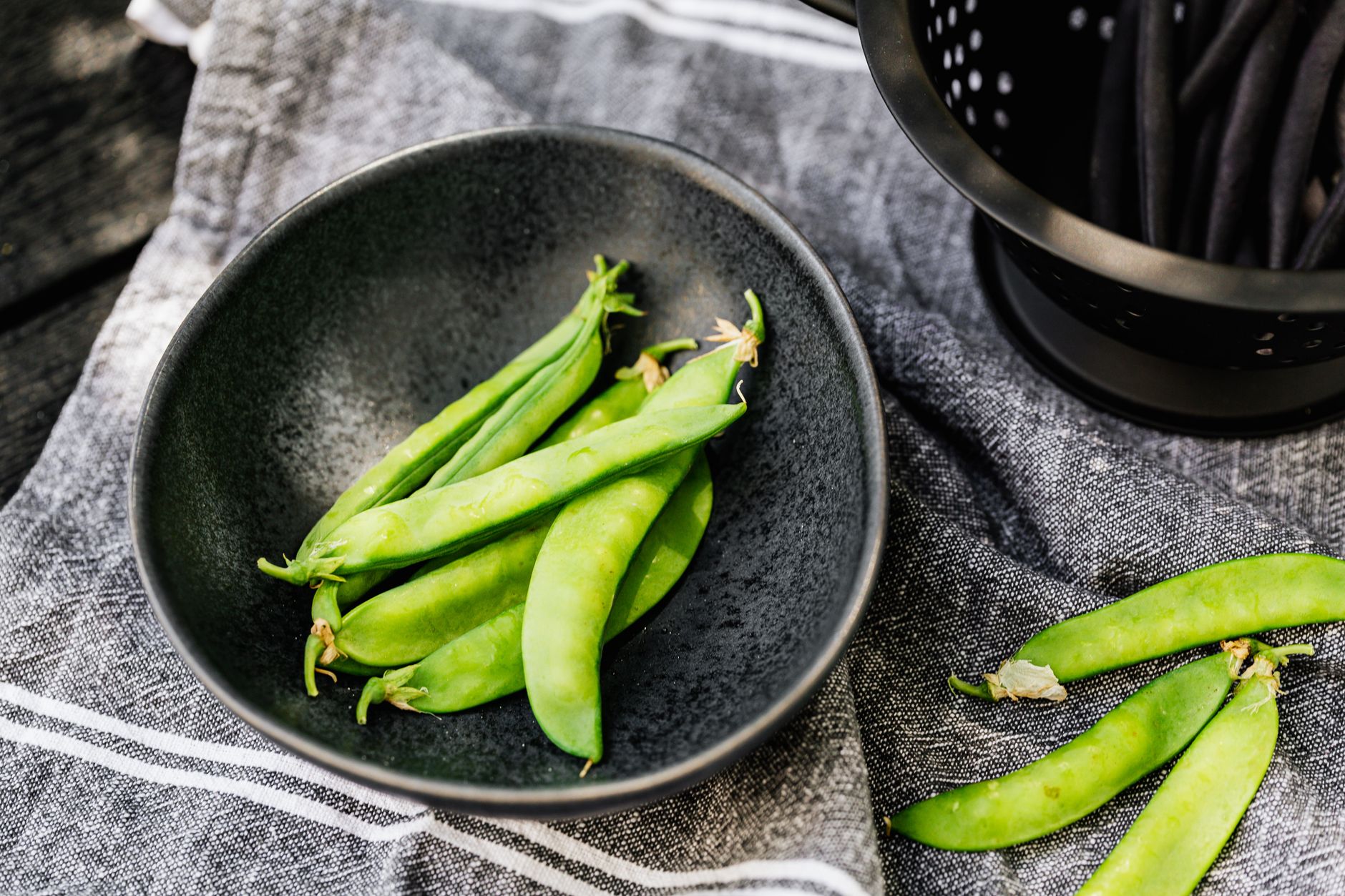
Field peas are a versatile and nutritious legume that have gained popularity among food enthusiasts for their distinct flavor and numerous culinary uses. They are not only tasty but also packed with protein and dietary fiber, making them an excellent addition to various dishes. In this article, we will delve into what field peas are, their flavor profile, nutritional benefits, cooking techniques, and creative ways to serve them.
Whether you are looking to incorporate field peas into your diet or want to explore new recipes, understanding this legume can make all the difference in your kitchen. Let’s uncover all there is to know about field peas!
What Are Field Peas?
Field peas, also known as split peas, are a type of legume that belong to the Pisum sativum species. Unlike their garden pea relatives, which are consumed whole, field peas are primarily grown for drying and can be found in both green and yellow varieties. These small, round legumes are packed with flavor and nutrients, making them a staple in many cultures around the world.
Field peas have a mild, slightly sweet flavor and a starchy texture that makes them incredibly adaptable in various dishes. They are often used in soups, stews, and side dishes, providing both substance and depth to meals.
Flavor and Texture of Field Peas
The flavor of field peas can vary slightly between the green and yellow varieties. Green field peas tend to have a fresh, grassy taste, while yellow field peas have a nuttier, earthier profile. When cooked, field peas have a creamy texture that absorbs flavors well, making them an excellent ingredient for hearty meals.
Both varieties work well in savory dishes, and their subtle sweetness can also complement certain desserts and snacks. The ability of field peas to take on various flavors allows them to shine in recipes ranging from traditional soups to modern salads.
Nutritional Benefits of Field Peas
Field peas are not only delicious but also incredibly nutritious. They are an excellent source of protein, making them ideal for vegetarians and vegans looking for plant-based protein options. A 1-cup serving of cooked field peas contains approximately:
- Approximately 115 calories
- 8 grams of protein
- 0.5 grams of fat
- 20 grams of carbohydrates
- 8 grams of dietary fiber
- High levels of vitamins A, C, and K
- Rich in iron and potassium
This impressive nutritional profile means field peas can contribute to a balanced diet and help in maintaining a healthy digestive system, lowering cholesterol levels, and regulating blood sugar levels.
How to Cook Field Peas
Cooking field peas is quite straightforward, whether you choose to simmer, steam, or blend them into a puree. Here’s a quick guide on how to prepare field peas:
Preparation Steps
- Rinse: Start by rinsing the field peas under cold water to remove any debris or dust.
- Soak (optional): While field peas can be cooked without soaking, soaking them for a few hours can reduce cooking time. For best results, soak in water for 2 to 4 hours before cooking.
- Cook: Place the soaked or unsoaked peas in a pot and cover with water. Use about 3 cups of water for every cup of peas. Bring to a boil over medium-high heat.
- Simmer: Reduce the heat to low and let the peas simmer for 30 to 50 minutes, or until they are tender. Stir occasionally and check for doneness.
- Drain: Once cooked, drain any excess water and season with salt, pepper, or your favorite herbs and spices.
Cooking times may vary depending on the freshness of the peas and whether they were soaked. A visual cue for doneness is when the peas are tender but still hold their shape.
Serving Suggestions for Field Peas
Field peas can be incorporated into various dishes, adding flavor and nutrition. Here are some creative serving suggestions:
1. Soups and Stews
Field peas are commonly used in soups and stews. They can be pureed into a smooth base or left whole for added texture. Combine them with vegetables like carrots, potatoes, and onions in a hearty vegetable soup, or use them as a base for a comforting split pea soup with ham or bacon.
2. Salads
For a fresh and nutritious salad, toss cooked and cooled field peas with mixed greens, cherry tomatoes, cucumbers, and a tangy vinaigrette. You can also add cheese, nuts, or seeds for extra flavor and crunch.
3. Side Dishes
Field peas can be seasoned and served as a simple side dish. Sauté them with garlic and olive oil, or mix them with herbs like parsley or dill for a refreshing accompaniment to poultry or fish.
4. Purees and Dips
Field peas can also be blended into a smooth puree that can serve as a side or a dip. Combine cooked field peas with olive oil, lemon juice, garlic, and spices for a delicious spread perfect for crackers or fresh vegetables.
5. Baked Dishes
Incorporate field peas into baked dishes such as casseroles or savory pies, combined with other vegetables, proteins, or grains. This adds protein and fiber, enriching the meal without extra calories.
Common Mistakes When Cooking Field Peas
While cooking field peas is relatively simple, a few common mistakes can affect the final dish:
- Overcooking: Field peas can become mushy if overcooked. Keep a close eye on them as they cook and taste periodically to monitor their texture.
- Not seasoning: Field peas can be bland on their own, so be generous with seasoning during cooking and when serving.
- Skipping the rinse: Always rinse dry field peas before cooking to remove any dirt, debris, or impurities.
Storing and Reheating Field Peas
Proper storage of cooked and dry field peas ensures maximum freshness. Here’s how to store them:
Storage of Cooked Field Peas
- Refrigerate in an airtight container for up to 4 days.
- Freeze in portion sizes for longer storage, ideally consuming within 6 months for best quality.
Reheating Cooked Field Peas
To reheat, place the desired amount of cooked field peas in a microwave-safe dish, cover with a lid or moist paper towel, and heat on medium power until warm, stirring halfway through. Alternatively, heat them in a saucepan over low heat with a splash of vegetable broth or water to keep them moist.
Substitutes for Field Peas
If you find yourself without field peas, there are several alternatives you can use, keeping in mind that substitutions may alter the final flavor and texture:
- Green or Yellow Split Peas: These are closely related legumes and can often be used interchangeably in soups and stews.
- Lentils: Both green and brown lentils can work in place of field peas, but they cook faster, so adjust cooking times accordingly.
- Chickpeas: Cooked chickpeas can provide a heartier texture, though they will impart a different flavor profile.
Culinary Cultures and Popular Uses of Field Peas
Field peas have been utilized across various cultures worldwide. In the Southern United States, for instance, they are often featured in traditional dishes like Hoppin’ John, a rice and pea dish typically served on New Year’s Day. In Mediterranean cuisine, field peas are incorporated into stews and salad dishes, showcasing their adaptability.
In India, split peas are a staple in various dal recipes, offering both nutrition and flavor. This global culinary usage highlights field peas’ versatility and compatibility with different spices, herbs, and cooking methods.
Final Thoughts on Field Peas
Field peas are a nutritious and versatile ingredient that can enhance many meals. Their subtle flavor and creamy texture make them adaptable to soups, salads, side dishes, and more. Whether you’re looking to boost your plant-based protein intake or experiment with new recipes, field peas are a fantastic option.
Consider incorporating field peas into your next meal for both nutrition and culinary creativity. Explore a variety of recipes and cooking techniques, and enjoy the rich flavor and health benefits they offer.
For more delicious dishes, check out our Pasta and Peas recipe or learn how to make a flavorful Creamed Peas recipe. Happy cooking!